


Unlocking Steady Power: A Deep Dive into Wind Energy Storage Systems
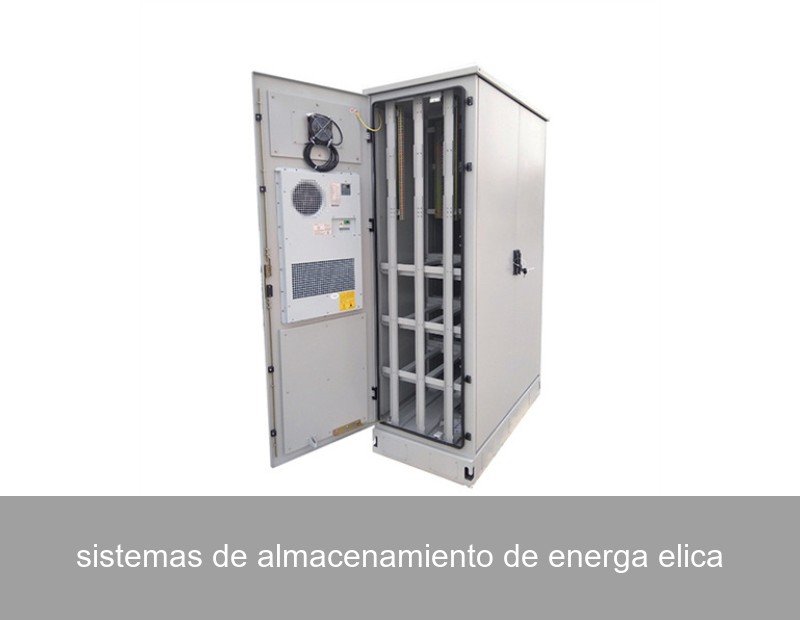
Imagine a blustery night. Wind turbines are spinning at full capacity, generating vast amounts of clean electricity. Yet, a few hours later, the wind dies down just as morning demand peaks. This fundamental mismatch between generation and consumption is the central challenge of modern wind power. The solution? Sophisticated sistemas de almacenamiento de energía eólica (wind energy storage systems). These systems are the indispensable partner to wind farms, transforming wind from an intermittent resource into a reliable, dispatchable pillar of our clean energy grid. For over 18 years, Highjoule has been at the forefront of this transformation, engineering advanced battery energy storage systems (BESS) that make renewable energy predictable and powerful.
The Challenge: Why Wind Needs a Best Friend
The phenomenon is well-known to grid operators and energy traders. Wind is a fantastic resource, but it's not always on-demand. This variability can lead to several issues:
- Grid Instability: Rapid drops in wind generation can cause frequency fluctuations, threatening grid reliability.
- Economic Waste: Excess wind energy generated during low-demand periods is often "curtailed" or wasted because there's nowhere to put it.
- Missed Opportunities: Energy prices are highest during peak demand, often when the wind isn't blowing.
Here’s where the data paints a clear picture. According to the International Renewable Energy Agency (IRENA), the global weighted-average levelized cost of electricity (LCOE) for onshore wind fell by 60% between 2010 and 2022. However, its value is diminished without the ability to deliver power when needed. Storage is the key to capturing that full value.

Image Source: Unsplash - A visual representation of wind turbines paired with on-site battery storage.
How Do Wind Energy Storage Systems Work? A Seamless Partnership
Think of a wind energy storage system as a high-tech reservoir. Instead of water, it stores electrons. The process follows a logical, automated ladder:
- Capture & Convert: Wind turbines generate alternating current (AC) electricity, which is converted to direct current (DC) for efficient battery storage.
- Intelligent Charging: A sophisticated energy management system (EMS) decides when to store energy. Is the grid saturated? Is wind production high? It commands the batteries to charge.
- Secure Storage: The energy is held in a bank of battery cells, typically lithium-ion for its high efficiency and energy density, ready for dispatch.
- Strategic Discharge: When demand rises, prices peak, or wind slows, the EMS discharges the stored energy back to the grid as high-quality AC power.
This creates a harmonious synergy, smoothing out the wind's natural "ramps" and providing grid services like frequency regulation.
Key Technologies Powering the Partnership
The effectiveness of a sistema de almacenamiento de energía eólica hinges on its core components:
| Component | Primary Role | Highjoule's Approach |
|---|---|---|
| Battery Cells & Packs | The core energy storage medium. | We utilize top-tier, safety-certified Li-ion NMC or LFP chemistry, optimized for long cycle life and thermal stability. |
| Power Conversion System (PCS) | The "translator" between AC and DC power. | Our bi-directional inverters feature >98.5% efficiency, ensuring minimal energy loss during charge/discharge cycles. |
| Energy Management System (EMS) | The "brain" that controls operations. | Highjoule's proprietary AI-driven EMS uses weather forecasting and market price signals to optimize revenue and grid support autonomously. |
| Thermal Management | Maintains optimal battery temperature. | Our systems feature liquid cooling for precise temperature control, extending battery life and ensuring performance in diverse climates from Texas to Norway. |
From Theory to Turbines: A Real-World Case Study
Let's move beyond theory to a compelling example in the United States. A mid-sized wind farm in West Texas was experiencing significant curtailment—sometimes losing up to 20% of its potential annual generation due to grid congestion during windy nights. This was a direct hit to their project economics.
The Solution & Results: The developer partnered with Highjoule to integrate a 50 MW / 200 MWh battery storage system co-located at the substation. Here’s what changed:
- Curtailment Recovery: The BESS captured nearly all previously curtailed energy, storing it for later use.
- Revenue Stacking: The system didn't just save lost energy. Highjoule's EMS enabled it to participate in ERCOT's ancillary services market, providing frequency regulation for additional revenue streams.
- Quantifiable Outcome: Within the first year of operation, the hybrid project increased its annual revenue by an estimated 34%, while providing crucial inertia and fast-frequency response to stabilize the local grid. This case exemplifies how storage transforms a wind farm from a variable generator into a reliable grid asset.

Image Source: Unsplash - Representative image of energy storage system monitoring and control.
Highjoule's Intelligent Solutions for Wind Storage
At Highjoule, we don't just provide batteries; we deliver integrated, intelligent energy platforms tailored for renewable pairing. Our HiveMind EMS is specifically designed for the nuances of sistemas de almacenamiento de energía eólica. It integrates real-time wind forecasting from services like NREL, allowing the system to anticipate generation drops and prepare to discharge seamlessly.
Our product lines, such as the GridSynergy commercial & industrial series and the UtilityMax platform for large-scale applications, are engineered with this use case in mind. They feature:
- DC-Coupled Architecture: For new hybrid projects, this allows wind power to charge batteries directly, reducing conversion losses and hardware costs.
- Grid-Forming Inverter Technology: A cutting-edge feature that allows our systems to "black start" or help stabilize the grid independently, a critical capability as we move toward renewables-heavy grids.
- Full Service from Design to EOL: Highjoule supports projects globally with comprehensive services, including feasibility studies, system design, installation, and long-term performance monitoring and optimization.
The Future of Wind and Storage
The trend is unmistakable. Major markets in Europe and the U.S. are seeing a surge in "hybrid" or "co-located" renewable projects. The U.S. Department of Energy notes that the pipeline of hybrid plants (solar+storage, wind+storage) is growing rapidly. The future grid will be built on these synergistic partnerships.
The next frontier involves even smarter, more integrated systems. How will artificial intelligence further optimize the charge/discycle cycles? Can sistemas de almacenamiento de energía eólica evolve to provide not just hours, but days of backup, enabling true fossil-free grids? The journey is just accelerating.
Is your wind energy project or portfolio ready to maximize its potential and become a predictable, revenue-optimizing asset for the future grid? What specific challenge—curtailment, grid stability, or market participation—is most pressing for your operations?
 Inquiry
 Online Chat