


Weatherproof Outdoor Cabinets: The Unsung Heroes of Reliable Energy Storage
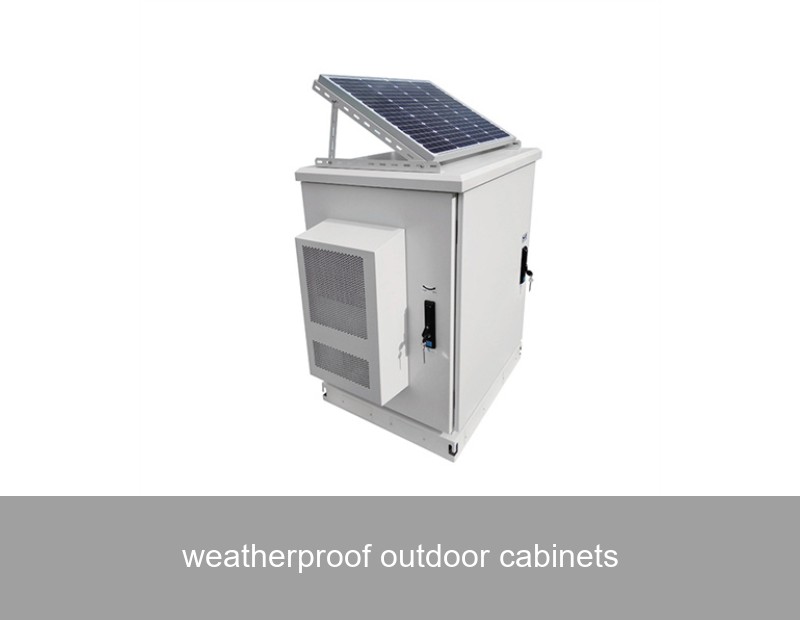
Imagine a critical battery storage system powering a remote telecom tower. It's not the dead of winter or the peak of summer that causes a failure. It's a persistent, damp spring that allows moisture to seep into unprotected electronics, leading to corrosion and a costly, unplanned shutdown. This scenario, repeated across industries, underscores why the humble weatherproof outdoor cabinet is a cornerstone of any resilient energy infrastructure. For system integrators, project developers, and facility managers, selecting the right enclosure isn't just about housing equipment—it's about guaranteeing performance, safety, and return on investment, rain or shine. At Highjoule, with nearly two decades of experience powering projects globally, we've seen firsthand how the right outdoor protection transforms project viability.
Table of Contents
The Challenge: More Than Just a Box
Outdoor environments are unforgiving. An enclosure must be a fortress against a complex array of threats simultaneously. It's a common misconception that "waterproof" is enough. True weatherproofing is a multi-dimensional challenge.
- Precipitation & Humidity: Driving rain, snow, ice, and constant high humidity can lead to internal condensation, which is often more damaging than direct water ingress.
- Thermal Extremes: Internal electronics generate heat. Combine that with desert sun or arctic cold, and temperatures can swing beyond safe operating limits, drastically reducing battery life and component reliability.
- Corrosive Agents: Coastal salt spray, industrial pollution, or road dust accelerate corrosion and can degrade seals and materials.
- Physical Intrusion: Protection from dust (rated by IP Code) and deliberate tampering or vandalism is crucial for security and safety.
A failure in any of these areas doesn't just mean a repair bill. It can mean loss of critical power, data, or communication services, revenue loss, and compromised safety systems. According to a DNV report on energy storage, environmental stress is a leading contributor to long-term performance degradation in outdoor installations.
Key Features of a Truly Weatherproof Outdoor Cabinet
So, what separates a premium weatherproof outdoor cabinet from a basic metal box? Look for these non-negotiable engineering features:
| Feature | Purpose | What to Look For |
|---|---|---|
| Ingress Protection (IP) Rating | Defines protection against solids and liquids. | IP55 minimum for general outdoor use. IP65 is the industry standard for full dust-tight and protection against powerful water jets, ideal for harsh environments. |
| Robust Thermal Management | Maintains internal temperature within safe limits for batteries and electronics. | Passive ventilation with filters, active fan systems, or integrated air conditioning/heating units for extreme climates. The system must manage both internal heat gain and external ambient swings. |
| Corrosion-Resistant Construction | Ensures long-term structural integrity and appearance. | Hot-dip galvanized steel, aluminum alloy, or stainless-steel frames. Powder-coated finishes with high UV resistance (e.g., RAL 7035) are essential. |
| Sealing & Gaskets | Prevents water and dust ingress at doors and panel seams. | High-quality EPDM or silicone gaskets, continuous on door frames, and compression latch systems that ensure even seal pressure. |

Image Source: Unsplash (Representative image of industrial cabinet sealing)
Beyond Protection: The Smart Cabinet Evolution
Today's advanced energy storage systems demand more than passive protection. The modern weatherproof outdoor cabinet is an intelligent node. At Highjoule, our H-Series Outdoor Enclosures are designed with this philosophy. They integrate:
- Condition Monitoring: Built-in sensors for internal temperature, humidity, and door-open status, providing real-time data to the central Battery Management System (BMS).
- Proactive Climate Control: Thermostatically controlled fans and heaters that activate based on internal conditions, not just a simple timer, optimizing energy use.
- Modular & Service-Friendly Design: Easy access to components, standardized mounting, and cable entry systems that maintain the IP rating, reducing maintenance time and cost.
This intelligent layer transforms the cabinet from a "dumb" container into a system that actively preserves the health and maximizes the lifespan of the valuable assets inside—be it lithium-ion batteries, power conversion systems, or control hardware.
Case Study: A Nordic Test of Resilience
Let's look at a real-world application. A municipal utility in Northern Sweden sought to deploy a 500 kWh battery energy storage system (BESS) for grid frequency regulation and backup power at a remote substation. The challenges were extreme: temperatures from -35°C to +25°C, heavy snow loads, and months of pervasive dampness.
The Problem: Standard outdoor enclosures risked excessive internal condensation during rapid spring thaws, threatening battery safety and electronics. Heating units had to be incredibly efficient to avoid draining the very battery they were protecting.
The Solution & Data: The project utilized Highjoule's H-Series Arctic-Grade Cabinets. Key features included:
- IP66 rating with double-sealed doors and anti-condensation thermal breaks.
- An integrated, low-power HVAC system with a dehumidification cycle, managed by the cabinet's own controller.
- Snow-load rated roof (≥ 1500 Pa) and corrosion-resistant stainless-steel hardware.
The Result: Over two full years of operation, the system has maintained >99.5% availability. Internal humidity levels have never exceeded 60% RH, well within the safe zone for battery operation. The smart climate control reduced auxiliary energy consumption by an estimated 40% compared to a standard constant-heater approach, as verified by the utility's own IEC-standard performance monitoring. The cabinets have withstood multiple severe winter storms without issue, proving that correct environmental design is non-negotiable for critical infrastructure.

Image Source: Unsplash (Representative image of energy storage in cold climate)
The Highjoule Approach: Engineering for Real-World Extremes
Founded in 2005, Highjoule's expertise is built on deploying storage solutions across diverse climates—from the deserts of Arizona to the humid coastlines of Florida and the alpine regions of Europe. Our product philosophy is that an outdoor cabinet is a critical system component, not an accessory. Our H-Series Outdoor Enclosures are pre-engineered to house our modular battery racks and power conversion systems seamlessly, but are also versatile for third-party equipment.
We go beyond catalog specs by offering:
- Climate-Specific Configurations: Pre-validated packages for desert (extreme heat & dust), coastal (salt mist corrosion), and arctic (extreme cold & ice) profiles.
- Factory-Integrated Options: The option to have our BMS, cooling, and fire suppression systems pre-installed and tested at our facility, drastically reducing on-site commissioning time and risk.
- Full Lifecycle Support: From initial site assessment that considers local environmental data to long-term service and seal/gasket replacement programs.
This holistic approach ensures that when you specify a Highjoule weatherproof outdoor cabinet, you're getting a subsystem engineered for 20+ years of reliable service, protecting your core energy investment.
Your Guide to Selecting the Right Outdoor Cabinet
Making the right choice involves asking the right questions. Here’s a quick guide:
- Define Your Environment: What are the min/max temperatures? Average humidity? Is it coastal, industrial, or urban? What are the snow/wind load requirements? Consult historical weather data or a standard like ISO 9223 for corrosivity categorization.
- List Internal Heat Loads: Calculate the total heat generated by batteries, inverters, and other equipment at peak operation. This dictates your thermal management needs.
- Prioritize Access & Service: How often will technicians need access? Consider door swing, internal space, and removable panels.
- Demand Certified Ratings: Insist on official IP and IK (impact resistance) test certificates, not just marketing claims.
- Think Long-Term: Consider total cost of ownership. A slightly higher upfront investment in a superior, intelligent cabinet can prevent tens of thousands in downtime, repair, and premature battery replacement.
As energy storage moves to the grid edge, the demands on its physical housing will only grow. The question is no longer just *if* an enclosure is weatherproof, but *how intelligently* it maintains the perfect micro-climate for the heart of your power system. What environmental variable in your next project keeps you up at night, and how can your choice of enclosure turn that from a risk into a point of resilience?
 Inquiry
 Online Chat