


How to Efficiently Store Electricity from Solar Panels and Unlock Energy Independence

You've made a smart investment in solar panels. They're gleaming on your roof, silently converting sunlight into clean electricity and slashing your energy bills. But have you ever wondered what happens when the sun goes down, or on those cloudy days? The truth is, without a way to store electricity from solar panels, a significant portion of the energy you produce goes back to the grid, leaving you reliant on it when you need power most. This is the modern energy puzzle: generating clean power is one thing, but having it available on demand is another. Let's explore how solving this puzzle can transform your relationship with energy.
Table of Contents
The Solar Dilemma: Generation vs. Consumption
Here's a common phenomenon for solar panel owners: your system hits peak production in the middle of the day when you're likely at work or your home's energy use is lowest. Conversely, energy demand spikes in the evening when you're home—cooking, heating, and using electronics—precisely when solar production drops to zero. This mismatch is a fundamental challenge.
Data from the U.S. Department of Energy highlights that in many residential settings, only 20-40% of solar energy produced is directly consumed without storage. The rest is exported. While net metering (selling power back to the grid) has been a solution, policies and compensation rates are changing in many regions like California, the UK, and parts of Europe. This volatility makes the ability to store electricity from solar panels not just an upgrade, but a strategic move for energy security and financial predictability.
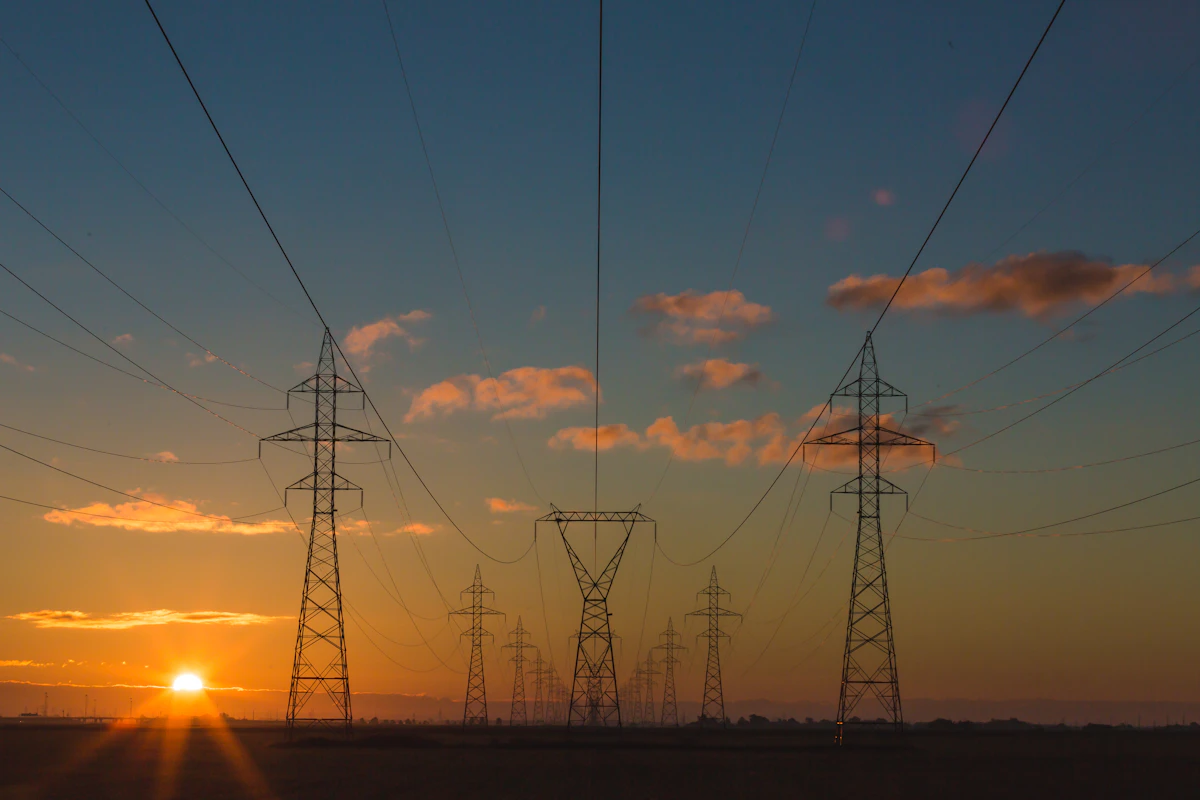
Credit: Photo by American Public Power Association on Unsplash
How Solar Battery Storage Works: Your Personal Energy Bank
Think of a solar battery system as a high-tech energy savings account. During the sunny hours, instead of sending excess kilowatt-hours to the utility company, you divert them to charge your battery. Later, when your panels are idle, you withdraw from this stored reserve. It's a simple yet powerful shift from being a passive producer to an active manager of your own microgrid.
Modern systems, like the Highjoule Hive residential energy storage system, integrate seamlessly with your existing solar array. They use advanced lithium-ion phosphate (LiFePO4) battery chemistry, known for its safety, longevity (often over 6,000 cycles), and stable performance. An intelligent energy management system (EMS) acts as the brain, constantly making decisions to optimize charging, discharging, and home energy usage based on your habits, weather forecasts, and even grid tariff rates.
The Core Components of a Solar-Plus-Storage System
- The Battery Pack: The physical storage unit where DC electricity is held chemically.
- The Inverter/Charger: Often a hybrid inverter, it converts DC from panels/battery to AC for home use, and AC to DC for charging. Highjoule's systems feature integrated, high-efficiency inverters that minimize energy loss during conversion.
- The Energy Management System (EMS): The software intelligence that controls the flow of energy, prioritizing self-consumption and providing user-friendly monitoring via a smartphone app.
Key Benefits of Storing Your Solar Electricity
Investing in a system to store electricity from solar panels delivers a multi-layered return on investment that goes beyond simple bill savings.
| Benefit | Explanation | Impact |
|---|---|---|
| Energy Independence | Dramatically reduce reliance on the utility grid. | Protection from rising energy prices and grid outages. |
| Maximized Self-Consumption | Use more of the clean energy you produce, sometimes exceeding 80%. | Lower electricity bills and a higher return on your solar investment. |
| Backup Power | Provide critical power during blackouts automatically. | Peace of mind and continuity for home offices, medical devices, and security systems. |
| Grid Support & Revenue | In some markets, you can provide services to the grid (like frequency response). | Potential for additional income streams (e.g., in UK or US virtual power plant programs). |
A Real-World Case: The Smithson Manufacturing Story
Let's move from theory to practice with a concrete example. Smithson Manufacturing, a mid-sized facility in Bavaria, Germany, had a 250 kW rooftop solar array. Despite this, they faced high energy costs due to operating heavy machinery during two evening shifts when solar production was zero. They were exporting 60% of their solar energy at low feed-in tariffs and buying expensive peak-time power.
In 2022, they partnered with Highjoule to implement a tailored Industrial Energy Storage Solution. The project included a 500 kWh battery storage system integrated with their existing solar and a smart EMS programmed for their specific load profile.
- Grid Energy Consumption Reduction: 74% during peak evening hours.
- Solar Self-Consumption Rate: Increased from 40% to over 90%.
- Payback Period: Achieved in under 5 years thanks to avoided demand charges and optimized arbitrage.
- Carbon Footprint: Reduced by an additional 62 tonnes of CO2 annually.
This case, documented in a IEA report on energy storage trends, illustrates the transformative impact for commercial entities. The ability to store electricity from solar panels turned a cost center into a strategic asset, providing price stability and operational resilience against volatile energy markets.

Credit: Photo by Los Muertos Crew on Pexels
Choosing the Right System for Your Needs
Selecting a system isn't one-size-fits-all. It requires careful consideration of your energy profile, goals, and physical constraints. As a global leader since 2005, Highjoule provides solutions across the spectrum:
For Residential Users (The Highjoule Hive Series)
Scalable from 5 kWh to 30 kWh, these sleek, wall-mounted units are designed for quiet, safe indoor installation. Their modular design allows you to start with a base unit and expand capacity as your needs grow—perhaps after buying an electric vehicle. The intuitive app lets you track your energy independence in real-time, set backup priorities, and even participate in grid-balancing programs where available.
For Commercial & Industrial Sites (Highjoule Matrix Solutions)
These are containerized or rack-mounted systems ranging from 100 kWh to multiple megawatt-hours. They are engineered for demanding duty cycles and can be configured for complex applications like peak shaving, demand charge management, and seamless UPS (Uninterruptible Power Supply) functionality. The Highjoule Matrix EMS can integrate with building management systems for holistic control.
For Microgrids & Utilities (Highjoule GridSync)
Large-scale, front-of-meter storage systems that stabilize grids, integrate renewable farms, and defer costly infrastructure upgrades. These systems are pivotal for the energy transition, allowing grids to absorb more solar and wind power reliably.
Key selection criteria include: Usable Capacity (kWh), Power Rating (kW - how much power it can deliver at once), Round-Trip Efficiency (Highjoule systems exceed 94%), Warranty (typically 10+ years), and the Intelligence of the EMS.
Your Role in the Future of Energy
The technology to store electricity from solar panels is no longer a futuristic concept; it's a mature, accessible, and financially sound technology today. It represents the missing link in creating a truly resilient and decentralized energy network. Every home or business that adds storage becomes a stabilizing node in the wider grid, contributing to collective energy security and accelerating the transition away from fossil fuels.

Credit: Photo by Kindel Media on Pexels
We've moved from understanding the problem of solar intermittency to having robust, intelligent solutions at our fingertips. The question is no longer "Why should I store my solar energy?" but rather, "What's the optimal storage strategy for my energy goals, and what am I waiting for to achieve true energy independence?"
 Inquiry
 Online Chat