


Renewable Energy Control Systems: The Intelligent Brain Behind a Sustainable Grid
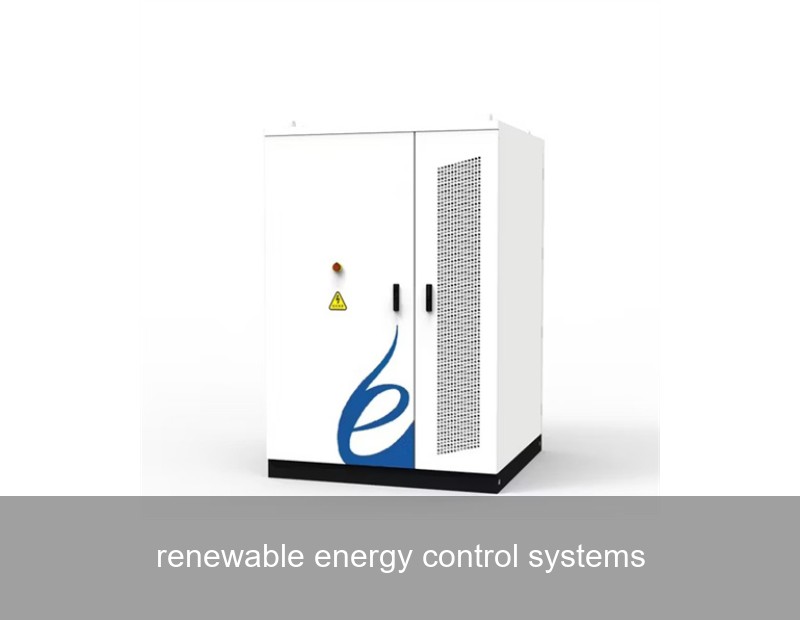
Imagine a symphony orchestra without a conductor. Individual musicians might be talented, but the result would be chaotic. This is the challenge facing our modern energy grid as we integrate more solar, wind, and battery storage. The solution? Sophisticated renewable energy control systems. These digital "conductors" are the critical intelligence that harmonizes diverse energy sources, ensuring reliability, efficiency, and maximum return on your green investment. For businesses and communities across Europe and the US, mastering this control is the key to unlocking a truly sustainable and cost-effective energy future.
Table of Contents
The Chaos of Unmanaged Renewables: A Real-World Phenomenon
You've installed a large rooftop solar array and a battery bank. Your goals are clear: reduce carbon footprint and slash energy bills. But here's the common, frustrating phenomenon: on a sunny afternoon, your solar panels are producing more power than your facility can use. Your batteries are already full, and without smart control, this excess clean energy is simply fed back to the grid at low rates. Later that evening, when the sun sets and grid prices peak, you're drawing expensive power, depleting your batteries linearly without strategy. You have the assets, but they're not working together intelligently. This inefficiency leads to longer payback periods and underutilized assets—a problem faced by many early adopters.

Image Source: Unsplash - A commercial solar installation requiring intelligent control to maximize value.
The Solution: More Than Just a Switch
A true renewable energy control system is a sophisticated software and hardware platform that goes far beyond basic timing. It's the central nervous system for your energy assets. Think of it as having a 24/7 energy trader and grid engineer on your premises. Its core functions include:
- Forecasting & Prediction: Analyzing weather data to predict solar/wind generation and building load patterns.
- Real-Time Optimization: Making millisecond decisions on whether to consume, store, or sell energy.
- Grid Services Participation: Allowing your system to provide valuable services like frequency regulation to the grid for additional revenue.
- Resilience Management: Automatically islanding your facility during a grid outage to keep critical operations running.
This is where a provider's expertise becomes critical. At Highjoule, with nearly two decades of experience since 2005, we've evolved our Highjoule Neuron™ AI Controller to be precisely this brain. It doesn't just react; it learns your energy profile and predicts, ensuring every kilowatt-hour is used optimally for economic and environmental gain.
Key Components of an Effective Control System
| Component | Function | Benefit |
|---|---|---|
| Advanced Metering Infrastructure (AMI) | High-frequency data collection from all assets and loads. | Creates a precise, real-time energy picture for decision-making. |
| Forecasting Engine | Uses AI/ML models for generation and load prediction. | Enables proactive, rather than reactive, energy scheduling. |
| Optimization Algorithm | Solves for cost, carbon, or resilience based on owner's goals. | Maximizes financial return and operational objectives. |
| Grid Interface & Communications | Secure two-way communication with utility grid operators. | Enables market participation and ensures grid compliance. |
The Data Speaks: Quantifying the Control Advantage
The impact of intelligent control isn't theoretical. Studies and real-world data consistently show dramatic improvements. According to a report by the National Renewable Energy Laboratory (NREL), advanced controls can increase the value of solar PV systems by 20-50% and battery storage systems by 30-100%, depending on market and utility structure. This value comes from multiple streams: increased self-consumption, avoided demand charges, arbitrage (buying low, selling high), and revenue from grid services.
For a typical commercial user in California or Germany facing time-of-use rates and demand charges, a controlled system can reduce electricity costs by 40-70% compared to an uncontrolled one. The difference lies in the controller's ability to perform "peak shaving"—discharging batteries precisely during the 15-30 minute window when your facility's peak demand is measured, thereby slashing the most costly portion of your bill.
Case Study: A German *Mittelstand* Manufacturing Plant
Let's look at a concrete example from our work at Highjoule. A mid-sized automotive parts manufacturer in Bavaria, Germany, faced volatile energy prices and stringent sustainability targets. They had a 500 kWp solar array and a planned 750 kWh battery storage system.
The Challenge: Their existing setup lacked integration. The solar and battery operated on separate, simple logic, missing opportunities for savings and failing to provide grid support revenue.
The Highjoule Solution: We deployed our integrated Highjoule Harmony ESS with the embedded Neuron™ AI Controller. The system was connected to the German primary control reserve (PCR) market and programmed to optimize for both self-consumption and grid service bids.
The Data-Backed Outcome (First 12 Months):
- Self-Consumption of Solar Power: Increased from 35% to over 80%.
- Energy Cost Savings: €125,000 saved from arbitrage and peak shaving.
- Additional Revenue: €28,000 earned from providing primary control reserve to the grid.
- ROI Improvement: Payback period reduced by an estimated 4 years.
- Carbon Footprint: Reduced by 720 metric tons of CO2-equivalent.
This case exemplifies how a sophisticated renewable energy control system transforms assets from cost centers into profitable, grid-supporting investments. The Highjoule system's ability to dynamically switch between economic modes based on real-time market data was the game-changer.

Image Source: Unsplash - Monitoring and control are vital for modern energy storage systems.
The Highjoule Approach: Predictive Intelligence for a Dynamic Market
Our philosophy at Highjoule is that hardware stores energy, but software creates value. Our control systems are built on three pillars:
- Open & Interoperable Architecture: We design our Neuron™ Controller to communicate with a wide range of inverters, meters, and building management systems (BMS). This protects your investment and avoids vendor lock-in.
- Market-Agile Algorithms: Whether it's participating in FERC-regulated markets in the US or the European Power Exchange (EPEX), our systems are updated to capitalize on evolving revenue opportunities.
- User-Centric Design: We provide clear, actionable insights through our dashboard, empowering facility managers to understand their energy flows and validate performance.
For a hospital needing unwavering resilience, our system prioritizes backup power. For a school district wanting to minimize costs, it aggressively targets demand charge reduction. This flexibility is at the core of our product and service design for commercial, industrial, and microgrid applications.
Your Role in the Future Grid
The energy transition is shifting from a one-way street to a collaborative network. With the right renewable energy control system, your facility is no longer just a consumer; it becomes a proactive node in a more stable and sustainable grid. This isn't just about technology; it's about redefining your relationship with energy.
What specific energy challenge—be it unpredictable bills, sustainability mandates, or the need for backup power—could you transform into a controlled, strategic advantage starting this quarter?
 Inquiry
 Online Chat