


Electric Distribution System: The Silent Revolution Powering Our Modern World
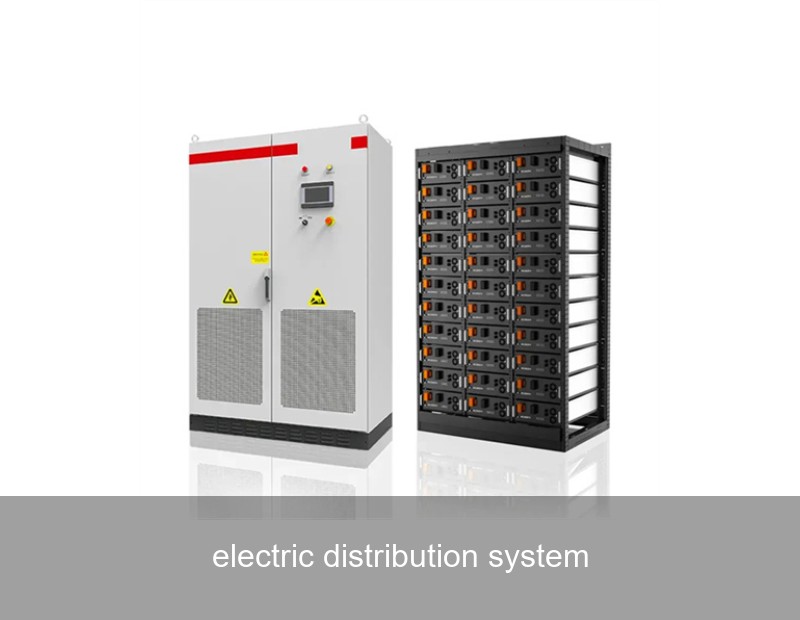
You flip a switch, and the light comes on. You plug in your EV, and it charges. This seamless flow of power is the magic of the electric distribution system—the final, crucial network that delivers electricity from the grid to our homes, businesses, and communities. But as we integrate more renewables and face increasing climate volatility, this once-static network is under unprecedented strain. The question is no longer just about delivering power, but about managing it intelligently for a resilient, sustainable future. This is where advanced energy storage is becoming the linchpin of a modern grid.
Table of Contents
The Growing Pressure on the Grid
Think of the traditional electric distribution system as a one-way street. Power flows from large, centralized power plants, through high-voltage transmission lines, and is finally "stepped down" by local substations to the lower-voltage lines that snake through our neighborhoods. This model worked brilliantly for the 20th century. However, the 21st century is introducing disruptive new traffic patterns:
- Intermittent Renewable Generation: Solar panels on rooftops and wind farms feed power back into the distribution grid, often unpredictably, causing voltage fluctuations and potential overloads.
- Electrification of Everything: The mass adoption of electric vehicles (EVs) and heat pumps is creating massive new concentrated loads at the distribution level, especially during peak evening hours.
- Climate-Driven Extremes: Heatwaves, wildfires, and severe storms are increasingly threatening the physical infrastructure, leading to more frequent and prolonged outages.
This combination is pushing local transformers and circuits beyond their designed limits, creating a urgent need for a more flexible, responsive, and decentralized grid architecture.
The Data Reality: Congestion, Cost, and Carbon
The challenges aren't theoretical. In the United States, the Department of Energy (DOE) has highlighted that distribution system upgrades to accommodate renewables and new loads are a major cost driver. A study by the National Renewable Energy Laboratory (NREL) found that proactive management of distributed energy resources (like storage) can defer or avoid costly infrastructure upgrades, saving utilities and, ultimately, ratepayers significant capital expenditure.
In Europe, the push for decarbonization is even more acute. The European Commission's "Fit for 55" package sets ambitious targets that will further accelerate electrification. According to the European Network of Transmission System Operators for Electricity (ENTSO-E), integrating these new, variable resources requires a fundamental shift from a "fit-and-forget" distribution model to an actively managed one. The data points to a clear conclusion: without intelligent buffers and controls at the distribution level, the energy transition will be slower, more expensive, and less reliable.

Image Source: Unsplash - A modern electrical substation, a key node in the distribution system.
Case Study: A German Industrial Park's Solution
Let's look at a real-world example from Bavaria, Germany. A mid-sized industrial park with several manufacturing facilities and a large rooftop solar PV installation was experiencing a dual problem. Their solar generation often peaked in the middle of the day, exceeding their immediate consumption and threatening to overload the local distribution transformer when feeding excess back to the grid. Simultaneously, their energy costs were soaring due to high demand charges—fees based on their peak power draw from the grid.
The Solution: The park partnered with a system integrator to deploy a 1.2 MWh / 600 kW battery energy storage system (BESS) directly behind their main utility meter. This system was strategically programmed for dual purposes:
- Solar Self-Consumption & Grid Support: The BESS stores excess solar energy produced at noon instead of pushing it all onto the grid. It then discharges this stored energy during the late afternoon and evening when solar production falls but facility demand is still high, smoothing out the power flow to the local electric distribution system.
- Peak Shaving: The system's intelligent controller constantly monitors the park's total power import. The moment it detects a trend that would lead to a new peak demand (and a higher monthly demand charge), the battery discharges to "shave" that peak, effectively capping the import from the grid.
The Results (18-month post-installation):
| Metric | Before BESS | After BESS | Change |
|---|---|---|---|
| Monthly Demand Charges | €8,500 (avg.) | €5,200 (avg.) | -39% |
| Solar Self-Consumption | 35% | 68% | +33% pts |
| Grid Export During Peak Solar | High, volatile | Flat, managed | Stabilized |
This case exemplifies how targeted energy storage directly at the point of use solves economic pain points for the customer while providing a vital stability service to the broader distribution network.
The Strategic Role of Battery Energy Storage Systems (BESS)
As the case study shows, a Battery Energy Storage System is far more than just a backup power source. In the context of the modern electric distribution system, it acts as a multipurpose tool:
- Grid Buffer: It absorbs excess local generation and releases it during shortages, acting as a shock absorber for the local grid.
- Voltage and Frequency Regulator: Advanced inverters in BESS can provide reactive power support and frequency response, maintaining the technical quality of power within required parameters.
- Resilience Hub: In a configuration known as a microgrid, a BESS paired with local generation (like solar) can intentionally "island" from the main grid during an outage, keeping critical operations running.
This transforms the distribution grid from a passive delivery channel into an active, resilient, and optimized network.

Image Source: Unsplash - A technician inspecting a commercial battery storage installation.
The Highjoule Approach: Intelligence at the Grid Edge
At Highjoule, we have been at the forefront of this transformation since 2005. We understand that strengthening the electric distribution system starts at its edges—in commercial & industrial facilities, residential communities, and microgrids. Our solutions are designed to empower these nodes to become active participants in grid stability.
Our flagship product, the HPS Series of containerized and skid-mounted BESS, is engineered for high-cycle, long-duration performance. It's not just about the battery cells; it's about the integrated intelligence. Our GridSyncTM Energy Management System (EMS) is the brain of the operation. It doesn't just react; it forecasts. By analyzing weather data, historical consumption patterns, and real-time grid conditions (where available), the GridSyncTM EMS optimizes charge/discharge cycles to achieve multiple goals simultaneously: maximize self-consumption of solar, reduce demand charges, provide grid services, and ensure backup readiness.
For utilities and distribution system operators (DSOs), Highjoule offers GridBoostTM Programs. We collaborate to deploy strategically placed, utility-scale storage assets within the distribution network. These assets can be used for:
- Congestion Relief: Deferring the need for expensive transformer or line upgrades.
- Renewable Integration: Soaking up excess wind or solar generation in areas with high penetration.
- Community Resilience: Providing critical backup power to community shelters or water treatment plants during extended outages.
Our approach is holistic, combining robust hardware with sophisticated, scenario-based software to deliver turnkey solutions that benefit both the end-user and the grid as a whole.
A Question for Our Energy Future
As you look at your own organization's energy bills, sustainability goals, or operational resilience plans, consider this: Is your connection to the electric distribution system a passive cost center, or could it be transformed into an active, value-generating asset? What would it mean for your community or business to have a cleaner, more reliable, and more controllable power supply at the very edge of the grid?
 Inquiry
 Online Chat