


Cheap Off Grid Solar System: Your Guide to Affordable Energy Independence
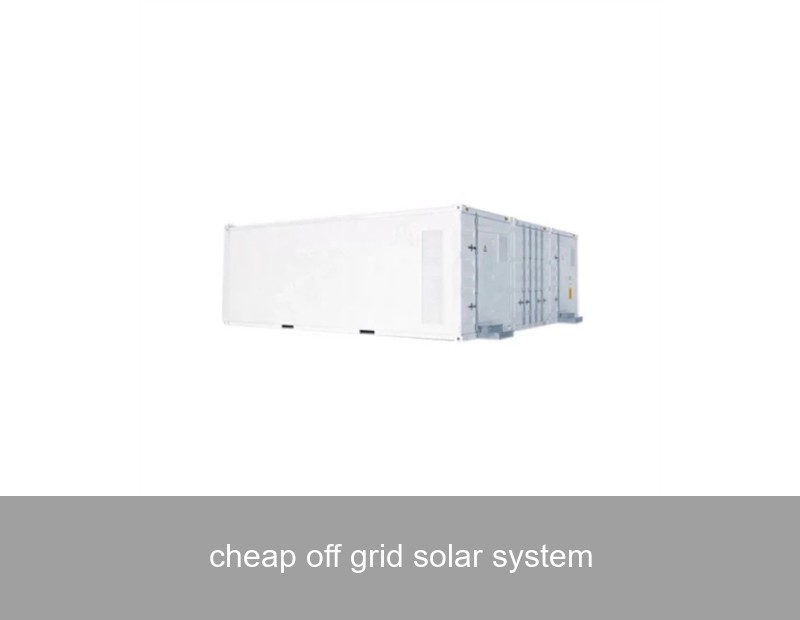
Dreaming of a life untethered from the utility grid, powered by the quiet hum of the sun? For years, the idea of a cheap off grid solar system felt like a contradiction. The upfront costs were daunting. But here's the good news: the landscape has dramatically shifted. Today, achieving true energy autonomy is more accessible than ever, thanks to technological innovation and smarter system design. It's not just about slashing your electricity bill to zero; it's about resilience, sustainability, and taking definitive control of your power. Let's explore how a modern, cost-effective off-grid system works and how companies like Highjoule are making this dream a practical reality for homes and businesses across the globe.
What is a Truly "Cheap" Off-Grid Solar System?
When we say "cheap off grid solar system," we're talking about optimized value over the system's lifetime, not just the lowest sticker price. A poorly designed cheap system can fail in winter, leaving you in the dark and costing more in repairs. A truly cost-effective system balances initial investment with long-term reliability and low maintenance. The core equation is simple: generate enough solar energy, store it intelligently, and manage your consumption wisely. The breakthrough in affordability has come primarily from two areas: a sustained drop in solar panel prices (over 80% in the last decade according to the U.S. Department of Energy) and the evolution of battery storage technology.
Key Components of a Cost-Effective Off-Grid System
Understanding the pieces of the puzzle is the first step to smart spending. Every off-grid system rests on four pillars:
- Solar Panels (PV Array): Your fuel source. Monocrystalline panels are the go-to for off-grid due to their higher efficiency in limited space.
- Charge Controller: The brain that regulates power from panels to batteries, preventing overcharging. Modern Maximum Power Point Tracking (MPPT) controllers are 20-30% more efficient than older models, meaning you need fewer panels.
- Battery Energy Storage System (BESS): The heart of your system. This is where the "cheap" challenge often lies. Lead-acid batteries have a lower upfront cost but a shorter lifespan. Lithium-ion batteries, particularly Lithium Iron Phosphate (LiFePO4), now offer a better total cost of ownership due to longer life (10+ years), deeper discharges, and minimal maintenance.
- Inverter: The translator, converting stored DC battery power into AC power for your appliances. A pure sine wave inverter is essential for running sensitive electronics smoothly.

Image Source: Unsplash - A modern off-grid setup requires careful component selection.
A Real-World Case: The Colorado Mountain Cabin
Let's look at hard data. A family in rural Colorado, USA, powered a 1,200 sq ft all-electric cabin with a well-designed off-grid system. Their key challenge was extreme winter temperatures, which can cripple traditional batteries.
- Old System (2015): 5kW solar array, lead-acid batteries. Total cost: ~$28,000. Batteries needed replacement every 4-5 years at ~$6,000, and winter performance was unreliable.
- Upgraded System (2022): They kept the 5kW array but replaced the storage with a Highjoule HES-C10 compact lithium storage system (10kWh). Upgrade cost: $9,500. The LiFePO4 chemistry performs reliably in low temperatures and is guaranteed for 12 years. Their energy security is now year-round.
The math is clear: the higher initial investment in advanced lithium storage slashed their long-term costs and eliminated anxiety. This is the essence of a cheap off grid solar system—it's an asset, not a recurring expense.
How Highjoule Makes Off-Grid Solar More Accessible
As a global leader in advanced energy storage since 2005, Highjoule's mission is to turn complex power challenges into simple, sustainable solutions. For the off-grid seeker, this means providing products that are intelligent, durable, and ultimately, more affordable over time.
Our HES Series (Home Energy Storage) is engineered specifically for robust off-grid and backup applications. Take the HES-L15 model. It's a 15kWh LiFePO4 battery system with a built-in hybrid inverter and MPPT charge controller—an "all-in-one" solution that drastically reduces installation complexity and cost. Its smart battery management system optimizes every charge cycle, extending its life and ensuring you get every watt-hour you paid for. For larger needs, our modular systems can be scaled seamlessly, allowing you to start with what you need and expand later, a crucial strategy for managing initial investment.

Image Source: Unsplash - Integrated systems reduce installation time and cost.
Beyond hardware, Highjoule provides comprehensive system design support. Our experts help you right-size your system based on your location (be it sunny Southern Europe or the cloudier Pacific Northwest of the U.S.), consumption patterns, and critical load requirements, preventing the costly mistake of over- or under-building your system.
Pro Tips for Designing an Affordable System
Your path to a cost-effective system starts with smart planning:
- Audit Your Energy Use First: Before buying a single panel, use an energy monitor. Replace old appliances with efficient ones. LED lighting is a must. Reducing your demand is the cheapest way to shrink system size.
- Prioritize Lithium (LiFePO4) Batteries: For true off-grid, the long lifespan and resilience of lithium iron phosphate offer the best lifetime value, as the Colorado case clearly shows.
- Consider an All-in-One Unit: Integrated solutions like Highjoule's HES systems reduce wiring, component compatibility issues, and labor costs.
- Plan for Expansion: Choose a modular system. Start with a system covering 80% of your needs, then add battery modules or panels as budget allows.
Cost Comparison: System Types Over 15 Years
| System Type | Typical Upfront Cost (5kW + Storage) | Estimated Maintenance & Replacement Cost (15 yrs) | Total Cost of Ownership | Reliability & Convenience |
|---|---|---|---|---|
| Basic Lead-Acid System | $18,000 - $22,000 | $12,000 - $18,000 (2-3 battery replacements) | $30,000 - $40,000 | Low. Requires frequent maintenance, sensitive to deep discharge. |
| Advanced LiFePO4 System (e.g., Highjoule HES) | $25,000 - $32,000 | $1,000 - $2,000 (minimal maintenance) | $26,000 - $34,000 | High. "Set and forget," deeper daily use, longer warranty. |
Is a Cheap, Reliable Off-Grid System Right for You?
The vision of affordable off-grid living is now a tangible engineering reality. It's no longer reserved for the most remote homesteads; it's a viable choice for rural homes, weekend cabins, and businesses seeking energy security. The key is to shift your perspective from upfront price tag to total value and peace of mind. With strategic design and the right technology partners, your investment pays dividends in freedom and stability for decades.
What's the first step you'll take to assess your own potential for energy independence? Could a modular, scalable system be the key to starting your off-grid journey within your budget?
 Inquiry
 Online Chat