


Your Complete Guide to a Stand Alone Solar Electric System
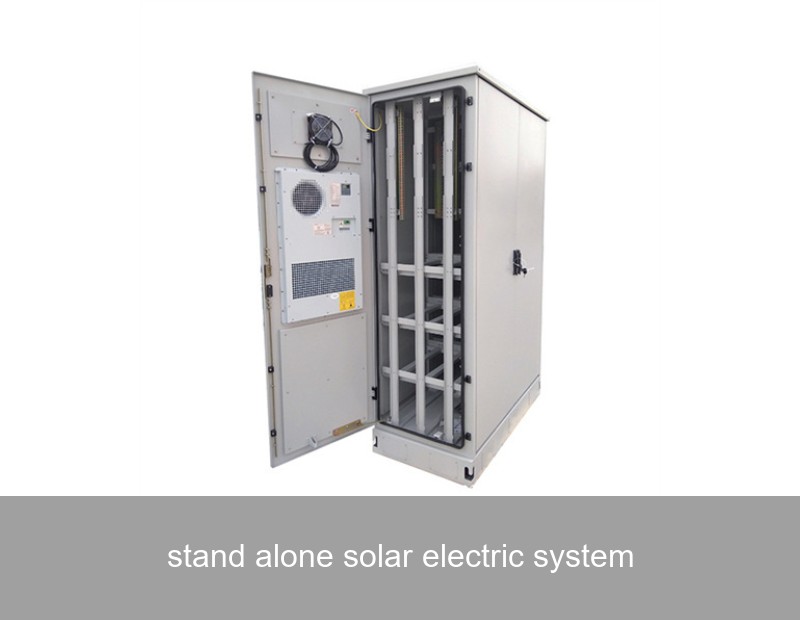
Imagine having complete energy independence, powered entirely by the sun, even when the grid is miles away or unreliable. This is the promise of a stand alone solar electric system, also known as an off-grid solar system. Unlike grid-tied setups, these systems operate independently, providing total energy autonomy. For homeowners in remote locations, businesses seeking backup resilience, or communities aiming for sustainable microgrids, going off-grid is a powerful solution. However, designing a system that's both reliable through all seasons and cost-effective requires deep expertise. This guide will walk you through everything you need to know, from core components to real-world performance, helping you understand if energy independence is right for you.
Table of Contents
- What is a Stand Alone Solar Electric System?
- Key Components: More Than Just Panels
- The Sizing Challenge: Balancing Sun, Storage, and Load
- Real-World Case Study: Off-Grid Living in the Scottish Highlands
- Highjoule's Smart Solutions for Off-Grid Reliability
- Is an Off-Grid System Right for You?
What is a Stand Alone Solar Electric System?
A stand alone solar electric system is a self-sufficient power station. It captures solar energy, converts it to electricity, stores it for use anytime, and manages the entire flow without any connection to the public utility grid. It's the ultimate solution for true energy independence. The core principle is to generate enough power during sunny periods to cover consumption during the night and periods of poor weather, which is where intelligent battery storage becomes absolutely critical. While the concept is straightforward, the engineering behind a system that delivers 24/7/365 power in diverse climates is complex.
Key Components: More Than Just Panels
Every robust off-grid system is built on four essential pillars:
- Solar Panels (PV Array): The primary energy harvesters. Their size (kWh) is determined by your location's solar irradiance and your daily energy needs.
- Charge Controller: The guardian of your batteries. It regulates the voltage and current from the panels to safely charge the batteries, preventing overcharging and damage. Modern Maximum Power Point Tracking (MPPT) controllers are significantly more efficient.
- Battery Energy Storage System (BESS): The heart of the system. This is your energy bank, storing surplus solar power for use when the sun isn't shining. Depth of discharge, cycle life, and temperature tolerance are key metrics.
- Inverter: The translator. It converts the direct current (DC) electricity stored in the batteries into the alternating current (AC) that powers your household appliances and devices.
What many first-time designers underestimate is the need for a sophisticated Energy Management System (EMS). This is the "brain" that optimizes energy flow, prioritizes loads, and ensures the health and longevity of the entire system, especially the batteries.

Image Source: Unsplash - A typical off-grid cabin setup with solar panels and external battery storage units.
The Sizing Challenge: Balancing Sun, Storage, and Load
The biggest pitfall in off-grid design is undersizing. You must plan for your worst-case scenario, not your average sunny day. This involves a detailed audit:
- Load Assessment: List every appliance, its wattage, and hours of use to calculate total daily kWh consumption. Don't forget seasonal variations like winter heating.
- Solar Resource Assessment: Using data from sources like PVGIS, you determine the average sun hours for your location in its least sunny month.
- Autonomy Days: How many consecutive cloudy days should the system handle? Typically 3-5 days of autonomy requires a much larger battery bank.
For example, a modest European household consuming 10 kWh per day in a location with only 2 peak sun hours in winter would need a ~6 kWp solar array and a battery bank with a usable capacity of at least 30-50 kWh to cover multiple low-sun days. This is a substantial investment, which is why component quality and system intelligence are non-negotiable.
Real-World Case Study: Off-Grid Farming in California, USA
Let's look at a concrete example. Suncrest Orchard, a 50-acre organic farm in Northern California, faced prohibitively high costs to connect to the grid due to its remote location. They needed reliable power for irrigation pumps, cold storage, and farm equipment charging.
- Challenge: Power a 5 HP irrigation pump (~4 kW), a 20 cu. ft. cold storage unit, and basic farmstead loads with 99.9% reliability.
- Solution: A custom-designed stand alone solar electric system was installed.
- Solar Array: 24 kWp ground-mounted system.
- Storage: A 40 kWh lithium-ion battery bank.
- Backup: A integrated propane generator for extended cloudy periods in winter.
- Results & Data: The system has been operational for three years. Data from their monitoring platform shows:
Metric Performance Data Annual Energy Generation ~34,000 kWh Generator Runtime (Year 2) < 50 hours (primarily in Dec-Jan) Fuel Cost Savings vs. Diesel Gen Only ~$4,200/year System Availability 99.97%
The farm manager noted, "The intelligence of the system to seamlessly blend solar, battery, and minimal generator use is what makes it work. We're not just saving money; we're ensuring our produce stays perfectly chilled without worry." This case highlights that success isn't just about size—it's about smart integration and control.
Highjoule's Smart Solutions for Off-Grid Reliability
At Highjoule, with nearly two decades of experience in advanced energy storage, we understand that an off-grid system's reliability hinges on its brain and its heart: the controller and the batteries. Our approach moves beyond simply selling components to providing integrated, intelligent power solutions.
For the demanding off-grid environment, our HES-Pro Series battery storage systems are engineered for resilience. Featuring lithium iron phosphate (LFP) chemistry, they offer exceptional cycle life (over 6000 cycles), safe operation, and stable performance across a wide temperature range. Paired with our Energy Router platform—a unified inverter/charge controller with advanced EMS—the system makes intelligent decisions in real-time.
What does this mean for you? The Energy Router can learn your consumption patterns, predict weather-based solar generation using cloud data, and automatically optimize charging/discharging strategies. It will prioritize solar for critical loads, cycle the battery health-consciously, and only engage a backup generator as an absolute last resort, minimizing fuel use and maintenance. For larger-scale needs, such as industrial sites or community microgrids, Highjoule's containerized Megapack BESS solutions provide utility-scale storage that can form the robust backbone of a completely independent energy network.

Image Source: Unsplash - Inside a modern containerized battery storage unit, similar to large-scale BESS solutions.
Is an Off-Grid System Right for You? Key Questions to Ask
Embarking on an off-grid journey is a major decision. To determine if it's a viable and smart choice for your situation, honestly answer these questions:
- Grid Connection Cost: Is extending the utility grid to your property prohibitively expensive (often $15,000-$50,000 per mile)? If yes, off-grid becomes economically compelling.
- Energy Efficiency: Are you prepared to invest in highly efficient appliances (LED lighting, heat pumps, Energy Star devices) to minimize your overall energy demand? Reducing load is the most cost-effective way to shrink system size.
- Maintenance Commitment: Do you have access to technical support, or is your provider like Highjoule offering remote monitoring and proactive maintenance services to ensure long-term health?
- Climate Realism: Have you planned for your geographical and climatic reality, using tools from the National Renewable Energy Laboratory (NREL) for accurate data?
The landscape of off-grid technology is advancing rapidly. With smarter software and more durable batteries, systems are becoming more reliable and manageable than ever before.
Looking Forward: The Future of Energy Independence
The trend towards decentralization is clear. Whether driven by desire for resilience, sustainability, or necessity, stand alone solar electric systems are evolving from niche setups to sophisticated, mainstream power solutions. The integration of AI for predictive energy management and the continued fall in battery costs are making energy independence accessible to more people and businesses worldwide.
What specific energy security or sustainability goal is driving your interest in energy independence, and how can a tailored system be designed to meet that unique vision?
 Inquiry
 Online Chat