


Unlocking Energy Independence: The Power of Wind and Solar Combined Systems
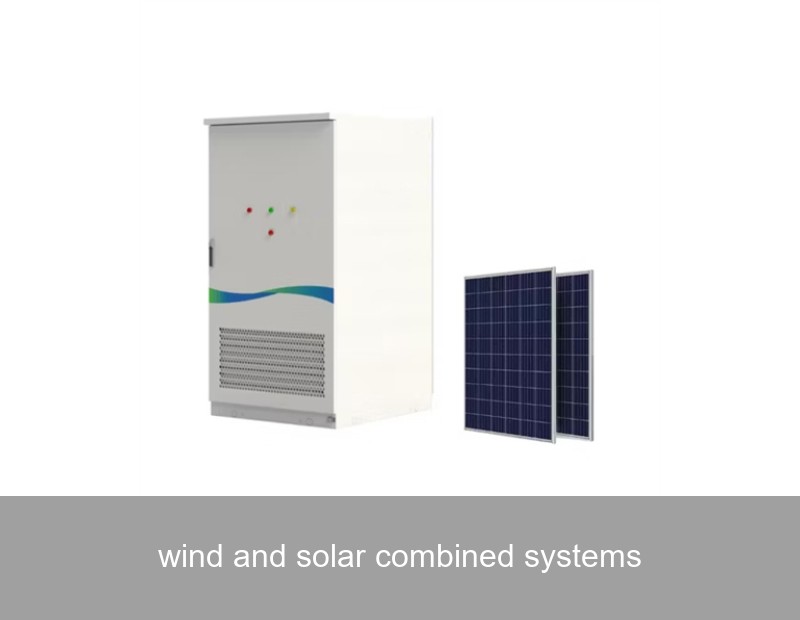
Imagine a world where your power supply isn't at the mercy of a cloudy day or a calm week. For businesses, communities, and homeowners across Europe and the U.S., this vision is becoming a tangible reality through the strategic integration of wind and solar combined systems. This powerful duo, often called hybrid renewable systems, is solving one of renewable energy's oldest puzzles: intermittency. By harnessing complementary generation patterns, these systems deliver a more consistent, reliable, and ultimately cost-effective clean energy solution. As a leader in advanced energy storage, Highjoule has been at the forefront of integrating these variable resources into stable, intelligent power systems since 2005.
Table of Contents
- The Intermittency Challenge: Why One Source Isn't Enough
- Synergy in Action: How Wind and Solar Complement Each Other
- The Missing Link: Intelligent Energy Storage
- Case Study: A European Agri-Business Powers Up
- Highjoule's Role: Making Hybrid Systems Work Smarter
- Future Horizons and Your Next Step
The Intermittency Challenge: Why One Source Isn't Enough
Let's be honest—renewable energy has a timing issue. Solar panels are fantastic, but they famously take the night off. Wind turbines can generate massive power, but they're subject to the whims of the weather. This variability, known as intermittency, has been a significant hurdle for widespread adoption. Relying solely on solar means importing power from the grid after sunset. Relying solely on wind can lead to periods of anxiety during seasonal "wind droughts." The result? You're either left with an unreliable power source or remain uncomfortably dependent on the traditional grid, undermining your energy independence and sustainability goals.
Synergy in Action: How Wind and Solar Complement Each Other
This is where the magic of wind and solar combined systems comes into play. Think of them as a perfectly balanced team. Solar generation typically peaks in the middle of the day, especially during sunny summer months. Wind patterns, on the other hand, often pick up in the evening, overnight, and during winter storms or seasonal changes. A study by the U.S. National Renewable Energy Laboratory (NREL) found that co-located wind and solar plants can achieve a more stable combined output, with the capacity factor (the ratio of actual output to maximum possible output) of the hybrid system being up to 40% higher than that of a standalone solar farm in some regions.
 Image Source: NREL, illustrating complementary generation profiles.
The table below illustrates this complementary relationship in a typical temperate climate:
| Period | Solar Generation | Wind Generation | Combined System Benefit |
|---|---|---|---|
| Summer Day | High | Moderate | Excess solar can charge batteries for evening use. |
| Summer Night | None | Often Moderate | Wind picks up the slack, reducing grid draw. |
| Winter Day | Moderate/Low | Often High | Strong winter winds compensate for weaker sun. |
| Stormy/Cloudy Day | Low | High | System remains highly productive despite poor solar conditions. |
The Missing Link: Intelligent Energy Storage
While combining wind and solar smooths out generation, it doesn't create a perfect, constant flow. There will still be times when the combined output exceeds your immediate needs and other times when it falls short. This is where the third, and arguably most critical, component enters the equation: advanced battery energy storage systems (BESS). An intelligent BESS acts as the brain and battery bank of the entire operation. It captures surplus energy when generation is high, stores it efficiently, and dispatches it precisely when you need it most—whether that's during a nighttime lull, a peak demand period with high utility rates, or even a grid outage.
Without sophisticated storage, much of the benefit of a hybrid system is lost. This is the core of Highjoule's expertise. Our IntelliBESS platform isn't just a battery container; it's an integrated energy management system. It uses AI-driven forecasting to predict wind, solar, and load patterns, then autonomously optimizes charge/discharge cycles to maximize self-consumption, reduce energy costs, and ensure grid stability. For commercial and industrial clients, this can translate directly to significant operational savings and enhanced power resilience.
Case Study: A European Agri-Business Powers Up
Consider the real-world example of "GreenVale Farms," a large agricultural cooperative in Northern Germany. Facing rising energy costs and a commitment to sustainable operations, they installed a 2 MW solar array. However, they found their energy costs were still high during long, dark winter months. In 2022, they partnered with Highjoule and a wind developer to create a true hybrid solution.
- Added: A 1.5 MW mid-scale wind turbine.
- Integrated with: A Highjoule IntelliBESS 500 kWh/1000kVA storage system.
- The Result: The system's combined logic, managed by Highjoule's software, allowed GreenVale to:
- Increase their renewable self-consumption rate from 35% (solar only) to over 85%.
- Reduce their annual energy procurement from the grid by 76%.
- Provide critical backup power for their refrigeration and processing facilities, a vital resilience boost.
"The wind turbine provides the base load through the winter, while solar dominates in summer. The Highjoule system decides every second where the energy should go—to the machines, into the batteries, or to the grid. It's seamless," noted the farm's operations manager. This case exemplifies the tangible ROI of a properly engineered and managed wind and solar combined system.
Highjoule's Role: Making Hybrid Systems Work Smarter
At Highjoule, we don't just supply batteries; we provide the intelligence that unlocks the full potential of hybrid renewables. For residential, commercial, industrial, and microgrid applications, our approach is holistic:
- Core Technology: Our IntelliBESS product line features high-cycle life lithium-ion batteries, industry-leading thermal management, and modular design for scalable power and capacity.
- Brain of the System: The proprietary Energy Management System (EMS) is the true differentiator. It performs real-time optimization, considering weather forecasts, electricity tariffs, and consumption patterns to make the most economical decisions.
- Grid Services: For larger installations, our systems can be configured to provide grid-support services like frequency regulation, helping to stabilize the broader network and create potential revenue streams for system owners.
- Full-Service Partnership: From initial feasibility analysis and system design to commissioning, remote monitoring, and maintenance, Highjoule supports clients throughout the project lifecycle, ensuring performance and longevity.

Future Horizons and Your Next Step
The evolution towards integrated, multi-source energy systems is accelerating. With advancements in forecasting algorithms, battery chemistry, and smart inverter technology, the efficiency and affordability of wind and solar combined systems continue to improve. Governments in both the U.S. and Europe are supporting this transition through incentives and regulatory frameworks that value grid resilience and decarbonization, as highlighted in recent reports from the International Energy Agency (IEA).
The question is no longer *if* hybrid systems are viable, but *how* to tailor them for maximum impact for your specific site, load profile, and financial objectives. Every location has a unique "renewable fingerprint"—a specific pattern of wind and solar resources. The key is to map that fingerprint with the right technology blend and intelligent control.
What does your site's renewable fingerprint look like, and how could an intelligently managed hybrid system transform your energy resilience and bottom line? We invite you to explore this potential with our team.
 Inquiry
 Online Chat