


Your Guide to Choosing a Reliable Supplier of SHC System for Your Energy Independence
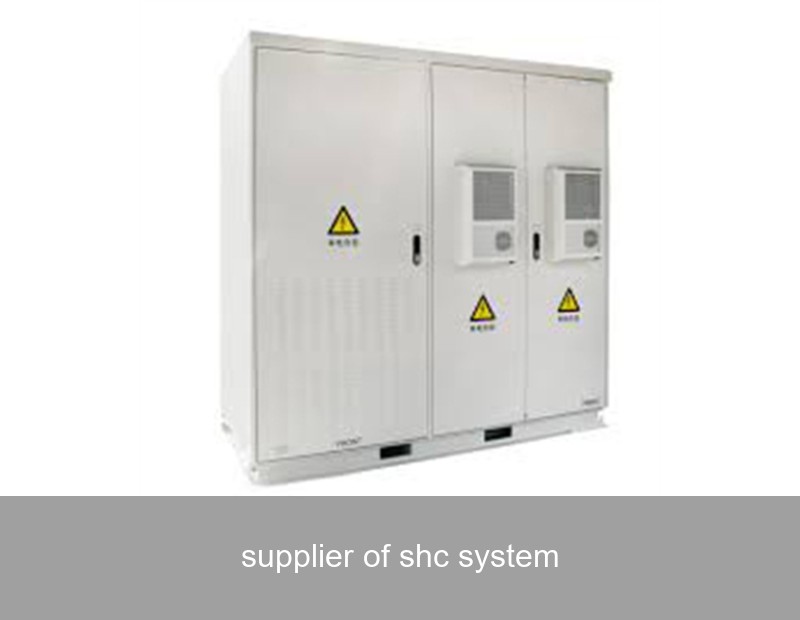
Have you noticed the growing number of solar panels on rooftops and the increasing talk about energy independence? The transition is clear, but there's a crucial piece often missing from the conversation: the storage that makes solar power truly reliable. This is where Solar Home and Commercial (SHC) systems come in. An SHC system is an integrated solution combining solar generation with intelligent battery storage, allowing you to capture, store, and manage your own clean energy. However, the true performance and longevity of your system hinge on one critical decision: selecting the right supplier of SHC system. This choice determines not just the hardware on your wall, but the intelligence behind it, the safety embedded within it, and the partnership that supports it for decades.
Table of Contents
The Phenomenon: Beyond the Solar Panel
For years, the focus for homeowners and businesses was simply on installing solar panels. The goal was to reduce grid consumption and lower bills. But a fundamental challenge remained: the sun doesn't shine on demand. Energy was often exported to the grid at low rates, only to be purchased back at night at higher prices. This created a frustrating cycle of generating power but not fully controlling its value. The modern energy consumer now demands autonomy. They want to power their home during a blackout, maximize the use of their self-generated solar energy, and even participate in grid services. This shift transforms an SHC system from a luxury add-on to the essential brain and battery of a modern property. The supplier of SHC system you choose must understand this holistic need for resilience, intelligence, and sustainability.
The Data: Why Your Storage Choice Matters
Let's talk numbers. Not all battery storage is created equal. Key performance indicators separate adequate systems from exceptional ones. Consider cycle life: a typical mid-tier lithium-ion battery might offer 4,000 to 5,000 cycles to 80% depth of discharge. Advanced systems, like those utilizing Lithium Iron Phosphate (LFP) chemistry, can exceed 6,000 cycles with superior thermal stability. This directly translates to years of additional service life. Round-trip efficiency is another critical metric. If your system is only 90% efficient, you lose 10% of every kilowatt-hour you store. Leading systems now achieve 96-98% round-trip efficiency, meaning more of your precious solar energy powers your home, not lost as heat.
According to the U.S. Department of Energy's Solar Energy Technologies Office, pairing solar with storage can increase the value of solar energy to the grid and the homeowner by 30% or more, by enabling time-shifting and grid services. This isn't just about backup; it's about economic and operational optimization.

Image Source: Unsplash - A modern residential SHC installation.
Case Study: A German Bakery's Recipe for Resilience
Let's look at a real-world example from Bavaria, Germany. "Bäckerei Schmidt," a family-run bakery with high energy demands for ovens and refrigeration, faced volatile energy prices and sought to secure its operations. Their primary goal was to stabilize energy costs and ensure uninterrupted production, which is critical for a business with fresh goods.
They partnered with a technology-focused supplier of SHC system—Highjoule—to implement a tailored 85 kWh commercial storage system integrated with their existing 100 kWp solar array. The system was designed not just for backup, but for intelligent load management. The Highjoule energy management system (EMS) automatically schedules the energy-intensive baking processes to coincide with peak solar production and uses stored energy during high-tariff periods.
| Metric | Before SHC System | After SHC System Installation |
|---|---|---|
| Grid Energy Consumption | ~72% of total need | ~35% of total need |
| Solar Self-Consumption Rate | ~48% | ~92% |
| Estimated Annual Energy Cost Savings | Baseline | €18,500 |
| Backup Power for Critical Loads | None | Up to 14 hours |
Within the first year, the bakery reduced its grid dependence by over 50% and protected itself from multiple brief grid outages without losing a single batch of bread. This case illustrates the dual value of a well-engineered SHC system: tangible ROI and operational resilience.
The Highjoule Difference: More Than a Supplier of SHC System
Since 2005, Highjoule has evolved from a component provider to a global partner for intelligent energy storage. We understand that being a leading supplier of SHC system means delivering a seamless, integrated experience. Our products, like the Highjoule Hive for residential applications and the Highjoule Matrix for commercial & industrial sites, are built on a foundation of safety (using premium LFP cells), intelligence, and scalability.
What truly differentiates us is our Neurio AI-driven energy management platform. Neurio doesn't just react; it predicts. By analyzing weather forecasts, your consumption patterns, and real-time grid conditions, it autonomously optimizes your energy flow to maximize savings and system health. For our commercial clients, this can mean automatically participating in demand response programs, adding another revenue stream.
As your partner, Highjoule provides comprehensive support from initial site assessment and financial modeling to professional installation guidance and remote monitoring. We don't just sell hardware; we deliver a guaranteed performance ecosystem.

Image Source: Unsplash - Commercial-scale energy storage system.
Key Criteria for Evaluating Your SHC System Partner
When you're vetting a potential supplier of SHC system, look beyond the brochure specs. Ask these critical questions:
- System Intelligence: Does the EMS offer true smart forecasting and grid-interactive capabilities, or is it just a simple timer?
- Chemistry & Safety: Is the battery based on stable Lithium Iron Phosphate (LFP) chemistry? What are the specific safety certifications (UL, IEC, etc.)?
- Warranty & Degradation: What is the guaranteed end-of-warranty capacity (e.g., 70% after 10 years)? Is the warranty prorated or full-performance?
- Scalability: Can the system be easily expanded if your energy needs grow, without needing a complete overhaul?
- Local Support: Does the supplier have a network of trained, certified installers in your region, and what does their technical support structure look like?
Reference resources like the Solar Reviews Battery Storage Guide can help you understand these terms and make informed comparisons.
Future-Proofing Your Investment
The energy landscape is moving towards bidirectional flow and virtual power plants (VPPs). Your SHC system should be a gateway to this future, not a dead-end product. A forward-thinking supplier of SHC system will design with interoperability in mind. Can your system communicate with other smart home devices? Is it prepared for vehicle-to-grid (V2G) integration when your next EV supports it? Highjoule's open-architecture philosophy ensures our systems are software-upgradable to adapt to new grid services and standards, protecting your investment in the long term.
Research from institutions like the National Renewable Energy Laboratory (NREL) consistently highlights the importance of software and controls in unlocking the full value of storage. Your hardware is the body, but the software is the mind.
Ready to Take Control?
Choosing the right partner for your energy independence journey is the most significant step. It's about finding a supplier of SHC system that offers not just a product, but a promise of reliability, intelligence, and partnership. What is the first question you will ask a potential supplier to test the depth of their expertise and the strength of their commitment to your long-term success?
 Inquiry
 Online Chat