


Smart and Sustainable Solutions for Electricity Shortage in the Modern Grid
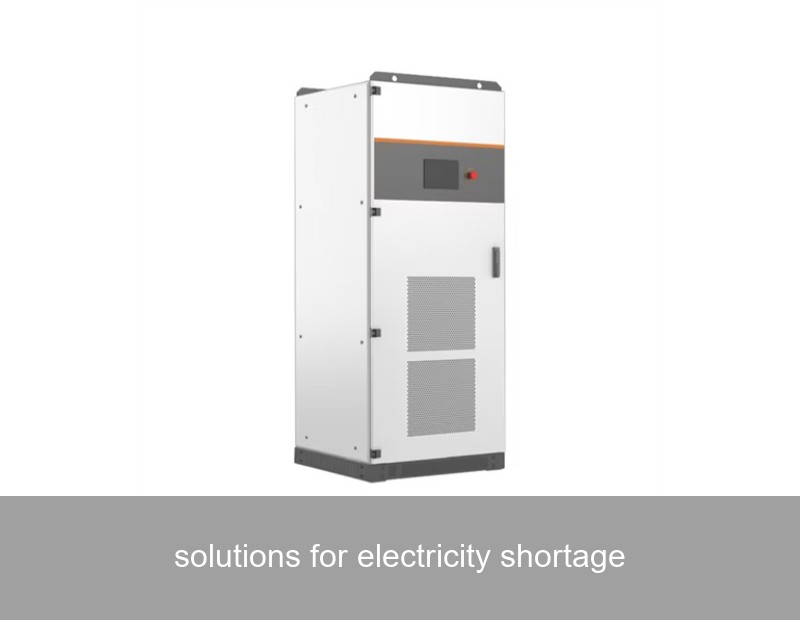
Have you noticed more frequent news reports about grid strain, rolling blackouts, or emergency calls to conserve power? You're not alone. From heatwaves in California to cold snaps in Texas and energy security concerns across Europe, the challenge of ensuring a reliable electricity supply is becoming a global phenomenon. This isn't just about inconvenience; it's a complex issue affecting businesses, communities, and our daily lives. The good news is that the era of passive consumption is over. Today, innovative solutions for electricity shortage are moving beyond traditional grid expansion to smarter, decentralized, and sustainable technologies. At Highjoule, with nearly two decades of experience since 2004, we are at the forefront of this transformation, providing intelligent energy storage systems that turn vulnerability into resilience.
Table of Contents
- The Phenomenon: Why Are Electricity Shortages Happening More Often?
- The Data: Quantifying the Grid's New Reality
- The Case Study: A European Microgrid's Response
- The Core Solution: Battery Energy Storage Systems (BESS)
- Highjoule's Role: Tailored Systems for Every Need
- The Future Grid is Proactive, Not Reactive
The Phenomenon: Why Are Electricity Shortages Happening More Often?
Think of the traditional power grid as a one-way highway. Electricity is generated at large, centralized plants (often far away) and transported over long distances to our homes and factories. This model worked for the 20th century, but it's struggling under 21st-century pressures. First, our demand patterns have changed drastically with the digitalization of everything and the electrification of transport and heating. Second, the integration of renewable energy sources like solar and wind, while essential for a green future, introduces variability—the sun doesn't always shine, and the wind doesn't always blow. This mismatch between supply and demand creates instability. Finally, aging grid infrastructure in many regions simply wasn't built for these new, dynamic loads. The result? A grid more prone to congestion, volatility, and shortages during peak times or extreme weather events.

Credit: Unsplash - Modern Grid Infrastructure
The Data: Quantifying the Grid's New Reality
The numbers paint a clear picture of the stress. According to the U.S. Energy Information Administration (EIA), the U.S. experienced over eight hours of electric power interruptions per customer in 2020, a figure that has been trending upward. In Europe, the geopolitical landscape has sharply highlighted dependency and the need for energy autonomy. A study by Ember Climate underscores the continent's rapid pivot to renewables, but also notes the critical need for flexibility to manage their intermittent nature. Financially, the cost of power outages is staggering. For a commercial facility, an outage can mean tens of thousands of dollars per hour in lost productivity, spoiled inventory, and operational disruption. For critical services like hospitals or data centers, the stakes are immeasurably higher.
| Sector | Potential Cost per Hour of Outage | Primary Risks |
|---|---|---|
| Data Center | $50,000 - $1,000,000+ | Data loss, service disruption, hardware damage |
| Manufacturing Plant | $10,000 - $250,000 | Production halt, equipment damage, missed deadlines |
| Supermarket/Grocery | $5,000 - $50,000 | Spoiled perishables, lost sales, security issues |
| Residential Community | Health & Safety, Comfort | Medical device failure, heating/cooling loss, food spoilage |
The Case Study: A European Microgrid's Response
Let's look at a real-world application. A mid-sized dairy processing plant in Bavaria, Germany, faced a dual challenge: rising energy costs and increasing anxiety about grid reliability during winter peak loads. Their process requires consistent cooling and precise temperatures; a two-hour outage would ruin an entire batch of product, costing over €80,000. Their goal was to achieve greater energy independence and secure their operations.
The Solution Implemented: The facility partnered with Highjoule to design a turnkey microgrid solution. The system integrated:
- A 500 kW rooftop solar PV array.
- A Highjoule HVC-Containerized Battery Storage System with 1 MWh capacity, using lithium iron phosphate (LFP) chemistry for safety and longevity.
- Highjoule's proprietary Energy Management System (EMS) for intelligent control.
The Results: The Highjoule EMS orchestrates the energy flow seamlessly. During the day, solar power runs the plant and charges the batteries. During expensive evening peak periods or grid alerts, the system automatically switches to battery power. In the event of a grid outage, the BESS provides instantaneous backup to critical loads, ensuring production continues uninterrupted. Within the first year, the plant:
- Reduced its grid energy costs by 35% through peak shaving.
- Achieved 70% self-consumption of its solar generation.
- Gained full protection against short-duration outages and significant resilience against longer ones.
- Cut its carbon footprint substantially.
This case exemplifies how modern solutions for electricity shortage are not just about backup; they are about creating smarter, more economical, and sustainable energy ecosystems.
The Core Solution: Battery Energy Storage Systems (BESS)
At the heart of the modern answer to grid challenges is the Battery Energy Storage System. Think of a BESS as a "energy bank" for electricity. It doesn't generate power but stores it when it's abundant and cheap (or when your solar panels are producing), and releases it when it's scarce and expensive or when the grid fails. This capability enables several critical applications that directly address shortages:
- Peak Shaving: Reducing your draw from the grid during expensive peak demand hours, lowering costs and relieving grid stress.
- Backup Power: Providing seamless, instantaneous power during outages, bridging the gap until the grid returns or generators start.
- Renewable Integration: Storing excess solar or wind energy for use when the sun sets or the wind stops, making green power reliable.
- Grid Services: For larger installations, supporting grid stability through frequency regulation and voltage control.
Highjoule's Role: Tailored Systems for Every Need
This is where Highjoule's expertise comes into play. We don't believe in one-size-fits-all solutions for electricity shortage. Since 2004, we have engineered a versatile portfolio of intelligent storage systems designed for scalability and reliability.
For Commercial & Industrial (C&I) clients, our HVC Series of containerized and modular solutions offers utility-scale performance. These systems are engineered for demanding duty cycles, featuring robust thermal management and our advanced EMS for maximum ROI through energy arbitrage and demand charge management.
For Residential and small business applications, the Highjoule Home+ system provides integrated solar storage. It's designed for simplicity, safety, and maximizing self-consumption, giving homeowners control over their energy destiny.
Our flagship Microgrid Controller acts as the "brain" for any hybrid energy project, seamlessly blending solar, storage, generators, and the grid into a resilient, optimized asset. Whether the goal is pure resilience, significant cost savings, or a 100% renewable operation, Highjoule provides the technology and the expertise to make it a reality.

Credit: Unsplash - Industrial Battery System Maintenance
The Future Grid is Proactive, Not Reactive
The trajectory is clear. The future energy landscape will be defined by distributed, intelligent assets that work in harmony. The traditional, centralized "dumb" grid is evolving into a networked, smart grid where every prosumer (producer + consumer) can contribute to stability. Energy storage is the indispensable enabler of this transition. It transforms intermittent renewables into firm, dispatchable resources and turns passive consumers into active grid participants.
Adopting a BESS today is no longer just a contingency plan; it's a strategic business decision for cost control and a foundational element of corporate sustainability strategy. It's about taking ownership of your power profile.
Is your business or community ready to move from being a victim of grid volatility to becoming an architect of your own energy resilience? What would the true cost of your next unexpected power interruption be?
 Inquiry
 Online Chat