


Unlocking the Potential: How Solar Thermal Energy Storage Positions You for Energy Independence
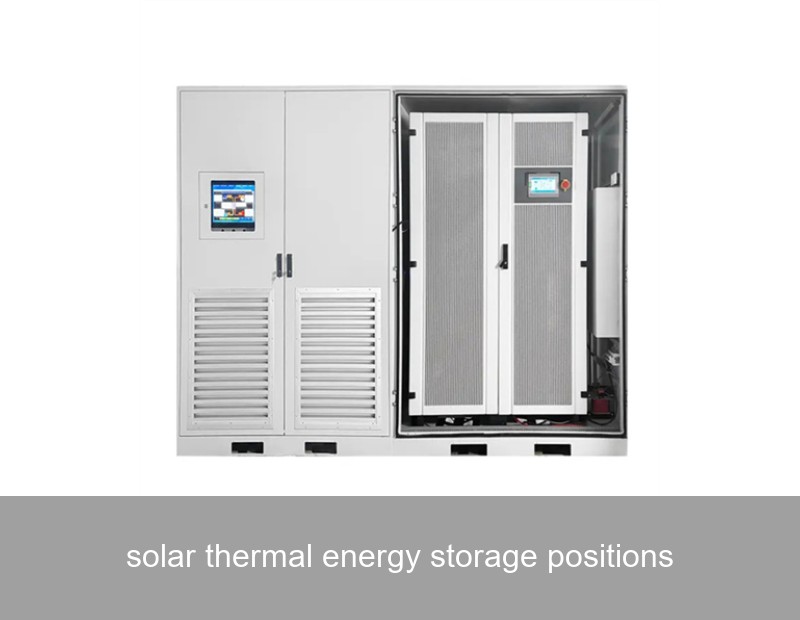
Have you ever watched a perfect, sunny day go to waste? For decades, that's been the paradox of solar power. We capture immense energy when the sun shines, but as demand peaks in the evening or clouds roll in, that potential is lost. This mismatch is the single biggest hurdle to a renewable-powered future. But what if we could bottle the sunshine? That's precisely where solar thermal energy storage positions itself as a game-changing solution. Unlike purely electrical storage, thermal storage captures heat from the sun, holding it for hours or even days to provide dispatchable, reliable energy exactly when needed. For businesses, communities, and forward-thinking homeowners, understanding this technology is key to unlocking true energy resilience and cost control. As a leader in advanced energy storage, Highjoule has been at the forefront of integrating diverse storage technologies, including thermal, to create comprehensive and intelligent power solutions since 2005.
Table of Contents
What is Solar Thermal Energy Storage and Why It Matters Now
Solar thermal energy storage (STES) is a technology that captures heat from the sun—typically using concentrated solar power (CSP) systems or advanced solar collectors—and stores it in a medium like molten salt, heated rocks, or specialized ceramics. This stored thermal energy can later be used to generate electricity via a steam turbine or provide direct heat for industrial processes and district heating. The critical advantage here is duration and scale. While lithium-ion batteries are excellent for short-duration shifts (2-4 hours), thermal storage can economically store energy for 6, 10, or even 24+ hours. This makes it a cornerstone for overcoming the intermittency of renewables. According to the International Renewable Energy Agency (IRENA), long-duration energy storage, including thermal, is essential for achieving high renewable penetration in grids, potentially reducing total system costs.
How It Works: From Sunlight to Stored Heat
The process is elegant in its simplicity. Let's break it down:
- Collection: Mirrors (heliostats) concentrate sunlight onto a receiver, heating a transfer fluid to extremely high temperatures, often exceeding 500°C.
- Storage: This super-heated fluid then passes through a heat exchanger, transferring its energy to a storage medium. Molten salt is a common choice due to its high heat capacity and stability at high temperatures.
- Dispatch: When energy is needed, the process reverses: the hot storage medium is used to create steam, driving a turbine to generate electricity, or the heat is used directly.
This decoupling of collection and use is the superpower of STES. It transforms solar from a variable resource into a predictable, plannable one. For industrial applications, this means being able to run heat-intensive processes 24/7 on solar energy, a previously unimaginable feat.

Image Source: Wikimedia Commons. A concentrated solar power plant, showcasing the scale of solar thermal technology.
Key Positions: Where Solar Thermal Storage Excels in the Modern Grid
So, where does solar thermal energy storage position itself strategically? Its strengths fill critical gaps in the energy landscape:
| Application Area | How STES Positions Itself | Key Benefit |
|---|---|---|
| Utility-Scale Power Generation | Provides bulk, on-demand renewable power to stabilize the grid during evening peaks and overnight. | Grid inertia & decarbonization of baseload power. |
| Industrial Process Heat | Delivers high-temperature, continuous heat for manufacturing, chemical, or food processing plants. | Direct fossil fuel replacement, reducing Scope 1 emissions. |
| District Heating & Cooling | Stores summer solar heat for use in winter, providing sustainable warmth for communities. | Seasonal storage, dramatically improving system efficiency. |
| Hybrid Renewable Microgrids | Complements PV and battery systems by providing long-duration storage, ensuring 24/7 renewable supply for off-grid or critical facilities. | Energy reliability and independence. |
This last point is where Highjoule's expertise becomes crucial. While we are renowned for our advanced battery energy storage systems (BESS) for commercial and residential use, our vision for microgrids and industrial solutions often involves hybridizing technologies. Imagine a microgrid for a remote factory: Highjoule's intelligent controllers can seamlessly orchestrate solar PV for immediate power, battery storage for short-term frequency regulation and peak shaving, and a solar thermal storage system to cover the relentless heat demand for the production line. This holistic, technology-agnostic approach ensures the most robust and cost-effective energy solution.
Real-World Impact: A Case Study from Andalusia, Spain
Let's move from theory to tangible results. The Gemasolar Thermosolar Plant in Fuentes de Andalucía, Spain, is a pioneering example. Commissioned in 2011, it was the world's first commercial-scale CSP plant to use molten salt for both heat transfer and storage.
- Technology: Central tower receiver with 2,650 heliostats, concentrating sunlight onto a receiver atop a 140-meter tower.
- Storage Capacity: 15 hours of full-load thermal storage using molten salt.
- The Result: This storage capability allows Gemasolar to generate electricity for up to 24 hours continuously without sunlight. In its early years of operation, it achieved a milestone by running for 36 consecutive days in 24/7 operation, proving the reliability of solar thermal storage. The plant supplies clean power to approximately 30,000 homes, displacing significant CO2 emissions annually.
This case isn't just historical; it's a blueprint. It demonstrates conclusively how effective solar thermal energy storage positions a renewable asset as a firm, dispatchable power plant—a quality once exclusive to fossil fuels and nuclear. Data from the plant operator, SENER, underscores the engineering success that has informed subsequent projects worldwide.
The Future Market and Highjoule's Integrated Approach
The market for long-duration energy storage is poised for explosive growth, driven by net-zero targets. The U.S. Department of Energy's "Long-Duration Storage Shot" initiative aims to reduce costs by 90% within a decade. In Europe, the push for energy security further accelerates interest in technologies like STES.
At Highjoule, we monitor and integrate these advancements into our client solutions. For a large agricultural processing facility in California, we didn't just propose a massive battery bank. Our analysis showed a significant portion of their energy load was thermal (for drying and processing). Our recommended solution combined a smaller, high-efficiency PV array coupled with Highjoule's BESS for electrical load management, paired with a new-generation modular solar thermal storage system for the heat process. This integrated design, managed by Highjoule's proprietary energy management system (EMS), is projected to cut their gas consumption by over 70% and provide a faster return on investment than a PV-only system could.

Image Source: Unsplash. A modern industrial site, symbolizing the integration of solar and storage technologies.
Our role as a global provider is to be your guide and partner. Whether your need is for a residential powerwall, a grid-supporting BESS for a factory, or a complex hybrid system incorporating thermal storage, we provide the intelligent, efficient, and sustainable power solution tailored to your specific demand profile and goals.
Is Your Energy Strategy Ready for the Next Step?
The energy landscape is no longer just about generating kilowatt-hours; it's about intelligently managing when and how you use them. Solar thermal energy storage positions itself as a powerful tool in this new paradigm, especially for long-duration and high-temperature needs. The question is no longer if these technologies are viable, but how they can be optimally configured for your unique challenges. Have you assessed the thermal load profile of your operations? Could a hybrid storage strategy be the key to achieving your sustainability and resilience targets faster?
 Inquiry
 Online Chat