


Concentrating Solar Power Systems: Illuminating the Path to 24/7 Renewable Energy
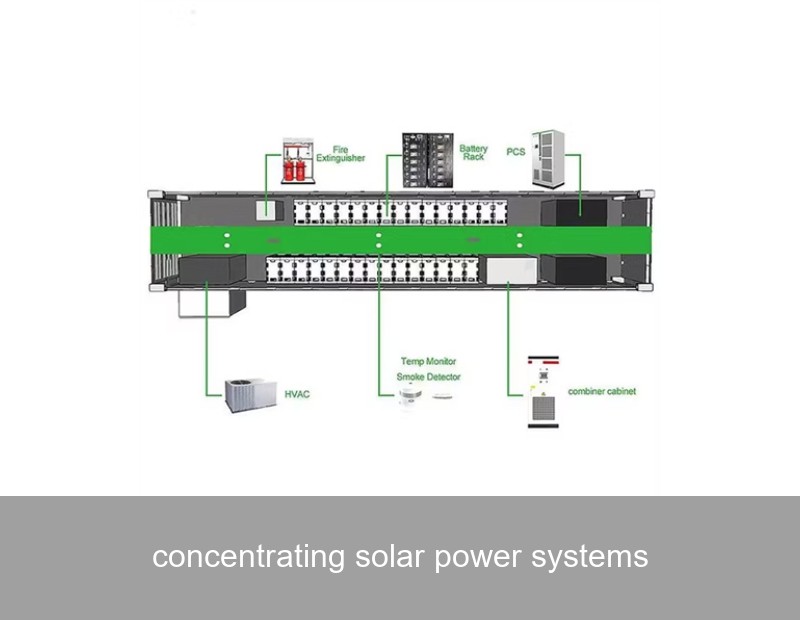
Imagine a power plant that doesn't just capture sunlight, but focuses it with the intensity of a giant magnifying glass, creating heat intense enough to drive turbines and generate electricity even after sunset. This isn't science fiction; it's the practical brilliance of Concentrating Solar Power (CSP) systems. While photovoltaic (PV) panels directly convert sunlight to electricity, CSP takes a different, complementary route. It uses mirrors to concentrate solar thermal energy, storing it as heat to provide dispatchable, reliable power. As the global demand for clean, firm capacity grows, understanding the role of CSP—and how advanced battery storage like that from Highjoule can integrate with it—becomes crucial for a resilient grid.
Table of Contents
How CSP Works: More Than Just Mirrors
At its core, a Concentrating Solar Power system is a sophisticated method of converting sunlight into thermal energy (heat), and then into electricity. The process involves three key steps:
- Concentration: Vast fields of mirrors, called heliostats, track the sun and focus its rays onto a central receiver or through parabolic troughs.
- Heat Collection: This concentrated sunlight heats a specialized fluid (often molten salt or thermal oil) to extremely high temperatures, sometimes exceeding 500°C (932°F).
- Power Generation: The superheated fluid is then used to create steam, which drives a conventional turbine generator, producing electricity.
The real magic, however, lies in what happens next. This design inherently allows for the capture and storage of heat before it's converted to power.

Image: A parabolic trough CSP plant. Source: U.S. Department of Energy (public domain)
CSP vs. PV: A Strategic Partnership, Not a Rivalry
It's a common question: which is better, CSP or solar PV? The more insightful perspective is to see them as complementary technologies. Solar PV excels at delivering low-cost, peak daytime electricity. Its efficiency drops with clouds and plummets to zero at night. CSP, with its integrated thermal storage, shines as a solution for evening peak demand and overnight baseload. Think of PV as the sprinter and CSP as the marathon runner with a built-in energy reserve.
| Feature | Concentrating Solar Power (CSP) | Solar Photovoltaic (PV) |
|---|---|---|
| Primary Output | Heat (converted to electricity) | Direct electricity |
| Inherent Storage | Yes (thermal storage) | No (requires separate batteries) |
| Operational Window | 24/7 possible with sufficient storage | Daylight hours only |
| Grid Role | Dispatchable, firm capacity | Variable, intermittent generation |
The Game-Changer: Thermal Energy Storage
This is CSP's superpower. The heated molten salt can be stored in insulated tanks for hours, even up to 10-15 hours in modern plants. This means the turbine can generate electricity on demand, long after the sun has set. According to the National Renewable Energy Laboratory (NREL), CSP with just 12 hours of storage can achieve capacity factors of 60-80%, rivaling traditional fossil-fuel plants. This transforms solar from an intermittent source into a reliable, grid-stabilizing workhorse.
Global Case Study: CSP Lighting Up the Night in Spain
Let's look at a real-world example. The Gemasolar Thermosolar Plant in Seville, Spain, was a pioneer in proving CSP's round-the-clock potential. Using central tower technology with molten salt storage, it was the first plant to provide 24-hour continuous solar power to the grid.
- Technology: Central Receiver (Power Tower) with 2,650 heliostats.
- Storage Medium: Molten salt (60% sodium nitrate, 40% potassium nitrate).
- Storage Capacity: 15 hours at full load.
- Key Achievement: In 2013, it supplied power continuously for 36 consecutive days, demonstrating unparalleled reliability for a solar asset.
This case isn't just historical; it's a blueprint. It proved that solar could be a firm, dispatchable source, changing the conversation about renewables' limitations. Spain's leadership, as tracked by SolarPACES, showcases the technology's readiness for high-penetration renewable grids.

Image: The iconic Gemasolar plant in Spain. Source: Siemens Energy
The Future is Hybrid: CSP Meets Advanced Battery Storage
While CSP's thermal storage is excellent for long-duration output, the grid also needs rapid response for frequency regulation and to manage short-term fluctuations. This is where the synergy with advanced battery energy storage systems (BESS) becomes a game-changer. A hybrid CSP-BESS plant can use thermal storage for sustained overnight power and use batteries for instantaneous grid services, creating the ultimate renewable power plant.
This is precisely the kind of innovation that drives us at Highjoule. Our GridMaster Pro BESS is engineered for such large-scale, grid-edge applications. With industry-leading cycle life, advanced thermal management, and seamless grid integration controls, it can be co-located with a CSP plant to provide fast-frequency response, black start capability, and further smooth the power output. Imagine a CSP plant that not only runs all night but also acts as a shock absorber for the entire regional grid—that's the hybrid future.
Highjoule's Role in the Concentrated Solar Ecosystem
Since 2005, Highjoule has been at the forefront of intelligent energy storage solutions. While CSP plants master the art of thermal storage, our focus is on electrochemical storage that complements and enhances such renewable giants. For commercial, industrial, and utility-scale partners exploring CSP or hybrid renewable parks, Highjoule provides:
- Integrated Storage Design: We consult on pairing our Commercial & Industrial (C&I) ESS solutions with renewable assets to maximize ROI and grid value.
- Microgrid Controller: Our intelligent platform can manage a complex mix of generation, including CSP, PV, and batteries, as a single, optimized system for off-grid or weak-grid applications.
- Long-Duration Support: For projects requiring beyond lithium-ion duration, we design systems that can bridge the gap between CSP's thermal output and the grid's minute-to-minute needs.
In essence, we see CSP not as competition, but as a vital ally in building a 100% renewable grid. By combining the long-duration strength of CSP with the agility of Highjoule's BESS, developers can offer utilities something priceless: clean, firm, and flexible capacity.
Ready to Explore the Power of Concentration and Storage?
The journey towards a decarbonized grid requires us to use every tool in the box with intelligent synergy. Concentrating Solar Power systems have proven they can carry the load through the night. The next step is integrating them with cutting-edge storage to create the most resilient and responsive clean energy assets possible.
What specific challenge is your community or project facing—is it evening peak demand, grid instability, or the need for fully renewable baseload? How could a hybrid approach of concentrating solar and advanced battery storage provide your solution?
 Inquiry
 Online Chat