


Solar Power Battery Storage Systems: The Key to Unlocking 24/7 Clean Energy
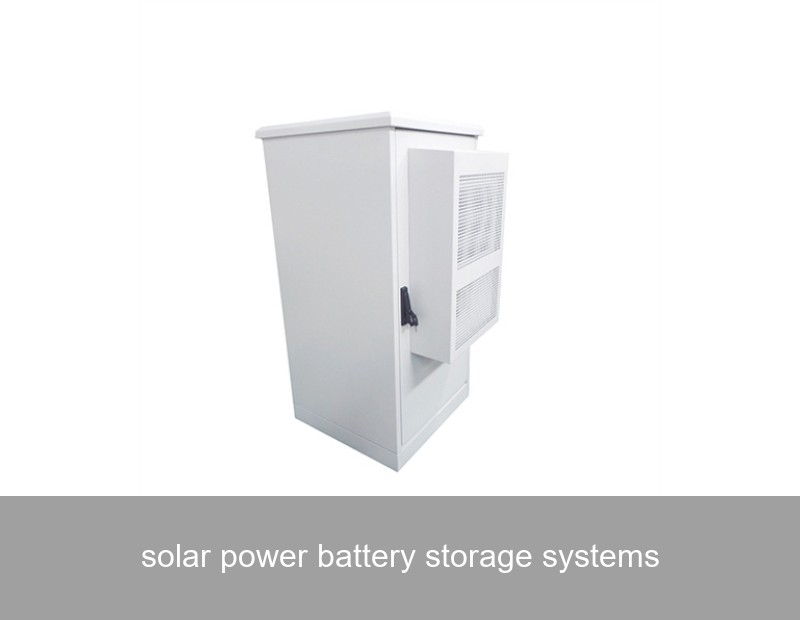
Imagine a world where your home or business is powered by the sun, not just during the day, but around the clock. This isn't a distant future fantasy; it's the reality enabled by modern solar power battery storage systems. For homeowners and businesses across Europe and the US, the combination of solar panels and intelligent battery storage is transforming how we generate, consume, and think about electricity. It's the missing piece that turns intermittent sunshine into a reliable, resilient, and truly independent power source. As a leader in this revolution, Highjoule has been at the forefront since 2005, designing advanced energy storage solutions that make this 24/7 clean energy vision a practical and economical choice for all.
Table of Contents
- The Challenge: Solar Power's "Setting Sun" Problem
- The Solution: How Battery Storage Systems Work
- Key Benefits Beyond Backup Power
- A Real-World Case: The German Factory
- Choosing the Right System: What to Look For
- The Future Horizon: Smarter Grids and New Possibilities
The Challenge: Solar Power's "Setting Sun" Problem
Let's face it: the sun doesn't always shine. This simple fact has been the primary limitation of solar energy. Traditional solar panel setups export excess daytime power to the grid, often at low rates, and draw power back at night or on cloudy days at higher retail prices. This mismatch between production and consumption is more than an inconvenience; it's an economic and logistical hurdle. In regions like California or parts of Southern Europe with high solar penetration, this can even lead to grid congestion, where utilities must curtail (essentially, waste) excess solar generation during peak production hours.
The data is telling. According to the U.S. Department of Energy, solar accounted for over 50% of all new electricity-generating capacity added in the US in early 2023. Yet, without storage, a significant portion of its potential value remains untapped. The question shifted from "how do we generate more solar?" to "how do we store and use solar power on our own terms?"
The Solution: How Solar Power Battery Storage Systems Work
Enter the solar battery storage system. Think of it as a high-tech energy bank for your property. Here's the simple breakdown:
- Capture: Solar panels convert sunlight into direct current (DC) electricity.
- Convert & Store: An inverter converts some power to alternating current (AC) for immediate use. The surplus DC power is sent to charge the battery system.
- Dispatch: When solar production drops (evening, clouds), the stored energy is converted back to AC and powers your home or business seamlessly.

Image: A modern home solar plus storage installation. (Source: Unsplash)
The core of these systems are lithium-ion batteries, similar to those in your laptop but engineered for durability and safety over thousands of charge cycles. The true intelligence, however, lies in the energy management system (EMS). This is the brain that decides when to charge, when to discharge, and when to interact with the grid based on your usage patterns, electricity rates, and even weather forecasts.
Key Benefits Beyond Backup Power
While emergency backup during outages is a major driver, especially in areas prone to wildfires or extreme weather, the advantages of integrating battery storage are profound:
- Maximized Self-Consumption: Use more of the solar energy you produce, sometimes increasing self-consumption rates from 30% to 70% or more.
- Reduced Energy Bills: Avoid purchasing expensive grid power during peak evening hours by using your stored solar energy.
- Grid Services & Revenue: In some markets, aggregated home batteries can provide grid stability services. For commercial users, batteries can participate in demand response programs, generating additional income.
- Increased Energy Resilience: For businesses, this means avoiding costly downtime. For homeowners, it means security and comfort.
- Future-Proofing: As electricity tariffs evolve towards more dynamic time-of-use rates, having a battery puts you in control.
A Real-World Case: The German Manufacturing Facility
Let's look at a concrete example from Bavaria, Germany. A mid-sized automotive parts manufacturer installed a 500 kW solar array on its factory roof. While it covered daytime base load, the high-energy stamping presses, which often ran into the evening shift, still relied heavily on grid power.
In 2022, they partnered with Highjoule to integrate a 750 kWh battery storage system using our commercial H-Series Industrial Stack. The results after one year were compelling:
| Metric | Before Storage | After Storage |
|---|---|---|
| Solar Self-Consumption | 41% | 89% |
| Grid Power Purchased (Peak Hours) | ~175,000 kWh/yr | ~28,000 kWh/yr |
| Annual Energy Cost Savings | Baseline | €68,000 |
| CO2 Emission Reduction | ~210 tons/yr | ~310 tons/yr |
The system paid for itself in under 5 years and now provides a critical layer of power quality protection for sensitive machinery. This case illustrates the transformative economic and operational impact of a well-sized and intelligently managed solar power battery storage system.
Choosing the Right System: What to Look For
Not all battery systems are created equal. When evaluating options, consider these critical factors:
- Power (kW) & Capacity (kWh): Power determines how many appliances you can run at once. Capacity is your total energy "tank size." Your provider should analyze your load profile to size these correctly.
- Depth of Discharge (DoD) & Cycle Life: A battery with a 90% DoD and a 10-year/10,000-cycle warranty offers far more usable energy over its life than one with a 70% DoD.
- Round-Trip Efficiency: This measures how much energy you get back versus what you put in. Look for systems above 90%.
- Scalability and Technology: Can you easily add more batteries later? Highjoule's modular systems, for instance, allow for capacity expansion as your needs grow.
- Integrated Smart Software: The EMS is what unlocks true value. It should be adaptable, user-friendly, and able to receive software updates for new functionalities.
Highjoule's Role in Your Energy Independence
At Highjoule, we don't just sell hardware; we deliver tailored energy security and independence. For nearly two decades, we've engineered our systems to meet the rigorous demands of global markets. Our product suite is designed to cater to every need:
- For Homes (ResiCore Series): Our sleek, wall-mounted systems are designed for quiet operation and easy integration with new or existing solar. The intuitive Highjoule Energy App lets homeowners monitor, control, and optimize their energy flow from anywhere.
- For Businesses & Industry (H-Series): These scalable, containerized or rack-mounted solutions offer robust power for commercial facilities, manufacturing plants, and large offices. They feature advanced grid-interactive capabilities and industrial-grade safety protocols.
- For Microgrids & Utilities (GridMax Series): Our large-scale storage systems are engineered for stability, supporting community microgrids, renewable integration, and utility-scale applications.
What unites all Highjoule systems is a commitment to safety, longevity, and intelligent software that evolves with the energy landscape. Our global service network ensures support wherever you are.

Image: An engineer performing maintenance on a large-scale battery storage system. (Source: Unsplash)
The Future Horizon: Smarter Grids and New Possibilities
The integration of solar power battery storage systems is the cornerstone of the decentralized, digitalized grid of the future. We're moving towards ecosystems where millions of distributed storage units act as a virtual power plant, balancing the grid in real-time. Innovations like vehicle-to-grid (V2G) technology will see electric cars becoming mobile storage units. The International Energy Agency notes that global energy storage capacity is set to multiply exponentially in this decade, driven largely by solar pairing.
This isn't just about technology; it's about empowerment. It's about taking control of your energy costs, your carbon footprint, and your power reliability.
Ready to Explore Your Potential?
The journey to energy independence starts with a clear understanding of your unique energy profile. What would it mean for your monthly bill, your operational resilience, or your sustainability goals to break free from the grid's constraints? We invite you to start the conversation. What's the first question you would ask about making solar work for you, day and night?
 Inquiry
 Online Chat