


Unlocking Energy Independence: Your Guide to AERS Home Energy Storage
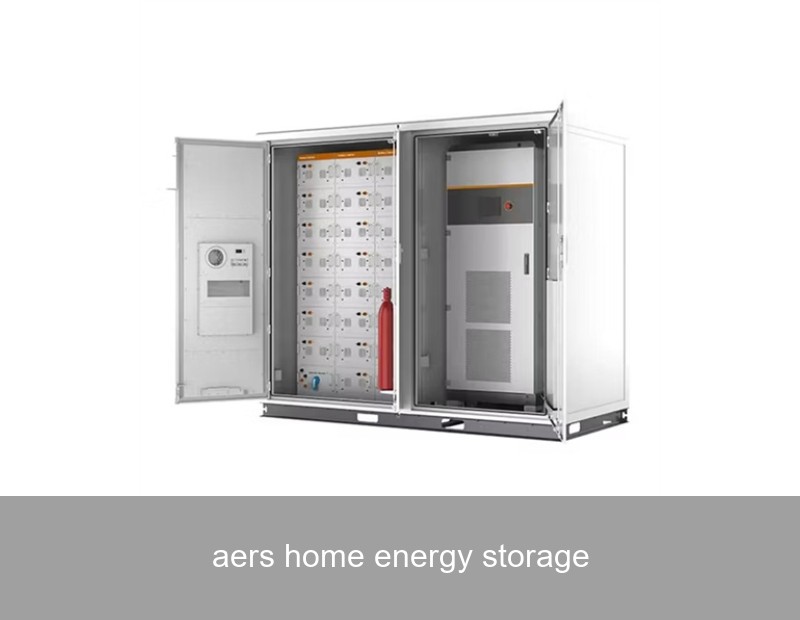
Have you ever watched your electricity meter spin backwards on a sunny afternoon, only to be charged a premium for power that same evening? This common phenomenon is at the heart of the modern energy dilemma. As a homeowner, you're not just a consumer anymore; you're a potential producer. This is where AERS Home Energy Storage (Advanced Energy Reserve Systems) comes in, transforming how we generate, store, and use power. It's the intelligent brain that works with your solar panels, ensuring the clean energy you produce doesn't go to waste but powers your home precisely when you need it most.
Table of Contents
The Problem: Wasted Sun, Rising Bills
you leave for work at 8 AM. Your rooftop solar panels start generating a surplus of energy by 10 AM, feeding it back to the grid. At 6 PM, you return home, start cooking, turn on lights and the TV—right as the sun sets and grid prices peak. You end up buying back expensive energy, while the clean, cheap energy you produced was sold at a lower rate. It's a frustrating cycle. Traditional solar-only setups are incomplete; they lack a crucial component for true energy autonomy: a battery. This mismatch between solar production and household consumption patterns is the fundamental challenge AERS solutions are designed to solve.
The Data: Why Storage is the Missing Link
The numbers paint a compelling picture. According to the U.S. Department of Energy's Solar Futures Study, solar could provide up to 40% of the nation's electricity by 2035, but this hinges on significant advances in energy storage. In Europe, with volatile energy prices, the economic argument is even stronger. A typical home battery system can increase self-consumption of solar power from 30% to 70% or more. That means more of the energy you produce is used directly in your home, slashing your reliance on the grid and protecting you from price surges. It's not just about savings; it's about stability. During grid outages, which have increased in frequency in regions like California and parts of Europe, a home with storage becomes a safe, powered haven.
The Solution: How AERS Home Energy Storage Works
Think of an AERS system as your home's personal energy reservoir. It's a sophisticated, integrated unit that typically includes a lithium-ion battery pack, a power inverter, a management system, and safety components. Here’s the simple breakdown:
- Capture: Your solar panels generate DC (direct current) electricity.
- Convert & Store: Excess energy, instead of going to the grid, is converted and stored in the battery system.
- Manage: An intelligent energy management system (EMS) learns your habits. It decides when to store, when to power your home, and when to sell back to the grid if it's financially advantageous.
- Dispatch: When the sun goes down or the grid fails, the system seamlessly switches to battery power, keeping your essential loads running.
This is where companies with deep expertise, like Highjoule, make a critical difference. Founded in 2005, Highjoule has pioneered intelligent storage solutions that go beyond just a battery in a box. Their HelioSphere Home series is a prime example of integrated AERS technology. It combines high-density, long-life lithium iron phosphate (LiFePO4) batteries with an AI-driven EMS that can optimize for self-consumption, time-of-use rates, or backup preparedness. The system's modular design allows homeowners to start with a capacity that fits their budget and expand later—a future-proof approach to home energy.

Image: A modern home integrating solar and storage. Source: Unsplash
Case Study: A Real Family's Journey to Resilience
Let's look at the Miller family in Bavaria, Germany. In 2022, they had a 8 kW solar array but were only using about 35% of its output directly. Frustrated by rising grid fees and seeking backup power for their rural home, they installed a 10 kWh Highjoule HelioSphere Home system.
| Metric | Before AERS | After AERS Installation |
|---|---|---|
| Solar Self-Consumption | ~35% | ~85% |
| Grid Electricity Purchased | 4,200 kWh/year | 900 kWh/year |
| Estimated Annual Savings | — | €1,150+ |
| Backup Power During Outages | 0 hours | Essential loads for 24+ hours |
"The peace of mind is priceless," says Mrs. Miller. "During a recent storm-induced blackout, our lights stayed on, the fridge kept running, and we could even work from home. The system paid for itself faster than we expected, and we feel in control of our energy." This case highlights the dual value proposition: tangible financial returns and intangible resilience.
Making the Right Choice: Key Features to Consider
Not all AERS systems are created equal. As you explore your options, here are the critical features to evaluate:
- Battery Chemistry: LiFePO4 (like Highjoule uses) is renowned for safety, longevity (often over 6,000 cycles), and performance across a wide temperature range.
- Power & Capacity: Understand the difference. Capacity (kWh) is how much energy is in the "tank." Power (kW) is how fast you can use it. Ensure the system can handle your peak home loads.
- Depth of Discharge (DoD): A 90%+ DoD means you can safely use almost all the battery's stored energy without damaging it.
- Integration & Smart Management: Can it integrate with your existing solar? Does it have a user-friendly app for monitoring and control? Highjoule's platform, for instance, provides real-time insights and allows for custom operating modes.
- Scalability: Can you add more battery modules later as your needs grow (e.g., adding an electric vehicle)?
- Warranty & Support: Look for a strong warranty (e.g., 10 years) and a provider with a proven global service network.

Image: Smart energy management via a monitoring app. Source: Unsplash
Your Home, Your Grid: The Future is Modular
The concept of the home is evolving from a passive energy consumer to an active node in a decentralized energy network. With technologies like AERS Home Energy Storage, your house becomes a microgrid. In the near future, communities with aggregated home storage could form virtual power plants (VPPs), providing stability to the main grid and creating new revenue streams for homeowners. Companies like Highjoule are already working on such grid-service functionalities, positioning their HelioSphere systems not just as household appliances, but as contributors to broader grid resilience and the renewable energy transition. The International Energy Agency (IEA) consistently underscores storage as the key enabler for this shift.
So, the question isn't just about whether you need solar panels anymore. It's about whether you're ready to capture the full value of the energy you create. What would you power first to bring security and savings to your home?
 Inquiry
 Online Chat