


Solar Panels in Hong Kong: A Smart Energy Solution for a Dense Metropolis
When you think of solar energy, you might picture vast fields of panels under a desert sun. But what about a vertical city like Hong Kong, with its iconic skyline and limited rooftop space? The truth is, the adoption of solar panels in Hong Kong is not just a possibility; it's a growing, intelligent response to unique energy challenges. High energy costs, a commitment to sustainability, and innovative technology are converging to make solar power a viable and strategic choice for businesses and homeowners in the Fragrant Harbour. This article explores the "why" and "how" of solar energy in this dense urban environment and introduces the advanced solutions making it a reality.
Table of Contents
The Urban Energy Challenge: Why Hong Kong Needs Solar
Hong Kong's energy landscape is fascinating. As a global financial hub, its electricity demand is immense and constant. However, the city lacks natural energy resources and relies heavily on imported fossil fuels. This creates two core issues: high and volatile electricity prices and a significant carbon footprint. Furthermore, the urban density means traditional, large-scale renewable farms aren't an option. So, where does the solution lie? On the very buildings that define the city—rooftops, facades, and even sound barriers along highways.
The Hong Kong government's Climate Action Plan 2050 targets net-zero carbon emissions, with solar playing a crucial part. Initiatives like the Feed-in Tariff (FiT) scheme allow solar system owners to sell renewable energy back to the grid at a favorable rate, creating a financial incentive. The phenomenon is clear: Hong Kong is turning its spatial constraints into an opportunity for distributed, on-site generation.
Beyond the Obvious: The Data and Potential
You might question Hong Kong's solar potential given its reputation for humidity and occasional smog. The data tells a different story. According to a study by the Hong Kong Polytechnic University, the city receives an average of 1,700 to 1,900 hours of sunshine annually. Modern photovoltaic (PV) panels are highly efficient, capable of generating significant power even on cloudy days and from indirect light.
Let's break down the practical potential:
| Surface Type | Estimated Area Available | Solar Generation Potential* |
|---|---|---|
| Government & Public Facility Rooftops | Over 10 million sq. meters | ~500 GWh/year |
| Residential & Commercial Building Rooftops | Massive, but fragmented | Significant, site-dependent |
| Offshore & Reservoir-based Systems | Pilot projects underway | High future potential |
*Illustrative estimates based on public reports.
The logic is compelling: utilize underused vertical and horizontal spaces to generate clean power, reduce grid dependency, and stabilize energy costs. The challenge shifts from "if" it's possible to "how" to implement it most effectively.

Image: Solar installations on Hong Kong rooftops are a growing trend. Source: Unsplash (Representative Image)
Case Study: A Hong Kong Industrial Building's Success Story
Let's move from theory to a real-world example. A mid-sized textile manufacturing company in Tsuen Wan operated multiple shifts, with high daytime electricity consumption for machinery and air conditioning. Their electricity bills were a major operational cost, and grid power outages, though rare, posed a risk to production.
The Solution: The company installed a 200 kW rooftop solar PV system across its 1,800 square meter roof. Crucially, they paired it with a 250 kWh battery energy storage system (BESS).
The Data-Driven Outcome (First Year):
- ~35% Reduction in Daytime Grid Electricity Draw: Solar panels directly powered machinery during peak sun hours.
- FiT Revenue: Excess energy not used immediately was stored in the BESS. Surplus beyond that was sold to the grid via the FiT scheme, creating an annual revenue stream.
- Backup Power: The BESS provided 2 hours of critical backup for lighting and IT systems during a scheduled grid maintenance, avoiding work stoppage.
- Estimated ROI Period: 6-8 years, after which the energy produced is essentially free, protecting against future tariff hikes.
This case highlights that solar panels in Hong Kong are most powerful when integrated with storage. It transforms a simple generation asset into a smart, resilient, and financially optimized energy system.
The Missing Key: Intelligent Energy Storage
This brings us to the most critical insight for urban solar: generation alone is not enough. Solar power is intermittent. What happens at night, during a typhoon, or when the grid demand is highest but the sun is setting? Without storage, you're forced to export all excess at a fixed rate and import expensive grid power when you need it most.
An intelligent battery storage system changes the entire equation. It allows you to:
- Time-Shift Energy: Store cheap solar energy produced at noon and use it during the expensive evening peak.
- Enhance Self-Consumption: Maximize the use of your own solar power, improving economics beyond just the FiT.
- Provide Resilience: Ensure a seamless power supply for critical loads during grid outages.
- Support the Grid: Advanced systems can provide grid services, potentially opening future revenue streams.
This is where the expertise of a global technology provider becomes essential. The battery's chemistry, management software, and system integration determine its safety, longevity, and return on investment.
Highjoule's Role: Tailored Solutions for Hong Kong
At Highjoule, with nearly two decades of experience since 2005, we understand that every rooftop in Hong Kong presents a unique set of constraints and opportunities. Our approach is not just to sell solar panels or batteries, but to deliver intelligent, integrated power solutions.
For commercial and industrial clients in Hong Kong, we offer:
- High-Density Energy Storage: Our H-Ion Series BESS features lithium iron phosphate (LFP) battery chemistry, renowned for its exceptional safety and long cycle life—a critical factor in dense urban environments. Its compact footprint maximizes energy storage in limited spaces.
- AI-Powered Energy Management (AEGIS): Our proprietary software is the brain of the system. It learns your energy consumption patterns, weather forecasts, and tariff schedules to autonomously optimize when to charge, discharge, or export energy, ensuring every kilowatt-hour delivers maximum value.
- End-to-End Project Delivery: From initial site assessment and regulatory compliance (including CLP/HKE FiT applications) to engineering, installation, and long-term monitoring, we provide a seamless turnkey service.
For a residential tower or a microgrid application, our scalable solutions ensure that whether you're a facility manager or a building owner, you have a reliable partner in your energy transition.

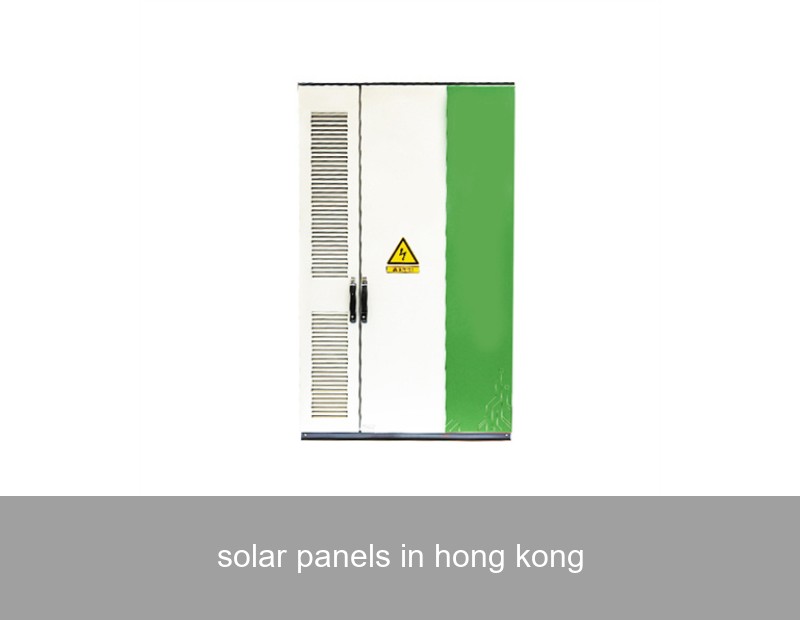
Image: Advanced battery storage systems, like Highjoule's H-Ion Series, are key to maximizing solar investment. Source: Unsplash (Representative Image)
Considering Solar for Your Hong Kong Property?
The journey towards energy independence in Hong Kong starts with the right questions. What is your current daytime consumption profile? What is the condition and load-bearing capacity of your roof? How do you plan to manage energy during non-sunny hours? The integration of solar panels in Hong Kong with a smart storage system is a sophisticated but highly rewarding investment.
What specific energy challenge in your Hong Kong building or business keeps you up at night—is it unpredictable costs, sustainability goals, or the need for uninterrupted power? Let's explore how a tailored solar-plus-storage solution can address it.
 Inquiry
 Online Chat