


Maximizing Solar Panel Energy Generation: A Guide to Smarter Power
If you've invested in solar panels, or are considering it, you're likely focused on one primary metric: solar panel energy generation. It's the lifeblood of your system, the number on your monitor that tells you how much clean, free power you're harvesting from the sun. But what if we told you that simply counting kilowatt-hours (kWh) is only half the story? True energy independence and financial return come not just from generating solar power, but from mastering its use. Let's explore how modern technology is transforming raw generation into reliable, intelligent energy.
The Generation Gap: When the Sun Doesn't Shine
The fundamental challenge of solar power is its inherent intermittency. Solar panel energy generation peaks in the middle of a sunny day, often when household or business demand is relatively low. In the evening, when demand spikes, generation falls to zero. This creates a "generation gap."
Traditionally, this gap was filled by drawing power from the grid. But with rising electricity prices and grid instability in many regions, this model is becoming less economical and less reliable. The key data point to understand here is the self-consumption rate—the percentage of the solar energy you generate that you use directly on-site. Without storage, a typical home might only use 30-50% of its solar generation directly, exporting the rest, often at a lower price than grid electricity.
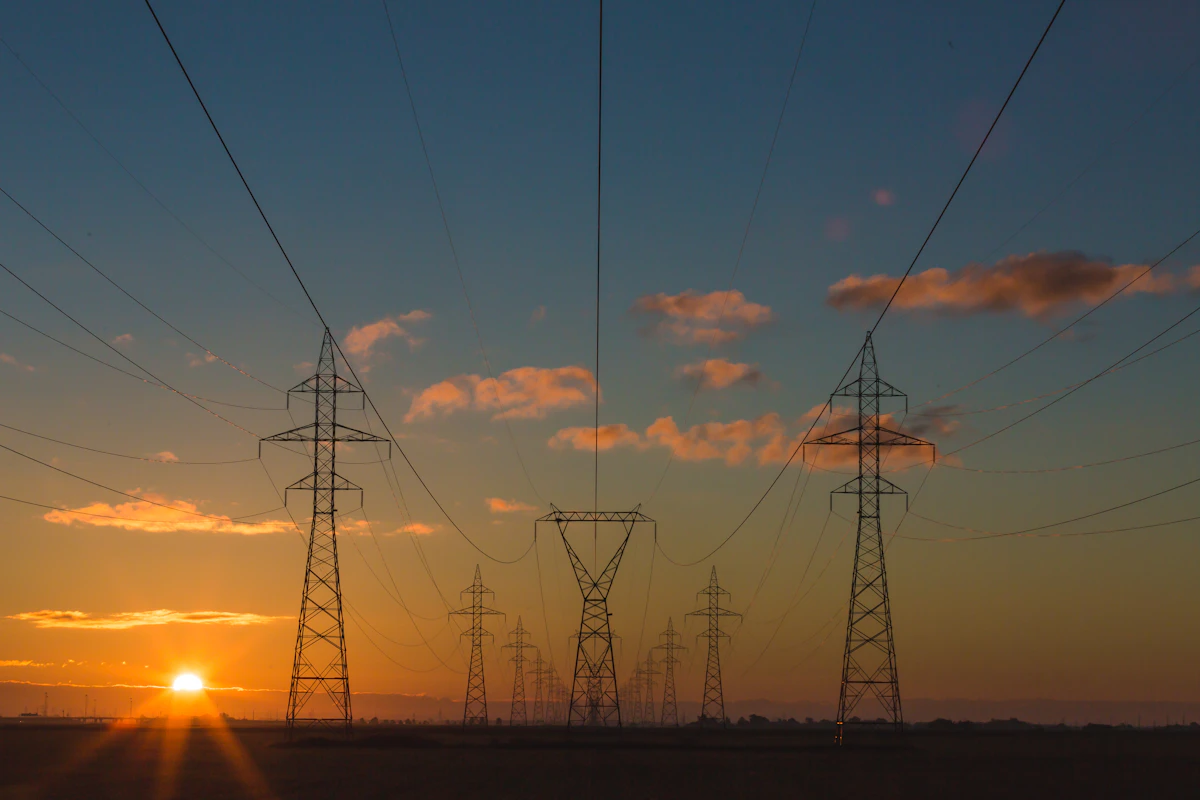
Image Source: Unsplash - Illustrating the sunset generation gap.
The Data Behind the Curve
According to the U.S. Department of Energy, solar power accounted for over 50% of all new electricity-generating capacity added in the U.S. in Q1 2023. This explosive growth makes the storage and management of that power a critical next-step infrastructure need. In Europe, grid service operators are increasingly implementing tariffs and fees designed to discourage simple export and encourage self-balancing, making smart storage a financial imperative.
Beyond Kilowatt-Hours: The True Measure of Solar Value
So, if total kWh generated isn't the full picture, what is? We propose a new framework:
- Energy Autonomy (%): The portion of your total energy needs met by your own solar+storage system.
- Grid Independence (hours): How long you can power critical loads during an outage.
- Financial Optimization ($): Maximizing savings through peak shaving, time-of-use arbitrage, and optimized export.
This is where advanced energy storage systems (ESS) transition from an optional add-on to the core component of a modern solar installation. A high-quality ESS acts as a buffer, storing excess midday generation for use during the evening peak or a grid outage.
Case Study: A German Bakery's Recipe for Energy Independence
Let's look at a real-world example from Bavaria, Germany. Bäckerei Schmidt (a pseudonym for a real customer) is a medium-sized artisan bakery with high energy demands for ovens, refrigeration, and lighting. Their 100 kW rooftop solar array generated ample energy, but their consumption pattern was misaligned—they baked at night and early morning.
| Metric | Before (Solar Only) | After (Solar + Highjoule ESS) |
|---|---|---|
| Self-Consumption Rate | 35% | 85% |
| Grid Import During Peak Hours | ~80 kWh/day | ~5 kWh/day |
| Estimated Annual Energy Cost Savings | Base | €12,400 |
| Backup Power for Critical Loads | 0 hours | Up to 10 hours |
The solution was a Highjoule H4 Commercial Energy Storage System with 120 kWh capacity and integrated energy management software. The system was programmed to prioritize charging from excess solar, then discharge strategically during the early morning bake cycle and evening peak rate period. The bakery now operates mostly "behind the meter," protected from grid volatility and power outages that could spoil inventory.
The Highjoule Approach: Intelligent Energy Orchestration
At Highjoule, founded in 2005, we view solar panel energy generation as the first note in a symphony. Our advanced storage systems and AI-driven Highjoule Energy Operating System (EOS) are the conductor and orchestra, turning that note into a harmonious, resilient, and cost-effective energy flow.
Our product suite is designed to elevate your solar investment:
- H-Series Residential Systems: Scalable battery storage (5-30 kWh) that seamlessly integrates with new or existing solar arrays. Our systems feature safe, long-life lithium iron phosphate (LFP) chemistry and are designed for easy installation and maintenance.
- H4 Commercial & Industrial (C&I) Systems: Modular, containerized solutions from 100 kWh to multi-MWh scales. These systems are engineered for demanding duty cycles and can be configured for peak shaving, demand charge reduction, and microgrid formation.
- Highjoule EOS Software: The intelligent brain. It learns your consumption patterns, integrates weather forecasts, and adapts to real-time grid conditions (where available) to autonomously optimize your energy decisions for maximum savings and resilience.
We don't just sell hardware; we provide a complete, intelligent power solution that ensures every kilowatt-hour your panels generate is used to its maximum potential.

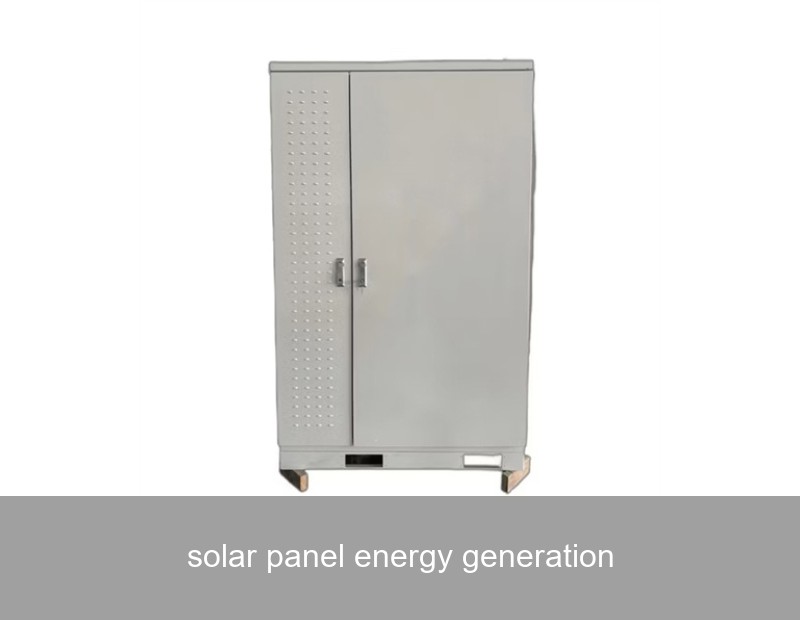
Image Source: Unsplash - Example of a modern home energy storage unit.
Future Horizons: What's Next for Solar Energy Generation?
The future of solar is not just about more efficient panels (though that continues, as noted by research from the National Renewable Energy Laboratory). It's about deeper integration with the built environment and the grid. Think vehicle-to-grid (V2G) integration, where your EV battery becomes part of your home's storage, or community microgrids where neighborhoods share and balance solar resources. The next frontier is moving from individual solar panel energy generation systems to interconnected, intelligent energy ecosystems.
As grid dynamics evolve, the ability to actively manage your energy footprint will become a significant asset. Will your solar installation be a passive generator, or an active, intelligent node in a new energy network? The choice you make in storage and management technology today will define your role in that future.
Ready to Transform Your Solar Generation into a 24/7 Power Asset?
What's the first question you should ask when evaluating an energy storage system for your solar panels? Is it about capacity, price, or something deeper—like how it will adapt to your changing life and the evolving grid over the next 15 years? We invite you to consider what true energy independence means for you.
 Inquiry
 Online Chat