


Demystifying the 3 kVA Solar System Price: Your Path to Energy Independence
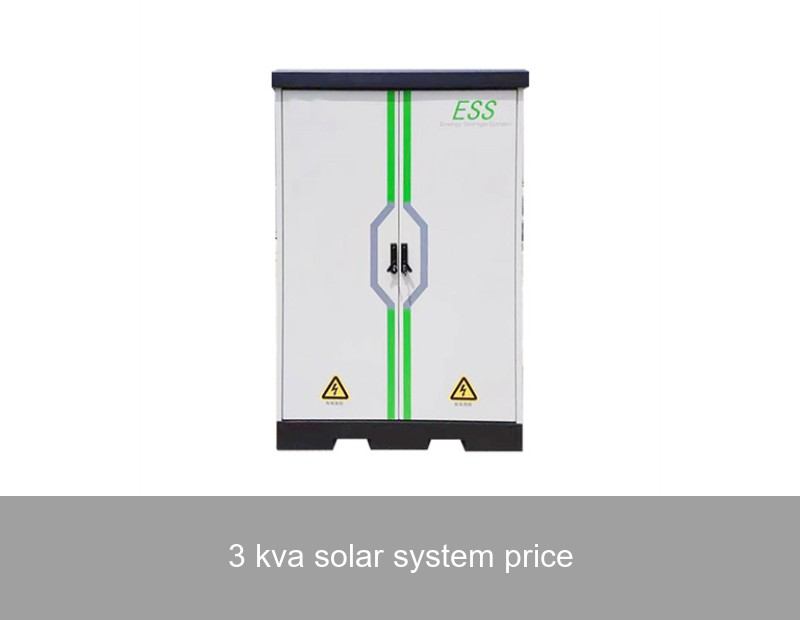
If you're a homeowner in Europe or the US researching solar power, you've likely encountered the term "3 kVA solar system price" in your search. It's a common entry point, but that number alone can be misleading. Is it just for the panels? Does it include a battery? What about installation? The initial quote is just one piece of the puzzle. In this guide, we'll peel back the layers on what truly determines the cost and value of a 3 kVA solar system, transforming a simple price inquiry into a roadmap for long-term energy savings and resilience.
The Real Price of Power: A 3 kVA System Cost Breakdown
Let's start by clarifying: "kVA" (kilovolt-ampere) is often used interchangeably with "kW" (kilowatt) for residential solar systems. A 3 kVA system is typically a 3 kW system, designed to be a robust solution for an average home with moderate energy consumption. The total 3 kVA solar system price isn't a single item cost; it's a package deal influenced by several key components.
- Solar Panels: The heart of the system. Prices vary by efficiency (monocrystalline is premium), brand, and warranty. For a 3 kW system, you'll need around 8-10 panels.
- Inverter: The brain. This converts DC solar power to usable AC power for your home. A standard string inverter is cost-effective, while microinverters (one per panel) optimize performance, especially on shaded roofs, at a higher initial cost.
- Mounting & Hardware: The skeleton. This includes rails, clamps, and wiring. Quality here ensures your system withstands decades of weather.
- Energy Storage (Battery): The game-changer. While optional, adding a battery like the Highjoule HomePower transforms your system. It stores excess daytime energy for use at night, dramatically increasing self-consumption and providing backup power during outages. This is a significant but valuable addition to the base price.
- Installation & Permits: Professional installation, local permits, and grid connection fees are crucial and must be factored in.
So, what's the ballpark? In markets like Germany or California, a 3 kW solar system without a battery can range from €6,000 to €9,000 (or $7,000 to $11,000) fully installed, depending on component quality and local labor rates. Adding a capable battery system can increase this investment by €4,000 to €8,000 or more. Remember, government incentives like the US Investment Tax Credit (ITC) or various European subsidies can reduce this net cost by 20-30% or more.
From Bill Shock to Bill Savings: A German Household Case Study
Let's move from theory to reality with data from a real project. The Müller family in Freiburg, Germany, faced rising electricity costs and wanted to reduce their carbon footprint. Their annual consumption was 4,200 kWh.
They installed a 3.2 kWp solar system with a 5 kWh lithium-ion battery. Here’s the impact after one year:
| Metric | Before Installation | After Installation |
|---|---|---|
| Annual Electricity Bill | €1,450 | €320 |
| Grid Electricity Purchased | 4,200 kWh | 850 kWh |
| Self-Consumption Rate | 0% | 78% |
| CO2 Emissions Avoided | - | Approx. 1.8 tonnes |
Their total investment was €13,500. After claiming the local incentive, the net cost was around €10,000. With annual savings of €1,130, their simple payback period is under 9 years. For the system's 20+ year lifespan, that's over a decade of nearly free electricity and security. This case shows how the 3 kVA solar system price is better viewed as a long-term investment with a compelling return, not just an expense.

Image Source: Unsplash - A typical residential solar installation.
Looking Beyond the Price Tag: Quality & Intelligence Matter
Choosing the cheapest quote can be tempting, but in solar, you often get what you pay for. Two critical factors beyond the initial 3 kVA solar system price are:
- Component Quality & Warranty: Tier-1 panels with 25+ year performance warranties and inverters with 10+ year warranties are essential. A cheap panel that degrades faster will produce less energy over time, negating the "savings."
- System Intelligence: Can your system learn your habits? Can it prioritize charging your EV with solar excess? Smart energy management is what maximizes your return on investment.
The Highjoule Difference: Smart, Integrated Energy Solutions
This is where Highjoule's expertise, honed since 2005, transforms a standard solar setup into a future-proof energy asset. We don't just sell components; we provide integrated, intelligent systems.
For a homeowner considering a 3 kVA-scale system, our Highjoule HomePower Series is a perfect fit. It's a modular battery storage solution that seamlessly pairs with solar panels. What makes it unique is the Highjoule Energy Operating System (EOS). This AI-driven platform doesn't just store energy; it optimizes it. It learns your household's energy patterns, weather forecasts, and local utility rate schedules to automatically decide when to store solar power, when to use it, and even when to sell back to the grid at the most profitable times.
Think of it as a personal energy manager working 24/7 to squeeze every cent of value from your 3 kVA solar system. This intelligence ensures that the price you pay delivers the maximum possible financial and practical return, enhancing your home's resilience and independence.

Image Source: Unsplash - A modern home battery storage unit.
Your Energy Independence: How to Make the Right Decision
So, how do you navigate from a simple Google search on "3 kVA solar system price" to a confident purchase?
- Audit Your Usage: Review your last 12 months of electricity bills. Know your kWh consumption and peak usage patterns.
- Get Holistic Quotes: Request detailed quotes that separate hardware, software, installation, and warranties. Ask about integration with future additions like EV chargers.
- Prioritize Storage: Seriously consider including a battery from the start. It future-proofs your system against blackouts and maximizes self-use, a trend supported by U.S. Department of Energy research on the benefits of solar-plus-storage.
- Evaluate the Software: Inquire about the energy management platform. A system with smart controls, like Highjoule's EOS, will outperform a "dumb" system year after year.
Final Thoughts: It's More Than a Price, It's a Partnership
The journey to energy independence is exciting. While the initial 3 kVA solar system price is an important figure, the true value lies in the decades of clean, affordable, and reliable power it provides. By focusing on quality components, intelligent management, and a provider with deep expertise like Highjoule, you're investing in a long-term solution, not just installing hardware.
What specific energy goal is driving your search for solar power today—is it total energy independence, backup security during storms, or simply taking control of a rising monthly bill?
 Inquiry
 Online Chat