


Finding the Right "Solar Panel 120v for Sale": Your Guide to Efficient, Safe Power
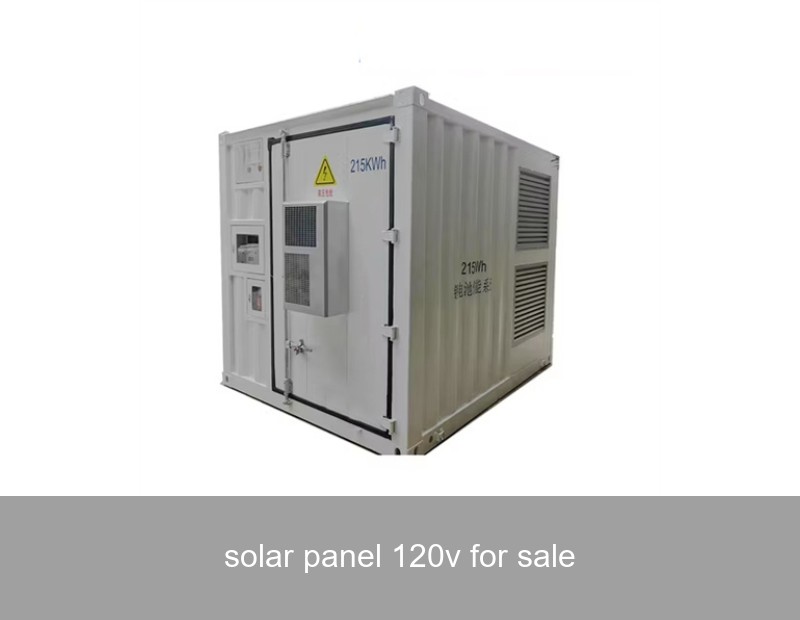
Searching for "solar panel 120v for sale" is a common starting point for many homeowners and business owners looking to harness the sun's power. It reveals a practical goal: to generate usable, standard household voltage directly. However, the journey from a single solar panel to reliable, safe 120-volt AC power for your home or business involves more than just a panel purchase. It's about understanding the complete system that transforms sunlight into a stable, efficient, and intelligent energy source. As a global leader in advanced energy storage and management, Highjoule has been engineering such integrated solutions since 2005, ensuring that the quest for solar power results in true energy independence and sustainability.
Table of Contents
The 120V Misconception: Panel vs. System
Let's clear up a fundamental technical point. When you see "solar panel 120v for sale," it's crucial to understand that an individual photovoltaic (PV) panel does not output 120 volts of alternating current (AC), which is the standard for North American homes. A typical residential solar panel produces direct current (DC) electricity at a voltage that is usually in the range of 30 to 40 volts. This DC power must be converted to 120V/240V AC to safely run your appliances, lights, and devices. This is where the critical balance of system (BOS) components come into play. Focusing solely on the panel voltage is like buying a car engine and expecting a full vehicle—you need the transmission, wheels, and controls to make it functional and road-legal.
Key Components Beyond the Panel
To achieve that ready-to-use 120V AC power, a complete solar energy system requires intelligent integration of several key components:
- Solar Panels (The Generators): These capture sunlight. Efficiency, durability, and warranty matter more than a misleading voltage label.
- Inverter (The Heart): This is the indispensable device that converts the DC electricity from your panels into clean 120V/240V AC electricity. Modern systems often use module-level power electronics (MLPEs) like microinverters or DC optimizers for better performance and safety.
- Energy Storage (Your Power Bank): A battery system, like Highjoule's H-Series Commercial and Residential Battery Units, stores excess solar energy for use at night, during peak rate periods, or during grid outages. This turns a solar system from a daytime supplement into a 24/7 power solution.
- Energy Management System (The Brain): This intelligent software, such as the Highjoule Smart Energy Hub, orchestrates the flow of energy between solar panels, batteries, the grid, and your home's circuits. It maximizes self-consumption, reduces costs, and ensures system health.
- Mounting, Wiring, and Safety Gear: The physical infrastructure that ensures a secure, code-compliant, and long-lasting installation.
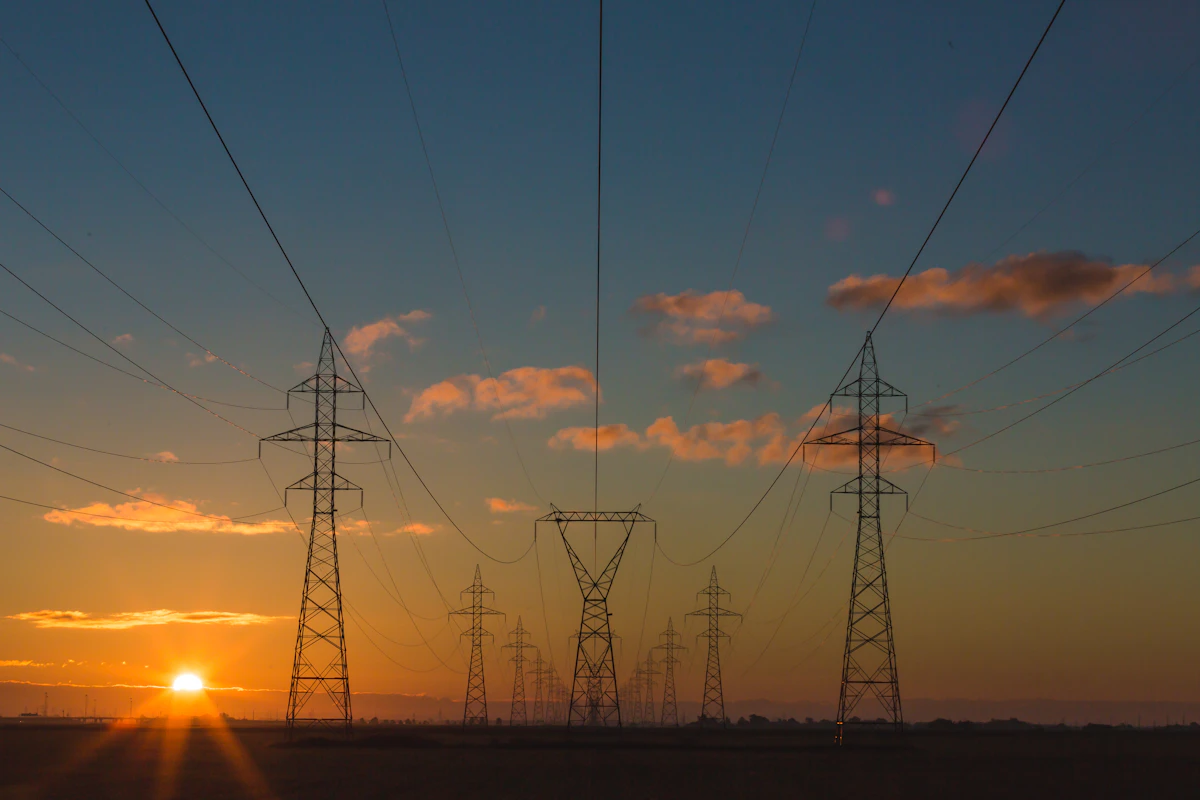
Image: A complete residential solar installation requires panels, an inverter, and proper mounting. (Photo by Vivint Solar on Unsplash)
Why System Design Trumps a Single Panel Purchase
Purchasing individual "120v" panels piecemeal often leads to suboptimal performance, potential safety hazards, and voided warranties. Professional system design considers:
| Design Factor | Why It Matters |
|---|---|
| Roof Orientation & Shading | Maximizes annual energy yield, not just peak power. |
| Local Climate & Regulations | Ensures durability and compliance with local building and utility codes. |
| Household Energy Profile | Sizes the system and storage to match your actual consumption patterns. |
| Future-Proofing | Allows for adding storage or electric vehicle charging later. |
A well-designed system, like those provided by Highjoule, is engineered as a cohesive unit. Our IntelliGrid Microgrid Solutions for commercial sites take this further, integrating large-scale solar arrays with massive battery storage and advanced grid-interactive controls, creating self-sufficient energy ecosystems.
Real-World Impact: A Case Study from California
Consider the case of a mid-sized winery in Sonoma County, California. Their goal wasn't just to buy panels; it was to reduce crippling peak demand charges, ensure uninterrupted refrigeration, and enhance sustainability credentials.
- Challenge: High grid demand charges spiked operational costs. Brief grid outages threatened temperature-controlled storage.
- Solution: Highjoule designed and deployed a 250 kW solar array coupled with a 500 kWh H-Series Battery Energy Storage System (BESS) managed by our proprietary energy management platform.
- Data & Results (First Year):
- Energy Bill Reduction: 65% reduction in overall electricity costs, primarily by shaving peak demand.
- Self-Consumption: 92% of solar energy used on-site, thanks to intelligent battery dispatch.
- Reliability: Provided seamless backup power for critical loads during two planned utility safety shutoffs.
- ROI: Projected payback period of under 6 years, factoring in state incentives (California Energy Commission).
This case illustrates that the real value is created not by panels alone, but by their integration with smart storage and controls.
The Highjoule Approach: Intelligent Integration
Since 2005, Highjoule's philosophy has centered on delivering not just components, but intelligent, efficient, and sustainable power solutions. For residential and commercial clients in Europe and the US, this means:
- Tailored System Architecture: We don't sell generic "120v panels." We design systems optimized for your specific site, goals, and local utility landscape.
- Storage-First Mindset: Our core expertise in advanced battery systems ensures your solar investment is fully leveraged, moving beyond simple net metering.
- Grid Services & Resilience: Our systems can participate in grid-balancing programs (where available) and provide critical backup power, a feature whose value is recognized globally (IEA).
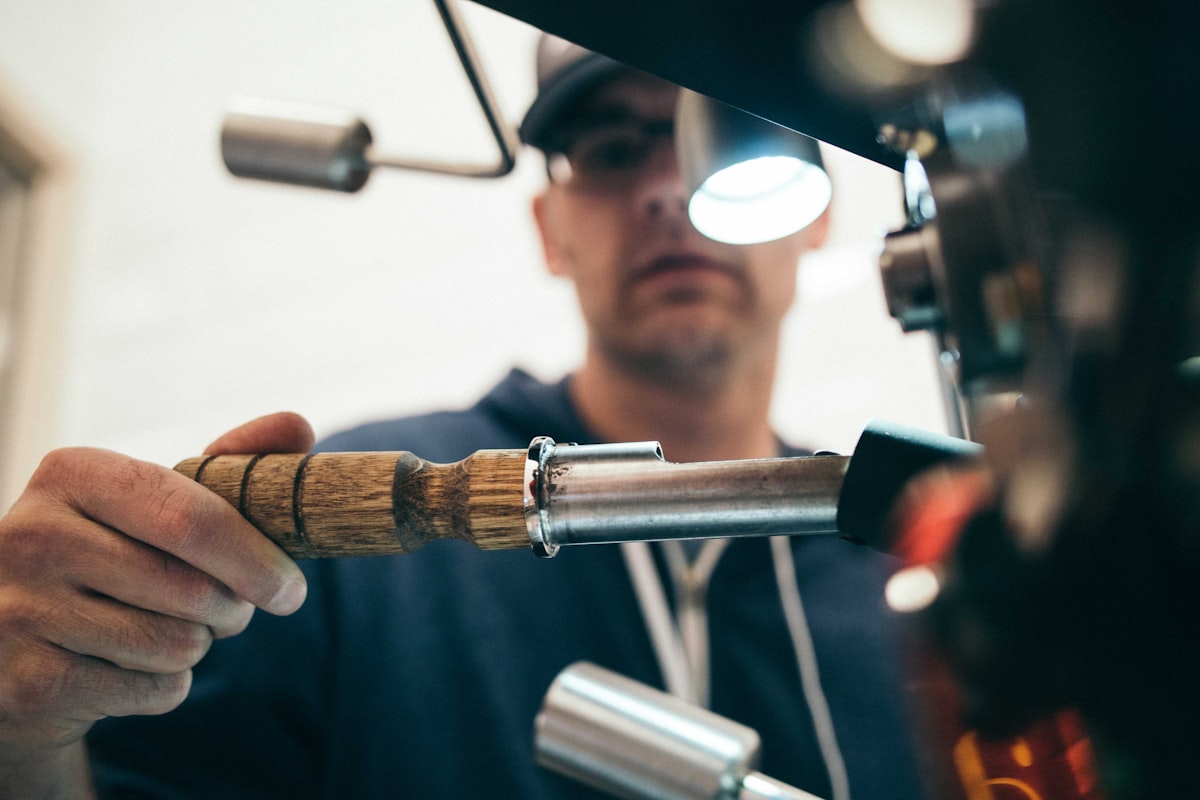
Image: A modern Battery Energy Storage System (BESS) unit, similar to Highjoule's H-Series, is key for maximizing solar. (Photo by American Public Power Association on Unsplash)
Making an Informed Choice for Your Property
So, if "solar panel 120v for sale" brought you here, what should your next steps be?
- Shift Your Focus: Look for providers who offer complete system design and long-term performance guarantees, not just panel sales.
- Demand Storage Integration: Ask how any proposed system will integrate with battery storage, either now or in the future. The U.S. Department of Energy emphasizes storage as a key component for resilience.
- Prioritize Intelligence: Ensure the system includes smart energy management to adapt to weather, usage patterns, and utility rates.
Highjoule's solutions embody this holistic approach. For a homeowner, our Residential PowerStack seamlessly combines high-efficiency panels, an inverter, and our compact home battery into a managed ecosystem. For a factory or farm, our Industrial Microgrid Controller can orchestrate multiple power sources, including large solar arrays, to deliver unmatched reliability and savings.
Your Energy Future
The path to clean, independent, and cost-effective power is more accessible than ever. But it begins with asking the right questions. What does true energy resilience look like for your family or business, and how can a system be designed today to meet those needs for the next 25 years?
 Inquiry
 Online Chat