


Understanding Your Power Independence: A Deep Dive into the Solar Off-Grid System Diagram
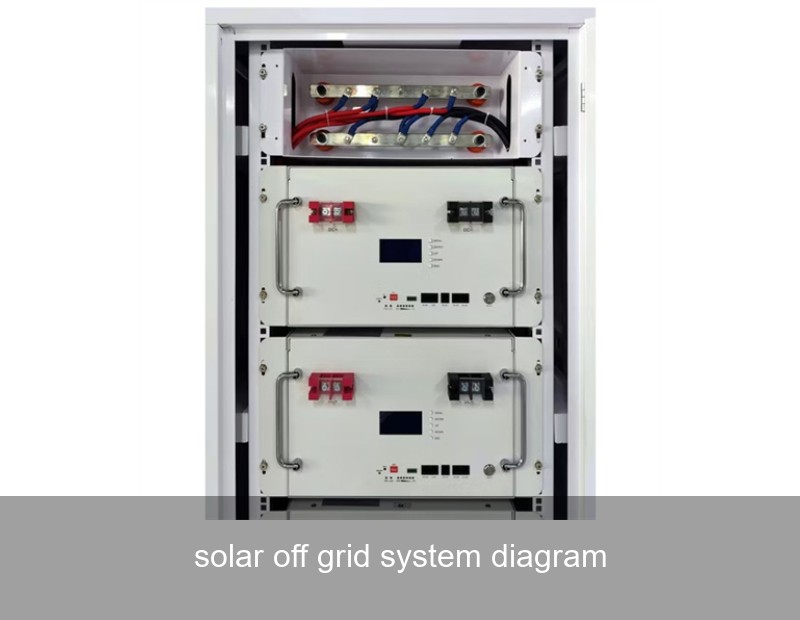
Have you ever looked at your electricity bill and dreamed of true energy independence? For homeowners in sunny California, farmers in rural Spain, or remote research stations worldwide, that dream is increasingly powered by a remarkable piece of technology: the solar off-grid system. At its heart, this system is a self-contained power plant on your property. But what makes it tick? As a product technology expert at Highjoule, I often find that the key to confidence in going off-grid lies in understanding the solar off-grid system diagram. It's not just a schematic; it's a blueprint for resilience, sustainability, and freedom from the utility grid. Let's decode this diagram together, component by component, and see how modern solutions from providers like Highjoule are making this technology smarter and more accessible than ever.
Table of Contents
- The Core Concept: More Than Just Panels
- Breaking Down the Solar Off-Grid System Diagram
- The Highjoule Difference: Intelligence at Every Node
- Real-World Case Study: An Alpine Retreat
- Key Considerations for Your Off-Grid Design
- Your Energy Future: What's Your First Step?
The Core Concept: More Than Just Panels
The common misconception is that an off-grid system is simply a bunch of solar panels on a roof. The reality is far more sophisticated. A functional solar off-grid system diagram reveals a synchronized orchestra of components, each with a critical role. The panels are just the beginning—they capture raw energy. The true challenge, and where the genius of modern engineering shines, is in managing that energy: storing it safely, converting it for use, and ensuring a reliable power supply 24/7, regardless of weather. This is where the diagram transitions from a simple sketch to a vital planning tool, highlighting the flow of energy from sun to socket.

Image Source: Unsplash (Photographer: American Public Power Association) - A representation of a remote off-grid solar installation.
Breaking Down the Solar Off-Grid System Diagram
Let's walk through a standard solar off-grid system diagram, explaining each component's function in plain language.
1. Solar Photovoltaic (PV) Array
This is your fuel source. Multiple solar panels are wired together to form an array. Their DC (Direct Current) output is determined by sunlight availability. Sizing this array correctly is the first critical step—it must generate enough energy to both power your daily loads and fully recharge your batteries.
2. Charge Controller (The Battery's Guardian)
Think of this as a smart regulator. Its primary job is to protect your battery bank, the system's most valuable asset. It regulates the voltage and current from the solar array to ensure batteries are charged efficiently and are never overcharged, which can drastically shorten their lifespan. Modern Maximum Power Point Tracking (MPPT) controllers, like those integrated into Highjoule systems, can increase energy harvest from the panels by up to 30% compared to older technologies.
3. Battery Bank (The Energy Reservoir)
This is the heart of independence. When the sun isn't shining, your lights stay on thanks to the energy stored here. The diagram shows the battery bank as a central hub. Historically, lead-acid was the standard, but today, Lithium Iron Phosphate (LiFePO4) batteries are the clear choice for longevity, depth of discharge, and safety. A well-sized bank is measured in kilowatt-hours (kWh), representing how many days of "autonomy" you have.
4. Inverter (The Power Translator)
Most homes run on AC (Alternating Current). The battery bank provides DC. The inverter's job is to convert DC to clean, stable AC power. In an off-grid system diagram, you'll see the inverter positioned between the battery bank and your home's main electrical panel (load center). Its power rating (e.g., 5kW, 10kW) determines what appliances you can run simultaneously.
5. Backup Generator (The Safety Net - Optional but Recommended)
For extended periods of poor weather, a backup generator (often diesel, propane, or gasoline) can be integrated. In the diagram, it connects to the system via an automatic transfer switch or a generator-compatible inverter. It's not meant for daily use but ensures ultimate reliability.
6. System Monitoring & Control (The Brain)
This is the component often missing from simplified diagrams but is crucial in modern systems. It's a digital interface—sometimes a physical touchscreen, always a mobile app—that shows you real-time energy production, battery state of charge, consumption, and system health. This transforms your system from a "set-and-forget" box into an interactive tool for energy management.
| Component | Primary Function | Key Consideration |
|---|---|---|
| Solar PV Array | Converts sunlight into DC electricity | Size based on location, weather, and annual load |
| Charge Controller | Regulates charging to protect batteries | MPPT type highly recommended for efficiency |
| Battery Bank | Stores energy for use when sun is down | Lithium (LiFePO4) offers longer life & deeper discharge |
| Inverter | Converts DC from batteries to usable AC | Must handle peak loads (e.g., well pumps, tools) |
| System Monitor | Provides data and control over the entire system | Essential for optimization and troubleshooting |
The Highjoule Difference: Intelligence at Every Node
At Highjoule, we see the traditional solar off-grid system diagram as a starting point. Since 2005, we've been engineering intelligence into every link of this chain. Our integrated systems, like the Highjoule HPS Series, don't just connect components; they fuse them into a single, smart, and highly efficient unit.
- All-in-One Design: Our systems often combine the MPPT charge controller, lithium battery management system (BMS), and a pure sine wave inverter in one compact cabinet. This simplifies the diagram dramatically, reducing installation points of failure and streamlining commissioning.
- Advanced Battery Technology: We specialize in safe, long-lasting LiFePO4 battery systems. Our proprietary battery management software doesn't just monitor voltage; it learns your usage patterns, optimizes charge cycles for longevity, and can even predict energy needs based on weather forecasts.
- Cloud-Based Monitoring & Control: The Highjoule Energy Platform turns the "System Monitoring" box in the diagram into a global command center. From your phone, you can see real-time flows in a dynamic, animated version of your system diagram, adjust settings, and receive proactive alerts—whether you're in the house or halfway across the world.
This holistic approach means our customers spend less time worrying about their system's schematic and more time enjoying the reliable, clean power it provides.
Real-World Case Study: An Alpine Retreat in Colorado, USA
Let's move from theory to practice. Consider a real example: a 2,500 sq. ft. family cabin located at 9,500 ft. in the Rocky Mountains, far from any utility lines. The owners wanted year-round usability, with loads including a well pump, radiant floor heating elements, and standard appliances.
The Challenge: Extreme temperature swings (from -20°F to 70°F), heavy winter snow covering panels, and high peak loads from the pump and heating.
The Highjoule Solution: Our team designed a system based on a detailed analysis of their solar off-grid system diagram needs:
- A 12kW solar array, mounted at a steep angle for snow shedding.
- A Highjoule HPS-15 integrated power system with a 15kW inverter/charger and MPPT controller.
- Two parallel Highjoule LFP 24kWh lithium battery banks (48kWh total storage).
- A propane backup generator integrated for automatic start during prolonged storms.
- The Highjoule monitoring platform for remote management.
The Data-Driven Outcome: In the first full year of operation, the system provided 99.7% of the cabin's energy. The generator ran for less than 20 hours total, solely during a historic 5-day snowstorm. The owners can track their battery state of charge and solar yield daily via the app, giving them complete peace of mind. This case exemplifies how a well-engineered system, moving beyond a basic diagram to a smart, adaptive solution, delivers tangible reliability. For more on the science behind solar potential, resources like the National Renewable Energy Laboratory (NREL) provide excellent background.

Image Source: Unsplash (Photographer: Andreas Gücklhorn) - A modern, integrated energy storage system similar to advanced off-grid solutions.
Key Considerations for Your Off-Grid Design
When you look at a solar off-grid system diagram for your own project, ask these questions:
- Load Analysis is Everything: Have you meticulously calculated your daily and seasonal energy consumption (in kWh)? Don't guess; measure. An undersized system leads to frustration.
- Autonomy Days: How many consecutive cloudy days should your battery bank cover? This dramatically affects battery cost and sizing.
- Climate & Site: Your local solar irradiance (maps are available from sources like Global Solar Atlas) and panel placement are fundamental inputs.
- Future-Proofing: Are you likely to add an electric vehicle charger or a workshop? Building in some spare capacity in both inverter and battery bank is wise.
Your Energy Future: What's Your First Step?
Decoding the solar off-grid system diagram is the first step toward energy self-reliance. It demystifies the technology and empowers you to ask the right questions. At Highjoule, we believe the best system is one you understand and trust. Whether it's for a remote home, a critical agricultural operation, or an industrial microgrid, the principles of robust design, quality components, and intelligent management remain the same.
So, I'm curious: when you visualize your own off-grid system diagram, what's the one appliance or comfort you simply can't imagine being without when the sun goes down? Identifying that is a perfect place to start the conversation about your own blueprint for energy independence.
 Inquiry
 Online Chat