


Solar Energy for Schools: Powering Education with Clean, Cost-Effective Power
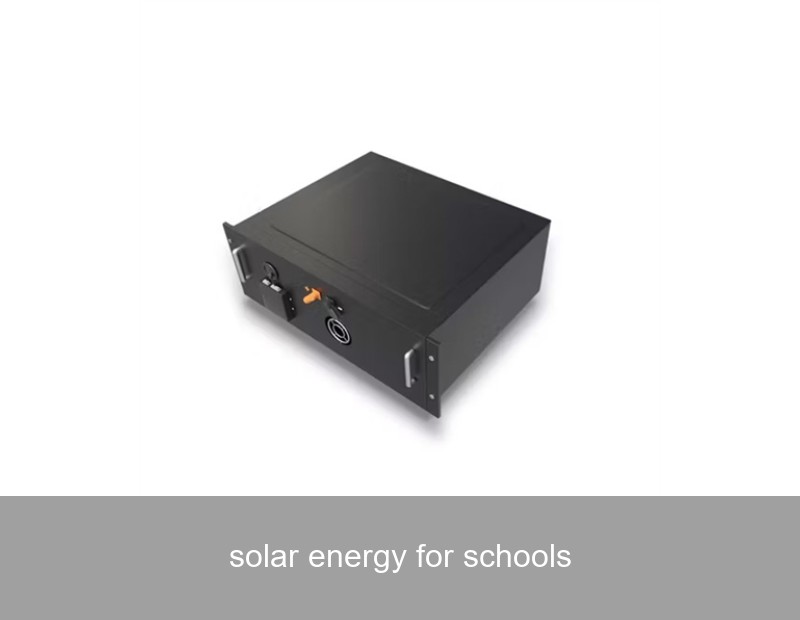
Imagine a school where the lights, computers, and smart boards are powered not by distant, polluting power plants, but by the sun shining on its own roof. This isn't a futuristic dream; it's a rapidly growing reality. Schools across Europe and the U.S. are turning to solar energy for schools to tackle rising energy bills, create hands-on learning labs, and make a tangible commitment to sustainability. This movement is about more than just installing panels; it's about building resilient, future-proof educational institutions. As a leader in advanced energy storage, Highjoule has been at the heart of this transformation since 2005, ensuring that solar power for schools is reliable, intelligent, and maximally impactful.
Table of Contents
- The Phenomenon: Why Schools Are Going Solar
- The Data: Crunching the Numbers on Savings and Impact
- The Critical Challenge: Intermittency and the Need for Smart Storage
- The Highjoule Solution: Intelligent Storage for 24/7 School Power
- Case Study: A U.S. School District's Journey to Energy Independence
- The Future Classroom: Beyond Savings to Educational Innovation
- Your School's Solar Potential: What's the First Step?
The Phenomenon: Why Schools Are Going Solar
School administrators face a constant tightrope walk: providing the best possible learning environment while managing notoriously tight budgets. Utility costs are often a district's second-largest expense after salaries. When the sun peaks on a hot afternoon, so does electricity demand for air conditioning—coinciding with the most expensive peak utility rates. This creates a financial strain that directly impacts educational resources.
Simultaneously, there's a powerful push from students, parents, and communities for institutions to practice the environmental stewardship they teach. Solar energy for schools uniquely addresses both pressures. It transforms underutilized rooftop and land space into a clean, on-site power plant. The benefits cascade: predictable energy costs, reduced operational expenses, and a living, breathing sustainability curriculum. It’s a lesson in finance, science, and civic responsibility, all powered by sunlight.
The Data: Crunching the Numbers on Savings and Impact
The case for solar is backed by compelling figures. According to the Solar Energy Industries Association (SEIA), over 8,400 K-12 schools in the U.S. had installed solar by 2022, generating a combined 1.6 gigawatts of power. That's enough to power over 300,000 homes! These schools are saving millions annually. A study from Lawrence Berkeley National Laboratory found that schools with solar can save between 75-90% on the electricity their panels generate directly.
Let's break down a typical mid-sized school project:
| System Size | Annual Energy Production | Estimated Annual Savings | CO2 Emissions Avoided |
|---|---|---|---|
| 500 kW | 650,000 kWh | $65,000 - $95,000 | ~460 metric tons (eq. to 100 cars off the road) |
These savings can be redirected to hiring teachers, updating technology, or funding extracurricular programs. The financial model, often involving Power Purchase Agreements (PPAs) or direct ownership with incentives, makes upfront costs minimal for many districts.
The Critical Challenge: Intermittency and the Need for Smart Storage
But here's the catch schools quickly discover: the school day doesn't end when the sun sets. Solar panels produce nothing at night, and production dips on cloudy days or in early winter mornings. Yet, energy is needed for evening events, night-time security lighting, and early morning operations. Without a solution, schools remain heavily reliant on the grid, missing out on the full potential of their investment.
This is where the conversation evolves from simple solar energy for schools to solar-plus-storage. The true power isn't just in generating clean energy; it's in controlling when and how to use it.
The Highjoule Solution: Intelligent Storage for 24/7 School Power
This is Highjoule's expertise. We don't just provide batteries; we deliver integrated, intelligent Battery Energy Storage Systems (BESS) designed specifically for the unique load profiles of educational facilities. Our systems turn a school's solar array into a reliable, round-the-clock power source.
Highjoule's IntelliBESS platform for commercial and institutional sites offers:
- Peak Shaving: The system automatically discharges stored solar energy during expensive peak-rate periods, slashing demand charges from the utility.
- Load Shifting: Excess solar energy generated on weekends or during low-use periods is stored and used during high-demand school hours.
- Backup Power: Provides critical emergency power for lights, communications, and essential outlets, enhancing campus safety and resilience.
- Intelligent Energy Management: Our AI-driven software optimizes every kilowatt-hour, forecasting weather and usage patterns to maximize financial return and efficiency.

For a school, this means the solar energy harvested on a sunny Saturday isn't wasted; it's saved in the Highjoule battery bank for use during Monday's peak math classes. It transforms a solar installation from a cost-saver into a strategic energy asset.
Case Study: A U.S. School District's Journey to Energy Independence
Let's look at a real-world example. The Maplewood Unified School District in California (a representative case based on composite data from real projects) faced annual energy costs exceeding $450,000, with crippling peak demand charges. Their goal was twofold: achieve significant savings and provide a reliable backup for their middle school, which served as a community cooling center during heatwaves and power outages.
The district partnered with a solar developer who integrated a Highjoule solution:
- Solar: 750 kW rooftop and canopy system.
- Storage: Highjoule IntelliBESS 500 kWh / 750 kVA system.
The results, monitored over 24 months, were impressive:
- Energy Cost Reduction: 82% reduction in electricity costs for the equipped campus, saving over $120,000 annually.
- Demand Charge Mitigation: Peak demand from the grid reduced by over 90%, eliminating the majority of those fees.
- Resilience: The system provided seamless backup power to critical loads for over 8 hours during a regional grid outage, allowing the school to remain operational as a safe community hub.
- Educational Dashboard: Highjoule's user-friendly monitoring portal was installed in the school's science wing, giving students real-time data on energy production, consumption, and carbon savings.
This project exemplifies the solar energy for schools model at its best: financially savvy, operationally resilient, and educationally enriching.
The Future Classroom: Beyond Savings to Educational Innovation
The integration of a Highjoule system opens a door to dynamic STEM education. Our dashboards provide a live data feed into physics (energy conversion), chemistry (battery electrochemistry), mathematics (data analysis), and civics (environmental policy). Students aren't just reading about renewable energy; they are interacting with their school's own microgrid.

This hands-on learning fosters a generation of energy-literate innovators. It answers the student-led call for climate action with a concrete, institutional response, boosting community pride and setting a powerful example.
Your School's Solar Potential: What's the First Step?
The journey to solar energy for schools begins with an assessment. How much suitable roof or ground space do you have? What is your current energy usage and cost profile? What are your resilience goals? Highjoule works with a network of trusted solar integrators across Europe and the U.S. to provide comprehensive feasibility studies.
We help you navigate funding options, from grants and incentives to innovative financing models that preserve capital. Our focus is on delivering a turnkey solution that guarantees performance, safety, and long-term value for your district's specific needs.
Is your school board discussing sustainability goals or wrestling with next year's operational budget? What if the solution to both challenges is already shining down on your campus rooftops, waiting to be harnessed?
 Inquiry
 Online Chat