


How a Modern Photovoltaic BESS Factory Powers the Clean Energy Transition
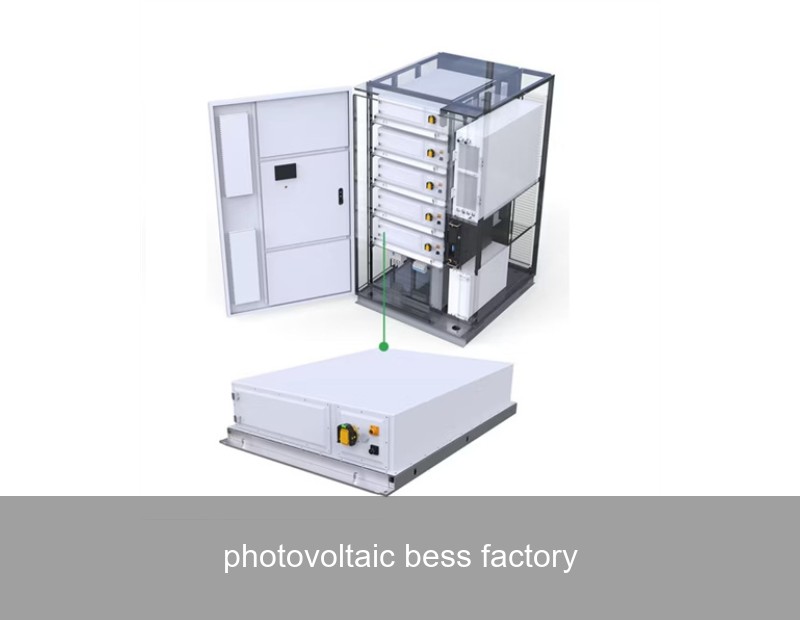
Imagine a factory that not only manufactures the technology for a sustainable future but also powers its entire operation with that very same technology. This is no longer a vision; it's the reality for forward-thinking manufacturers worldwide. At the heart of this revolution lies the photovoltaic battery energy storage system (PV BESS) – a synergistic combination of solar panels and intelligent battery storage. For industrial and commercial facilities, integrating a photovoltaic BESS is a strategic move from being passive energy consumers to active, resilient power producers. In this article, we'll explore how a modern photovoltaic BESS factory setup operates, the tangible benefits it delivers, and why it's becoming a non-negotiable asset for competitive manufacturing in Europe and the US.
Table of Contents
- The Challenge: Energy Volatility Meets Manufacturing Demand
- The Solution: Anatomy of a Photovoltaic BESS Factory
- Data & Case Study: A European Automotive Plant's Success
- Expert Insights: Beyond Basic Payback
- Highjoule's Role: Engineering Your Factory's Energy Independence
- The Future of Manufacturing Energy
The Challenge: Energy Volatility Meets Manufacturing Demand
Manufacturing is energy-intensive. Continuous production lines, HVAC systems, and machinery require a massive, stable power supply. However, two major pressures are converging on factory owners:
- Soaring and Unpredictable Energy Costs: Grid electricity prices, especially in Europe, have experienced significant volatility. According to the U.S. Energy Information Administration (EIA), industrial electricity prices can fluctuate dramatically based on fuel costs and market dynamics (source).
- The Imperative for Sustainability: Consumers, investors, and regulators are demanding greener supply chains. A factory's carbon footprint is now a critical metric for securing contracts and maintaining market reputation.
Relying solely on the grid means your production costs are exposed to market whims, and power outages can result in devastating downtime. This is the core problem a photovoltaic BESS factory configuration is designed to solve.
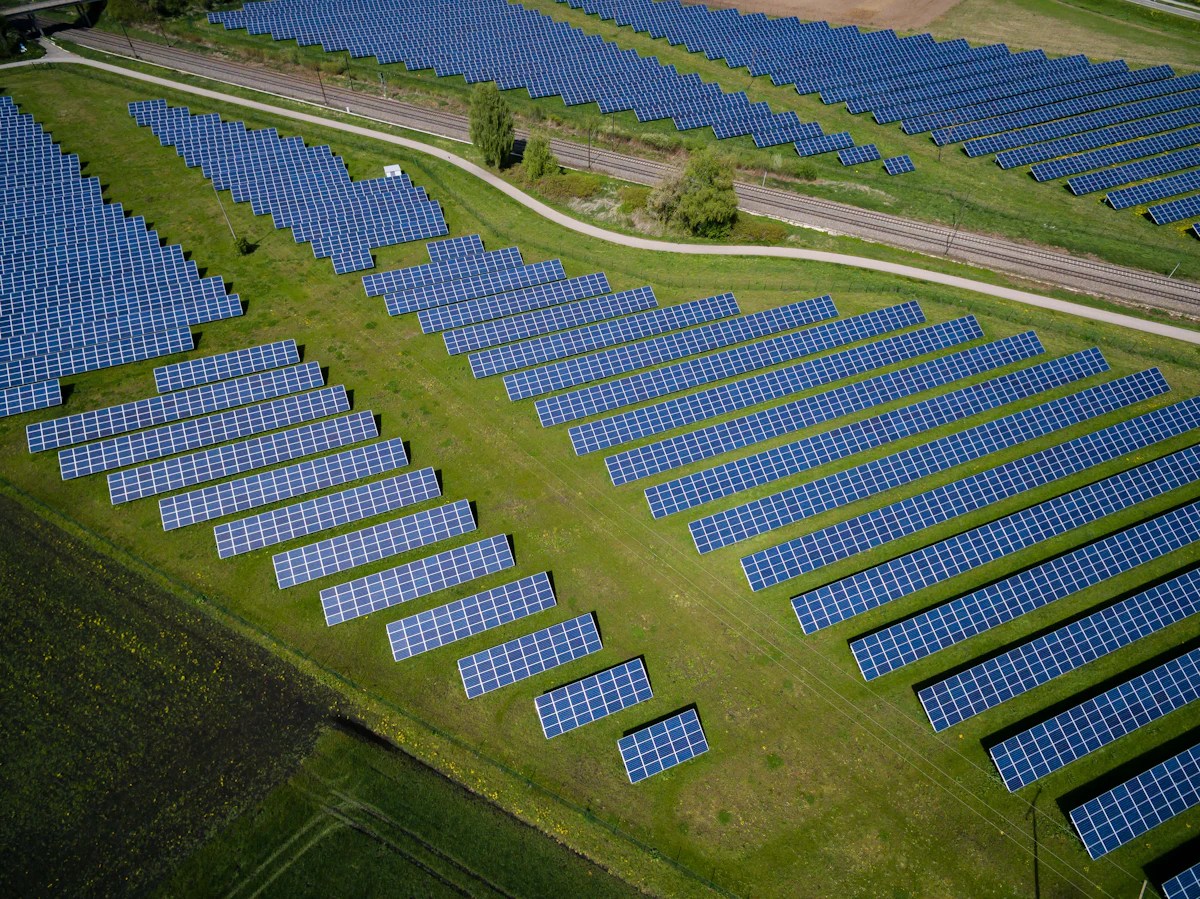
Image Source: Unsplash - A factory rooftop primed for solar panel installation.
The Solution: Anatomy of a Photovoltaic BESS Factory
So, what does this system actually look like on the ground? It's a seamless integration of three key components:
1. The Photovoltaic (PV) Array: Your On-Site Power Plant
Solar panels installed on vast factory rooftops, parking lot canopies, or adjacent land capture sunlight and convert it into direct current (DC) electricity. This is your primary, zero-fuel-cost energy source.
2. The Battery Energy Storage System (BESS): Your Energy Buffer and Bank
This is the intelligent heart of the operation. The BESS, typically using lithium-ion technology, stores excess solar energy produced during the day instead of sending it all back to the grid. It performs several critical functions:
- Load Shifting: Stores cheap solar energy for use during expensive evening peak hours.
- Backup Power: Provides instantaneous power during grid outages, keeping critical processes online.
- Grid Services: In some markets, factories can earn revenue by providing frequency regulation services to the grid.
3. The Smart Energy Management System (EMS): The Brain
The EMS is the software maestro. It predicts energy production and consumption, makes real-time decisions on when to charge/discharge the batteries, and optimizes the entire system for maximum economic return. It ensures every kilowatt-hour is used in the most cost-effective way possible.
| System Component | Primary Role | Direct Benefit to Factory |
|---|---|---|
| Solar PV Array | Generates clean electricity | Reduces grid consumption, cuts energy costs & carbon emissions |
| Battery Storage (BESS) | Stores & dispatches energy | Provides backup power, enables peak shaving, stabilizes energy supply |
| Energy Management System | Controls & optimizes the entire system | Maximizes financial ROI, ensures operational reliability |
Data & Case Study: A European Automotive Plant's Success
Let's move from theory to practice. A prominent automotive components manufacturer in Bavaria, Germany, faced steep energy costs and pressure to meet corporate decarbonization goals. Their solution was to transform into a photovoltaic BESS factory.
- Installation: A 4.2 MWp rooftop solar PV system coupled with a 2.4 MWh containerized battery storage unit.
- Results (Annual):
- Energy Cost Reduction: 68% reduction in electricity drawn from the grid during peak price periods.
- Self-Consumption: Increased on-site consumption of solar power from 35% to over 85%.
- Resilience: The system can power critical assembly lines for up to 3 hours during a grid outage, preventing an estimated €500,000 per hour in potential production losses.
- Carbon Savings: Reduced CO2 emissions by approximately 2,800 tonnes per year.
This case illustrates the multi-faceted payoff. The project's payback period was calculated at under 7 years, thanks largely to the intelligent storage system that captured the full value of the solar generation. The International Renewable Energy Agency (IRENA) highlights that such industrial applications are key to decarbonizing the energy sector (source).
Expert Insights: Beyond Basic Payback
While financial metrics are compelling, the strategic advantages run deeper. As a technology expert at Highjoule, I often discuss these "hidden" benefits with plant managers:
- Price Signal Immunity: Your factory becomes less sensitive to time-of-use tariffs and future energy price hikes. You lock in a long-term, predictable energy cost.
- Enhanced Power Quality: Modern BESS can correct voltage sags and frequency fluctuations, protecting sensitive equipment and improving product quality.
- Reputational Capital: Marketing your facility as a "green factory" powered by its own renewable energy is a powerful tool for B2B sales and talent acquisition.

Image Source: Unsplash - A technician performing maintenance on a containerized BESS unit.
Highjoule's Role: Engineering Your Factory's Energy Independence
At Highjoule, we don't just supply components; we deliver turnkey energy resilience. Since 2005, we have specialized in designing and deploying intelligent storage solutions for demanding industrial applications. For a photovoltaic BESS factory project, our process is comprehensive:
- Custom Feasibility Analysis: We model your facility's load profile, roof space, and local weather to design a system with the optimal PV-to-storage ratio.
- Integrated Hardware Suite: We provide our high-efficiency, UL/Certified Highjoule HiveStack™ BESS – a modular, scalable battery system designed for industrial duty cycles – seamlessly paired with PV inverters.
- Advanced Energy Management: Our proprietary Highjoule Neuron™ EMS platform acts as the autonomous brain, optimizing for your specific financial and operational goals, whether it's minimizing costs or maximizing backup duration.
- Lifecycle Support: From installation to remote monitoring, maintenance, and performance guarantees, we ensure your system delivers value for decades.
Our solutions are deployed across Europe and North America, helping factories, warehouses, and data centers take control of their energy destiny.
The Future of Manufacturing Energy
The trajectory is clear. The factory of the future is not just automated; it's electrified and self-optimizing. With advancements in battery technology and AI-driven energy management, the economic case for a photovoltaic BESS factory will only strengthen. We are moving towards ecosystems where industrial facilities act as stable nodes in a decentralized grid, trading energy and providing critical services.
Is your factory's energy strategy still rooted in the past, or is it ready to power the next era of sustainable, resilient, and cost-competitive manufacturing? What would be the first process in your facility you would secure with your own independent, clean power source?
 Inquiry
 Online Chat