


Your Home's Solar Backup Generator: The Key to Energy Independence and Resilience
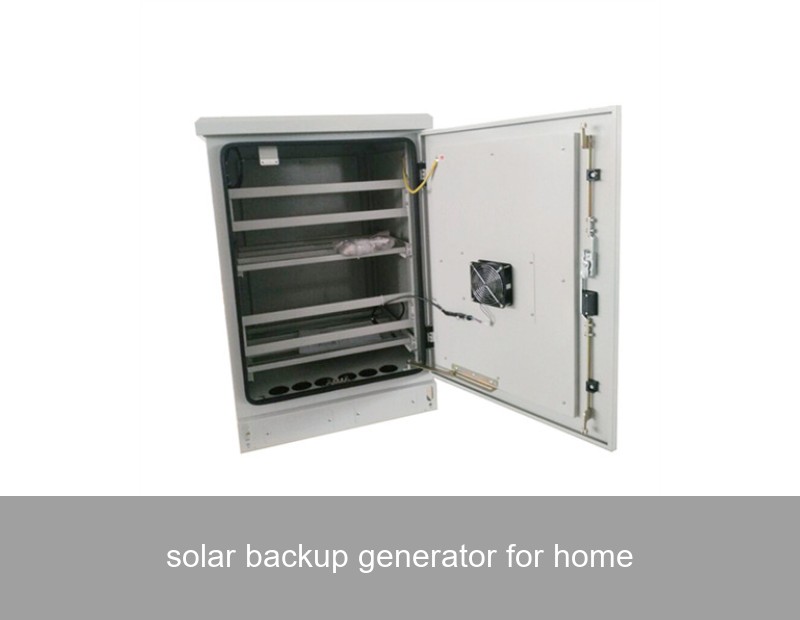
Imagine this: a powerful storm rolls through your neighborhood, the grid goes down, but inside your home, the lights stay on, the refrigerator hums, and your family's routine remains undisturbed. This isn't just wishful thinking; it's the modern reality made possible by a solar backup generator for home. Unlike noisy, fume-spewing gas generators, this solution silently harnesses the sun's power, providing clean, reliable backup electricity. For homeowners in Europe and the US, where extreme weather events and grid instability are rising concerns, integrating solar panels with a sophisticated battery storage system is transforming from a luxury into a strategic investment in security and sustainability.
Table of Contents
- The Problem: Grid Outages Are More Than an Inconvenience
- The Data: The Rising Cost of Power Interruptions
- The Solution: How a Modern Solar Backup System Works
- The Highjoule Advantage: Intelligent Energy Management
- A Real-World Case Study: Resilience in California
- Making the Right Choice for Your Home
The Problem: Grid Outages Are More Than an Inconvenience
We've all been there. The lights flicker and die. Suddenly, you're calculating how long the food in your freezer will last, scrambling for flashlights, and feeling utterly disconnected. Traditional portable generators offer a stopgap, but they come with significant drawbacks: they require storing and handling flammable fuel, produce harmful emissions, are often too loud to run overnight, and only power a handful of essential circuits. What if your backup power could be automatic, silent, clean, and integrated into your home's daily energy flow?

This is the gap that a dedicated solar backup generator for home fills. It's not a single device but a system—typically combining solar photovoltaic (PV) panels, a high-capacity battery storage unit, a smart inverter, and an energy management system. This setup doesn't just wait for an outage; it works for you every single day, optimizing your energy use and reducing your electricity bills.
The Data: The Rising Cost of Power Interruptions
The trend is clear and backed by hard numbers. In the United States, the frequency of weather-related power outages has increased dramatically over the past two decades. The European Union also faces challenges from grid congestion and climate-related events. The cost of these interruptions isn't just measured in spoiled food. They disrupt work-from-home operations, compromise safety and security systems, and can be life-threatening for those reliant on medical equipment.
| Impact Area | Consequence of Grid Outage |
|---|---|
| Financial | Food spoilage, lost productivity, potential property damage (e.g., frozen pipes). |
| Safety & Security | Disabled alarm systems, lack of lighting, inability to charge communication devices. |
| Health & Comfort | Loss of heating/cooling, inoperable medical devices, general stress and inconvenience. |
| Environmental | Traditional generators emit CO2 and particulate matter, degrading local air quality. |
This data paints a compelling picture: passive reliance on the grid is becoming a riskier proposition. Proactively creating a resilient home energy system is a logical response.
The Solution: How a Modern Solar Backup System Works
So, how does this sleek, modern solution operate? Let's break it down into its core components and functions:
- Solar Panels: Your personal power plant. They capture sunlight and convert it into direct current (DC) electricity during the day.
- Smart Hybrid Inverter: The brain of the operation. It converts the DC electricity from your panels and batteries into the alternating current (AC) your home uses. Crucially, during a grid outage, it automatically disconnects from the grid (a feature called "islanding") to keep your home powered safely.
- Battery Energy Storage System (BESS): The heart of your solar backup generator for home. This is where excess solar energy is stored for use at night or during outages. Modern lithium-ion phosphate (LFP) batteries are safe, have long lifespans, and require minimal maintenance.
- Energy Management System (EMS): The nervous system. This software intelligently decides when to charge the battery from solar or the grid, when to discharge to power your home, and how to prioritize circuits during a backup event.
In daily operation, the system maximizes self-consumption of your solar energy, slashing your utility bill. When the grid fails, the transition is seamless—often happening in milliseconds. You might not even notice until you see your neighbors' lights are out.
The Highjoule Advantage: Intelligent Energy Management
Not all backup systems are created equal. At Highjoule, with nearly two decades of expertise since 2005, we engineer our home energy storage solutions to be more than just backup; they are intelligent hubs for energy independence. Our ResiCore Ultra series is a prime example of a sophisticated solar backup generator for home.
What sets the ResiCore Ultra apart is its AI-driven energy management platform. It doesn't just react to outages; it learns your household's energy patterns and local weather forecasts. It can proactively charge your battery with cheaper off-peak grid electricity (where allowed) or excess solar, ensuring you have a maximum reserve when a storm is predicted. Its modular design allows for capacity from 10 kWh to over 30 kWh, ensuring scalability for everything from a compact urban home to a large estate.
For homeowners, this means unparalleled control. Via a simple smartphone app, you can set backup priorities (e.g., keep the refrigerator and medical equipment running for 3 days), track your energy production and consumption in real-time, and even participate in grid services programs in some regions, turning your storage system into a potential revenue stream. Highjoule's focus on safety, with robust cell-level monitoring and UL-certified designs, provides the peace of mind that your energy resilience is built on a rock-solid foundation.

A Real-World Case Study: Resilience in California's Fire-Prone Zone
Let's look at a concrete example from Northern California, USA. The region faces seasonal Public Safety Power Shutoffs (PSPS), where utilities preemptively cut power to prevent wildfires, often for days at a time.
The Challenge: The Miller family in Sonoma County experienced 5 grid outages in 2022, totaling over 12 days without power. Their old gasoline generator was costly to run, loud, and couldn't power their well pump or HVAC system.
The Solution: In early 2023, they installed a 12 kW solar array paired with a Highjoule ResiCore Ultra 20 kWh battery system. The system was configured with a critical loads panel to back up essentials, plus their well pump and one HVAC zone.
The Results: During a 3-day PSPS event in October 2023:
- The home maintained full operation of all critical circuits, including lighting, refrigeration, internet, and the well pump.
- The family used their HVAC system for 6 hours per day to maintain comfort.
- The battery state of charge never fell below 45%, thanks to daily solar recharge.
- They estimated savings of over $150 in avoided fuel costs for their old generator and prevented all food spoilage.
"It's life-changing," said Sarah Miller. "We don't dread the outage notifications anymore. The system just takes over, and our lives continue normally. We're also seeing our electric bills drop by about 60% the rest of the year." This case underscores the dual benefit: immediate resilience and long-term economic gain.
Making the Right Choice for Your Home
Choosing the right solar backup generator for home requires careful consideration. It's not just about picking the biggest battery. Key factors include:
- Backup Power Goals: What do you want to power during an outage? Just a few lights and the fridge, or your entire home? Conduct a load assessment of essential appliances.
- Battery Capacity & Power Rating: Capacity (kWh) tells you how much energy is stored; power (kW) tells you how much it can deliver at once. You need enough power to start motors (like in your fridge or pump) and enough capacity to last through the night or multiple cloudy days.
- System Intelligence: Look for smart management features that optimize for self-consumption, time-of-use rates, and resilience.
- Scalability: Can you add more battery modules later if your needs change?
- Professional Installation & Service: This is a complex electrical system. Ensure your installer is certified and the manufacturer offers strong warranty and support, like Highjoule's global network of certified partners.
We encourage you to look beyond the initial price tag. Consider the total value: avoided outage costs, ongoing electricity bill savings, increased property value, and the intangible value of security and contributing to a cleaner grid. As the International Renewable Energy Agency (IRENA) highlights, decentralized solar and storage are pillars of the future energy transition.

The journey to energy independence is clearer than ever. With the right technology and partner, your home can become a bastion of resilience. What's the first appliance you would want to guarantee stays on when the next storm hits your neighborhood?
 Inquiry
 Online Chat