


Does a Solar Power Generator Exist? Your Guide to Modern Solar Energy Systems
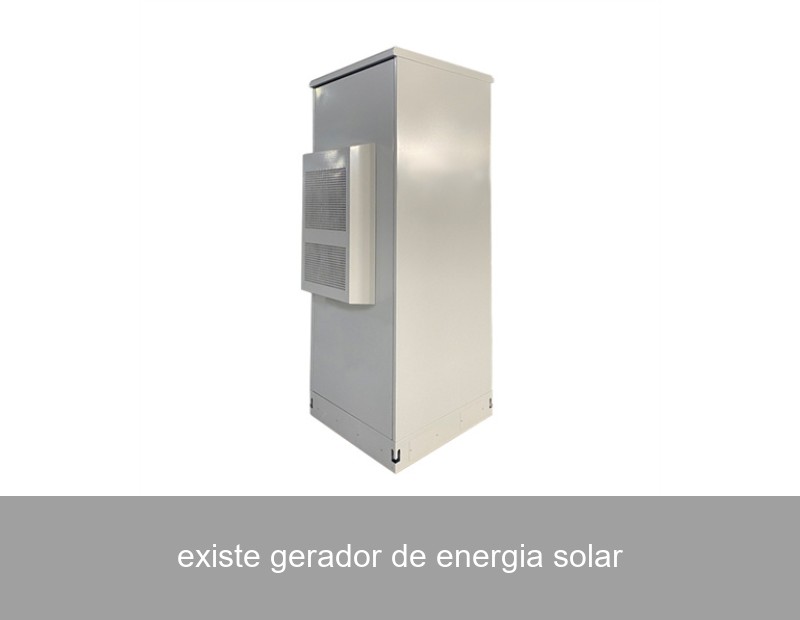
You've likely asked yourself: Does a solar power generator exist? The short answer is a resounding yes, but the modern reality is far more sophisticated and powerful than the portable gas generators of the past. Today, a "solar generator" is not a single device but an integrated system—a combination of solar panels, a battery storage unit, and intelligent inverters—that captures, stores, and manages clean energy for your home or business. As grid instability and energy costs rise globally, understanding this technology is key to achieving true energy independence. Let's explore how these systems work and why they are revolutionizing how we power our lives.
Table of Contents
What is a Modern Solar Power Generator?
Gone are the days of thinking of a generator as a noisy, fume-emitting box. A contemporary solar power generator is a silent, clean, and intelligent ecosystem. At its core, it's designed to do three things: harvest energy from the sun via photovoltaic (PV) panels, store that energy efficiently in a battery bank for use anytime (day or night), and manage power flow seamlessly between the solar array, battery, your property, and the grid.
This integrated approach is where companies like Highjoule excel. As a global leader in advanced energy storage since 2005, Highjoule doesn't just provide batteries; we deliver complete, smart power solutions. Our systems act as the brain and heart of your personal energy microgrid, ensuring every watt of solar energy you produce is used optimally for maximum savings and resilience.
Key Components of a Solar Energy System
To understand the "solar generator," let's break down its essential parts:
- Solar Panels (PV Array): These are the primary energy harvesters, converting sunlight into direct current (DC) electricity.
- Inverter(s): This critical component converts the DC electricity from the panels and batteries into the alternating current (AC) that powers your home and appliances. Modern hybrid inverters can manage multiple energy sources.
- Battery Energy Storage System (BESS): The true game-changer. This stores excess solar energy produced during the day for use at night, during peak rate periods, or during grid outages. Highjoule's storage solutions, like our H-Series Commercial and H-Core Residential systems, utilize advanced lithium-ion chemistry for high density, long lifecycles, and safe operation.
- Energy Management System (EMS): The intelligent software that controls the entire flow. It decides when to charge the battery, power the home, or export to the grid based on weather forecasts, usage patterns, and tariff rates, maximizing your financial return.

Image source: Unsplash (Representative image of a solar and storage system)
For instance, Highjoule's GridSynergy Platform is a proprietary EMS that allows homeowners and businesses to automate their energy decisions, seamlessly switching to backup power in milliseconds during an outage.
Why Choose a Solar + Storage System? The Compelling Benefits
The synergy between solar panels and a battery creates value far beyond simple electricity generation.
| Benefit | Explanation | Impact |
|---|---|---|
| Energy Independence & Resilience | Reduces reliance on the utility grid. Provides backup power during outages. | Peace of mind, continuous power for essential loads (refrigeration, medical equipment, lighting). |
| Significant Cost Savings | Use stored solar energy during expensive peak-rate hours (Time-of-Use tariffs). Avoid demand charges for businesses. | Drastically reduces monthly electricity bills. ROI can often be achieved in a few years. |
| Maximized Solar Self-Consumption | Store excess midday solar power instead of selling it back to the grid at low rates. | Uses 80% or more of the solar energy you produce, increasing system value. |
| Sustainability & Carbon Reduction | Displaces fossil-fuel-based grid power and eliminates need for gas/diesel generators. | Lowers your carbon footprint and supports grid decarbonization. |
Real-World Impact: A Case Study from California, USA
Let's look at real data. California faces both high electricity rates and increasing grid reliability challenges due to wildfires and heat waves. A medium-sized winery in Napa Valley partnered with Highjoule and a local installer to address these issues.
The Challenge: The winery had a 100 kW solar array but was still subject to crippling demand charges and frequent preventive power shutoffs (PSPS events), risking millions in inventory spoilage.
The Solution: A Highjoule H-Series 250 kWh containerized battery storage system was integrated with their existing solar. The system was programmed for peak shaving and seamless backup.
The Results (Data from 12-month operation):
- Demand Charge Reduction: Reduced peak grid draw by 95%, saving over $2,800 monthly on demand charges alone.
- Backup Power: Provided 48+ hours of critical load backup during multiple PSPS events, protecting fermentation tanks and cold storage.
- Solar Self-Consumption: Increased on-site use of solar power from 35% to over 90%.
- ROI: Projected full system payback in under 5 years, not accounting for value of avoided spoilage.
This case exemplifies how a modern "solar generator" system is a strategic business asset, not just an energy project. You can read more about the importance of storage for grid resilience from the National Renewable Energy Laboratory (NREL).
Choosing the Right System for Your Needs
Not all systems are created equal. When evaluating a solar-plus-storage solution, consider these factors:
- Power & Capacity: How much power (kW) do you need instantly to start appliances, and how much total energy (kWh) do you need to get through the night or an outage? Highjoule's design team specializes in this critical sizing analysis.
- Battery Chemistry & Warranty: Look for LiFePO4 (LFP) chemistry for safety and longevity. Highjoule batteries come with a robust 10-year warranty, guaranteeing performance over the long term.
- System Intelligence: Can it integrate with smart home systems? Does it offer user-friendly monitoring and control via an app? Our Highjoule Pulse App gives users full visibility and control over their energy flow.
- Scalability: Can you add more batteries later? Our modular systems are designed for easy expansion as your needs grow.
For commercial and industrial applications, Highjoule also offers sophisticated microgrid solutions that can integrate solar, storage, and even existing backup generators into a single, optimized asset.

Image source: Unsplash (Representative image of a commercial battery storage installation)
The Future of Solar Power Generation
The concept of the solar generator is evolving into the smart, resilient home or business energy hub. With the rise of electric vehicles (EVs), this hub will also manage EV charging, potentially using the car battery for home backup (vehicle-to-home or V2H). Policies like the U.S. Inflation Reduction Act (IRA) and various European subsidies are accelerating adoption by making these systems more affordable. The International Energy Agency (IEA) notes the stunning growth of solar PV and storage as central pillars of the new energy economy.
So, does a solar power generator exist? Absolutely. It's the cornerstone of a cleaner, more resilient, and cost-effective energy future. The real question is: How will you harness this technology to take control of your energy costs and security? We invite you to explore what a tailored Highjoule system could do for your home or business.
 Inquiry
 Online Chat