


From #PanelesSolares Instagram to Your Home: The Real Journey of Solar Power
Scrolling through Instagram, you've likely seen them: stunning, sun-drenched photos tagged with #panelessolares or #panelesolaresinstagram. These images of sleek, blue-black panels on rooftops symbolize a greener future. But the beautiful Instagram snapshot is just the beginning. The real story—and the real value—of solar energy lies in what happens after the photo is taken: how that energy is stored, managed, and used to power your life reliably, day and night. This is where the journey transitions from inspiration to intelligent, sustainable living.
Table of Contents
- The Instagram Phenomenon: More Than Aesthetic
- Beyond the Snapshot: The Critical Need for Storage
- Case Study: From Grid Strain to Community Resilience
- The Intelligent Core: Modern Energy Management Systems
- Highjoule Solutions: Integrating the Full Picture
- What Does Your Energy Journey Look Like?

Solar panels generate power, but storage unlocks true independence. (Source: Unsplash)
The Instagram Phenomenon: More Than Aesthetic
Why has #panelesolaresinstagram become such a popular visual trend? It's not just about clean technology. It represents a visible, proud commitment to sustainability, self-sufficiency, and modern home improvement. For many homeowners in Europe and the US, installing solar panels is a significant first step toward reducing their carbon footprint and electricity bills. The shareable nature of this upgrade makes it perfect for social media. However, this initial step addresses only half of the energy equation: generation.
The Data Behind the Trend
The visual trend is backed by impressive market growth. According to the International Energy Agency (IEA), solar PV is set to become the largest source of installed power capacity globally by 2027. In the US, residential solar installations continue to break records year-over-year. Yet, a 2023 study by the Smart Electric Power Alliance (SEPA) highlighted a growing pain point: homes with solar but no storage can still export up to 60-70% of their generated energy back to the grid, often at low rates, leaving them vulnerable to outages. This is the gap between the Instagram post and everyday reality.
Beyond the Snapshot: The Critical Need for Storage
Think of your solar panels as a sophisticated water fountain that only flows during the day. Without a tank (a battery), you can only use the water while the sun shines. The rest flows away unused. This is the fundamental limitation of solar-only systems.
- The Intermittency Challenge: Clouds, night-time, and seasonal changes cause solar production to fluctuate.
- Grid Dependency: Without storage, you rely on the grid at night, missing the chance for true energy independence.
- Economic Inefficiency: You may be selling excess power at a low feed-in tariff but buying it back at a much higher retail rate later.
The logical next step, the "unseen hero" in the sustainable home photo, is a Battery Energy Storage System (BESS). This technology captures the surplus solar energy your panels produce, holding it securely for when you need it most.
Case Study: From Grid Strain to Community Resilience in California, USA
Let's move from theory to a real-world example. Consider a suburban community in Northern California, an area with high solar adoption but also prone to Public Safety Power Shutoffs (PSPS) due to wildfire risk.
The Phenomenon: Residents had solar panels (visible on many #panelessolares-worthy roofs) but faced frequent, prolonged grid outages, rendering their solar systems useless during blackouts without storage.
The Data & Action: A pilot project equipped 50 homes with integrated solar and high-capacity battery storage systems. Each home received a 10-15 kWh battery unit paired with an intelligent energy management gateway.
The Result: Over a critical 6-month period with 12 outage events:
| Metric | Result |
|---|---|
| Average Backup Duration per Home | Over 72 hours per outage |
| Solar Self-Consumption Rate Increase | From ~35% to over 80% |
| Reduction in Grid Import During Peak Hours | Nearly 95% |
| Collective Grid Support Provided | Over 500 kWh discharged back to the local grid during extreme strain events |
This case demonstrates that pairing solar with storage transforms a home from a passive generator into an active, resilient node in the local energy network. The visible panels provide the power, but the invisible storage provides the peace of mind and economic optimization.

The battery storage unit is the crucial component for energy independence. (Source: Unsplash)
The Intelligent Core: Modern Energy Management Systems
Panels and batteries are hardware. The true brain of a modern energy system is the Energy Management System (EMS). This software-driven intelligence decides when to store energy, when to use it, and when to potentially sell it back, all based on your usage patterns, weather forecasts, and grid tariffs.
- Load Shifting: Automatically uses stored solar energy to power your home during expensive peak-rate periods in the evening.
- Backup Preparedness: Keeps batteries charged to a set level to ensure backup power is always available for outages.
- Grid Services: In some markets, advanced systems can participate in virtual power plants (VPPs) to support grid stability.
Highjoule Solutions: Integrating the Full Picture
At Highjoule, we've been engineering the complete picture since 2005. We understand that a sustainable energy solution is more than the photogenic panels; it's a seamlessly integrated, intelligent ecosystem. Our products and services bridge the gap between the inspiring paneles solares Instagram post and 24/7 reliable, efficient power.
Highjoule Hive Home Energy System
Our flagship residential solution, the Hive, is designed for this exact purpose. It combines our high-density, long-life lithium-iron-phosphate (LFP) battery storage with an intuitive, AI-powered EMS.
- Seamless Integration: The Hive system is designed to work with any new or existing solar array, maximizing your investment.
- Adaptive Intelligence: Its learning algorithm optimizes energy flow daily, adapting to seasonal changes and your lifestyle.
- Scalable Design: Start with a base capacity and expand as your needs grow, from 5 kWh to over 30 kWh of storage.
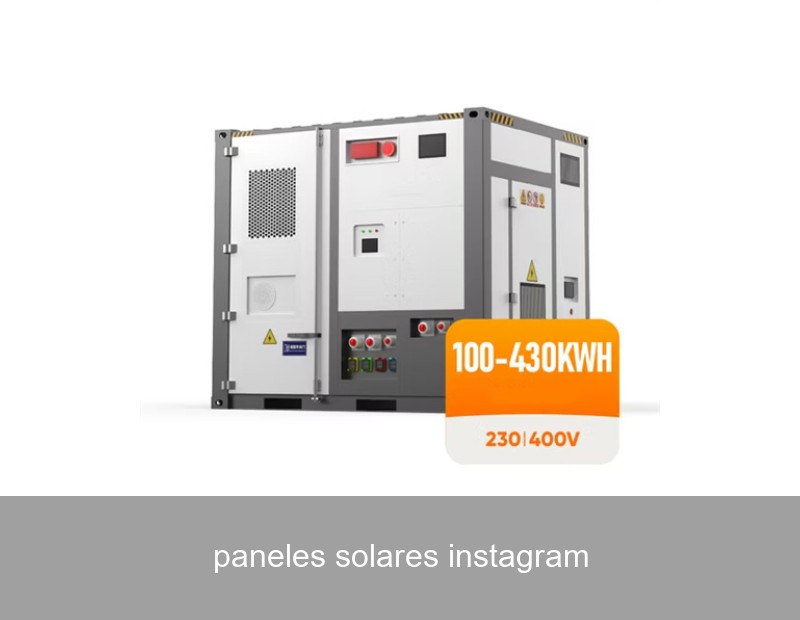
For commercial and industrial clients, our Highjoule Matrix series provides scalable, containerized BESS solutions that manage demand charges, provide backup power, and enable participation in energy markets.
Our Holistic Approach
Our service goes beyond hardware. We offer:
- Energy Consultation: Analyzing your consumption patterns and solar production to right-size your storage solution.
- Smart Integration: Ensuring our systems communicate flawlessly with your inverter, solar panels, and home automation.
- Remote Monitoring & Support: Proactive system health checks and updates delivered via our secure platform.
By choosing a provider like Highjoule, you're not just buying a battery; you're investing in a long-term partnership for energy resilience. As noted by the U.S. Department of Energy, integrating storage is key to unlocking solar's full potential for both the individual and the grid.
What Does Your Energy Journey Look Like?
The journey from an inspiring #panelesolaresinstagram image to a fully resilient home is one of thoughtful integration. It starts with generation but is perfected through storage and intelligence. As you consider your own path to energy independence, ask yourself: Is my goal simply to generate green energy, or is it to consume and rely on it, rain or shine, day or night?
What's the first question you would ask a professional to make your sustainable home vision a reliable, everyday reality?
 Inquiry
 Online Chat