


Understanding Solar Panel Prices in Ecuador: A Smart Investment Guide
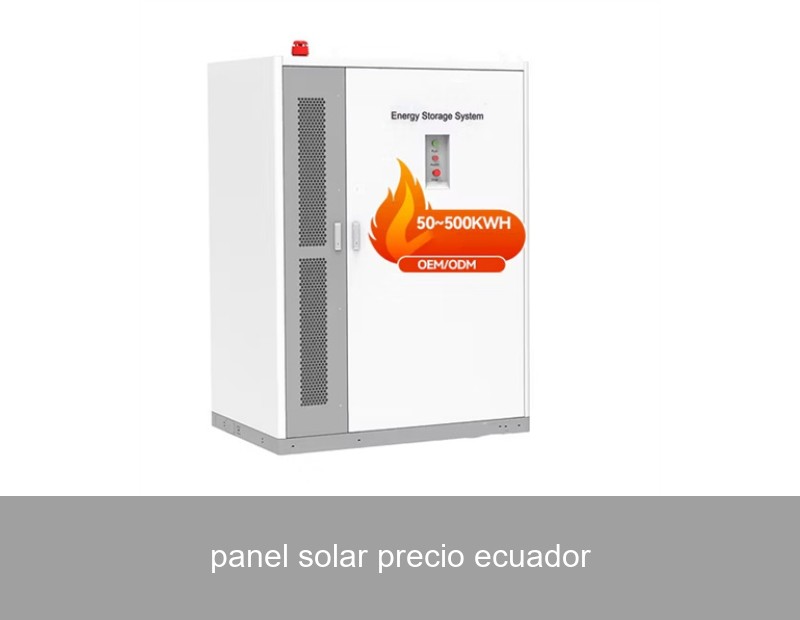
Table of Contents
If you're researching "panel solar precio Ecuador," you're likely looking beyond a simple cost quote. You're exploring a pivotal decision for energy independence, long-term savings, and environmental stewardship. Ecuador, with its exceptional solar irradiance averaging 4.5 to 5.5 kWh/m²/day, is a prime location for harnessing the sun's power. But the price tag you see for a solar panel system is influenced by a fascinating mix of local dynamics, global technology trends, and—most importantly—the intelligence of the system behind the panels.
The Solar Surge in Ecuador
Ecuador's energy landscape is transforming. While blessed with hydroelectric power, the vulnerability to seasonal droughts has pushed the nation to diversify. Combined with rising electricity costs and a global push for sustainability, both businesses and homeowners are turning to solar. The initial search for "panel solar precio" is the first step into a market where quality, durability against equatorial weather, and system efficiency matter just as much as the upfront cost.
It's crucial to understand that the cheapest panel per watt might lead to the most expensive long-term outcome. The intense UV exposure, high humidity, and occasional volcanic ash fall in regions like the Andes demand robust, high-quality components.
What Makes Up the "Panel Solar Precio" in Ecuador?
Let's demystify the cost structure. A solar installation quote is a sum of several key components:
| Component | Percentage of Total Cost (Approx.) | Key Considerations for Ecuador |
|---|---|---|
| Solar Panels (Modules) | 25-35% | Efficiency rates (monocrystalline vs. polycrystalline), temperature coefficient (vital for performance in heat), and manufacturer's warranty against degradation. |
| Inverter System | 15-20% | The "brain" of the operation. Micro-inverters can optimize performance on roofs with partial shading, common in urban Ecuador. |
| Mounting Structure & Hardware | 10-15% | Must be corrosion-resistant and engineered for high wind loads, especially in coastal areas. |
| Battery Energy Storage System (BESS) | 20-40% (if included) | The critical add-on for maximizing value. Allows use of solar power at night, provides backup during grid outages, and enables energy arbitrage. |
| Installation, Permits, & Balance of System | 15-25% | Quality of installation is paramount. Includes wiring, safety devices, and navigating local municipal regulations. |
As you can see, focusing solely on the panel price is like buying a car based only on the tire cost. The real intelligence—and the key to unlocking true savings—lies in the integration and storage capabilities.

Image: A modern commercial solar installation. The mounting structure and system design are as critical as the panels themselves. Credit: Unsplash
The Real Game-Changer: It's Not Just About the Panels
Think about this: Ecuador's solar resource is strongest in the middle of the day, but energy demand for businesses often peaks in the morning and evening. Without storage, excess solar energy is fed back to the grid, often at a lower rate than the cost to purchase it later. This is where the equation shifts.
Integrating a Battery Energy Storage System (BESS) transforms a solar installation from a cost-reduction tool into an energy asset. It allows you to:
- Store Excess Daytime Energy: Use your own solar power after sunset, drastically reducing reliance on the grid.
- Ensure Backup Power: Maintain operations during grid interruptions, a valuable feature for clinics, hotels, and factories.
- Enable Load Shifting: Avoid drawing power during expensive peak tariff hours.
This capability is where companies like Highjoule specialize. As a global leader in advanced energy storage since 2005, Highjoule's intelligent storage solutions are designed to seamlessly integrate with solar arrays, ensuring every kilowatt-hour generated is used optimally. Their systems feature advanced lithium-iron-phosphate (LiFePO4) battery chemistry, known for its safety, long cycle life, and stable performance in varied climates—perfect for Ecuador's diverse geography.
Case Study: A Quito Hotel's Journey to Energy Independence
Let's look at a real-world example from the Ecuadorian highlands. A 120-room hotel in Quito was facing monthly electricity bills exceeding $8,000, with a significant portion from heating water and powering common areas during evening peaks. Their goal was to reduce operational costs and market themselves as a sustainable destination.
The Project: A 150 kW rooftop solar PV system was installed. However, the project architects went beyond the standard setup. They integrated a Highjoule H-Stack Commercial 100 kWh battery storage system to manage the hotel's unique load profile.
The Data-Driven Outcome (12-month period):
- Solar Generation: 192,000 kWh annually.
- Self-Consumption Rate without storage: Estimated 65% (excess solar exported to grid at low feed-in tariff).
- Self-Consumption Rate with Highjoule BESS: Increased to 92%.
- Grid Energy Consumption Reduction: 78%.
- Bill Savings: Approximately $72,000 annually.
- Backup Power: The system provides seamless backup for critical loads (lighting, reception, security) for up to 6 hours during outages.
The hotel's management reported that the "panel solar precio" was just the entry point. The Highjoule storage system was the multiplier that made the investment payback period drop from an estimated 7 years to under 5 years. The system's intelligent energy management software automatically optimizes charging and discharging based on time-of-use tariffs and occupancy forecasts.

Image: A clean, modular battery energy storage system like Highjoule's H-Stack series, enabling higher solar self-consumption. Credit: Unsplash
How Highjoule Empowers Solar Projects in Ecuador and Beyond
For over 18 years, Highjoule has been at the forefront of making renewable energy reliable and economically superior. When evaluating your "panel solar precio Ecuador," consider the value a partner like Highjoule brings:
- Intelligent Storage Solutions: From residential HomePower units to industrial-scale MicroGrid Max systems, Highjoule provides scalable storage that maximizes solar ROI.
- Climate-Adapted Design: Products are engineered for performance in high humidity and across a wide temperature range, ensuring longevity in tropical and high-altitude Andean conditions.
- Grid Services & Software: Highjoule's EnergyOS platform allows for sophisticated energy management, future-proofing your investment as regulations evolve towards smart grids and virtual power plants (VPPs).
- Global Expertise, Local Support: Highjoule works with a network of certified installers in key markets, ensuring professional deployment and after-sales service for projects in the Americas and Europe.
By choosing a system designed with integrated storage in mind, you're not just buying panels; you're investing in a resilient, intelligent energy ecosystem for your home or business.
The Future of Solar Energy in Ecuador
The conversation is rapidly moving from simple solar PV systems to integrated "solar-plus-storage" solutions. As battery technology costs continue to decline (with a notable 90% drop since 2010 according to IEA analysis), and as Ecuador's grid modernizes, the ability to store and manage your own energy will become the standard for a wise investment.
Furthermore, understanding global trends, such as the efficiency gains in solar panel technology documented by sources like the National Renewable Energy Laboratory (NREL), helps in selecting panels that will perform better over time, further enhancing the value of your stored energy.
So, as you continue your research on "panel solar precio Ecuador," we leave you with this question: Is your goal merely to install solar panels, or is it to achieve true energy resilience and maximum financial return for your property? The answer to that will guide you to look beyond the initial price per panel and towards the holistic system that will serve you for decades.
 Inquiry
 Online Chat