


Living Unplugged: Your Guide to Modern Off Grid Electricity Solutions
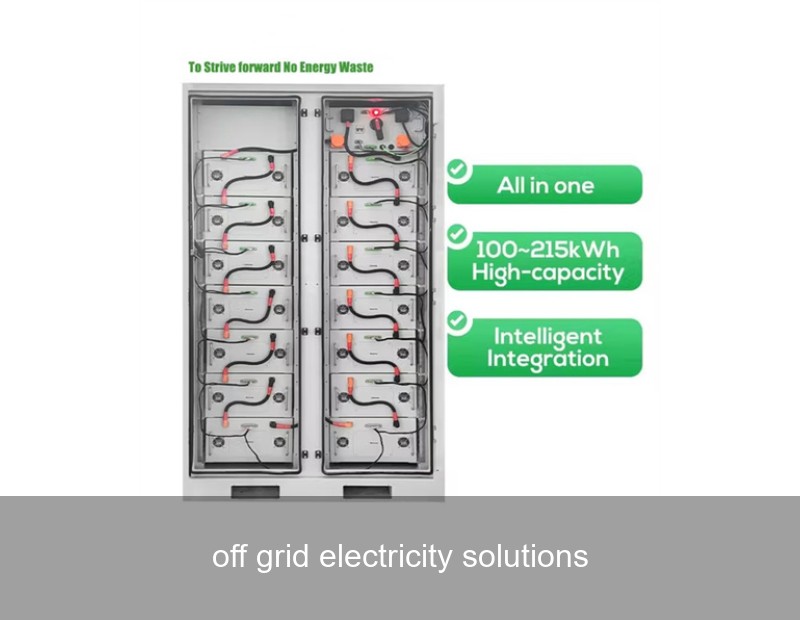
Imagine a life where your power is truly your own. No more grid outages disrupting your work, no more volatile energy bills dictating your budget. This isn't a distant dream; it's the reality made possible by today's advanced off grid electricity solutions. For homeowners in remote cabins, farmers managing vast lands, or forward-thinking communities, disconnecting from the traditional utility grid is no longer about compromise. It's a strategic choice for energy independence, resilience, and sustainability. This guide will walk you through how modern technology has transformed off-grid living from a rustic challenge into a reliable, intelligent, and empowering lifestyle.
Table of Contents
- The Rise of Energy Independence
- Core Components of a Modern Off-Grid System
- Beyond the Basics: The Highjoule Smart Difference
- Making the Choice: Is Off-Grid Right for You?
The Rise of Energy Independence: More Than a Backup Plan
Traditionally, "off-grid" conjured images of gasoline-guzzling generators and limited power. The phenomenon today is different. Driven by climate concerns, a desire for self-sufficiency, and sometimes sheer necessity in remote locations, people are seeking permanent, clean power independence. The data is compelling: The U.S. off-grid solar market is projected to grow significantly, while in Europe, energy security concerns have accelerated interest in decentralized power. It's a shift from seeing off-grid as a last resort to viewing it as a first-choice solution for control and sustainability.

Modern off-grid living combines sustainability with comfort and reliability.
Core Components of a Modern Off-Grid System
Think of a robust off-grid system as a self-contained ecosystem. Each part plays a critical role:
- Energy Generation (The Source): Typically solar PV panels, sometimes paired with wind or hydro. This is your "fuel."
- Energy Storage (The Bank): This is the heart. Batteries store excess energy generated during the day for use at night or during cloudy periods. Not all batteries are created equal.
- Charge Controller & Inverter (The Brain & Interpreter): The charge controller protects batteries from overcharging. The inverter converts the DC electricity from panels and batteries into the AC power your appliances use.
- Backup Generator (The Safety Net): A smart generator (often propane/diesel) can automatically kick in during prolonged bad weather to recharge batteries, ensuring never a day without power.
The true sophistication lies in how these components communicate. A basic system just functions; a smart system, like those we design at Highjoule, optimizes. It learns your usage patterns, predicts weather, and manages every watt to maximize efficiency and battery life.
Case Study: The Self-Sufficient Swedish Eco-Lodge
Let's look at a real-world case. A remote eco-lodge in northern Sweden, operating year-round, faced extreme challenges: almost no grid connection, harsh winters with only 4 hours of daylight, and a need for reliable power for heating, lighting, and guest amenities.
Their old diesel-only system was costly, noisy, and carbon-intensive. The solution was a hybrid off-grid system centered on a high-capacity, low-temperature tolerant battery storage system. The lodge installed a 40 kW solar array, paired with a 120 kWh lithium-ion battery bank specifically engineered for cold climates, and integrated a legacy diesel generator as a automated backup.
The results after one year were transformative:
| Metric | Before | After |
|---|---|---|
| Diesel Fuel Consumption | 15,000 liters/year | 2,500 liters/year |
| Energy Costs | ~€0.45/kWh | ~€0.12/kWh |
| Carbon Footprint | ~40 tons CO2e | ~6.5 tons CO2e |
| System Autonomy | N/A (constant generator run) | 85% of annual demand from solar+batteries |
This insight is key: The right battery technology is non-negotiable. For harsh environments, you need batteries with integrated heating systems and a wide operating temperature range to ensure performance and longevity. This is a core engineering principle behind Highjoule's Polaris Series off-grid battery systems, built for demanding climates from the Alps to Alaska.
Beyond the Basics: The Highjoule Smart Difference
As a leader in advanced energy storage since 2005, Highjoule understands that an off-grid solution is more than a product—it's a guarantee of resilience. Our approach integrates hardware with intelligent software to deliver peace of mind.
Our Nexus Energy Management System (EMS) is the true differentiator. It doesn't just react; it anticipates. By syncing with hyper-local weather forecasts, the EMS can pre-charge batteries before a storm or schedule high-energy tasks (like water pumping) for peak sun hours. For our commercial and microgrid clients, this predictive logic can mean the difference between operational continuity and a costly shutdown.
We offer tailored solutions across the spectrum:
- Residential: Our Helios Home systems are scalable, from a compact cabin setup to a whole-property power station, all manageable via a simple smartphone app.
- Commercial & Industrial: For remote telecom sites, agricultural operations, or mining camps, our Atlas C&I solutions provide grid-like reliability with zero grid connection.
- Microgrids: We design and deploy community-scale systems that can power small villages or island communities, often integrating multiple renewable sources.
Our systems are built with cycled-tested battery cells, industrial-grade inverters, and are designed for a 20+ year lifespan. We provide comprehensive planning support, from initial energy audits to remote system monitoring, ensuring your journey to energy independence is seamless. You can learn more about battery lifespan factors from independent research at U.S. Department of Energy.

Integrated systems like Highjoule's Helios Home provide clean, silent, and safe indoor power storage.
Making the Choice: Is Off-Grid Right for You?
So, how do you decide? Ask yourself these questions:
- Location & Cost: Is connecting to the grid prohibitively expensive (often over $50,000 per mile in rural areas)?
- Reliability Needs: Does the existing grid suffer from frequent or long-lasting outages that impact your safety or livelihood?
- Energy Goals: Is achieving 100% renewable energy or absolute energy independence a primary goal for you?
The initial investment in a quality off-grid system is significant, but it's a capital expense that replaces a lifetime of monthly bills. When calculated over 25 years, the Levelized Cost of Energy (LCOE) for solar-plus-storage off-grid systems has become highly competitive, especially in areas with high grid-connection fees. For a deeper dive into energy storage economics, the International Energy Agency provides valuable market analysis.
Partnering with an expert is crucial. A qualified provider won't just sell you equipment; they will analyze your historical or projected energy usage, model solar irradiance for your exact site, and design a system with the right safety margins for your climate.
What's the First Step on Your Energy Independence Journey?
The path to a resilient, off-grid life begins with a conversation. What unique energy challenge are you looking to solve—is it unpredictable weather, remote location, or the pursuit of a sustainable legacy? We invite you to share your vision and let's explore how the right off grid electricity solution can power it.
 Inquiry
 Online Chat