


Powering Independence: Your Complete Guide to the Off Grid Battery Energy Storage System
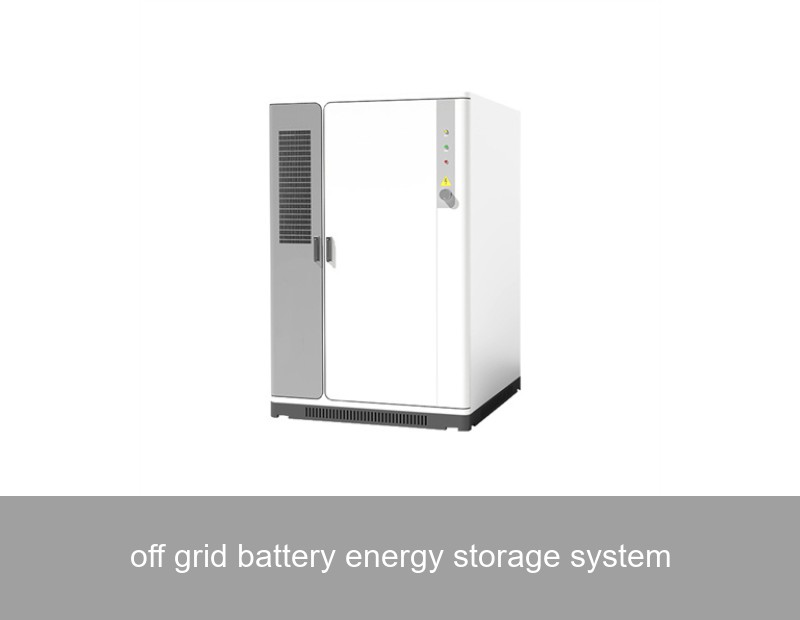
Imagine a home, a farm, or a remote research station, humming with activity and powered entirely by its own energy. No power lines in sight, no monthly utility bills, and complete resilience against grid outages. This isn't a futuristic dream; it's the reality made possible by a modern off grid battery energy storage system. For homeowners, businesses, and communities seeking true energy independence, these systems are the indispensable heart of a self-sustaining power setup. But what exactly makes a great off-grid system, and how do you ensure it's reliable through all four seasons? As a leader in advanced energy storage, Highjoule has been engineering robust solutions since 2005. Let's explore how the right technology turns the challenge of living off-grid into a seamless experience of freedom and control.
Table of Contents
- What is an Off-Grid Battery Energy Storage System?
- Key Components of a Reliable System
- The Heart of the System: Battery Technology Evolution
- Designing Your System: Beyond Just Batteries
- Highjoule's Role: Intelligent Storage for Demanding Environments
- The Future of Off-Grid Living
What is an Off-Grid Battery Energy Storage System?
Unlike grid-tied systems that supplement utility power, a true off grid battery energy storage system is a standalone power plant. Its primary mission is to store excess energy generated from sources like solar panels or wind turbines and deliver it on demand, 24/7, without any connection to the public electricity grid. Think of it as your personal energy bank: you make deposits (charging from solar) and make withdrawals (powering your appliances) whenever needed. The sophistication lies in its ability to manage this cycle intelligently, ensuring power is always available, even during periods of low generation—like a string of cloudy days or calm winds.

Image: A modern off-grid setup integrating solar generation and battery storage. Source: Unsplash
Key Components of a Reliable System
Building a resilient off-grid system is like assembling a championship team; every player has a critical role. It's more than just buying a large battery.
- Energy Generation (Solar PV, Wind, Hydro): This is your fuel source. Solar photovoltaic (PV) panels are the most common partner for off-grid battery systems.
- Battery Bank (The Core Storage): This is your energy reservoir. Its capacity (measured in kilowatt-hours, kWh) determines how long you can run without sun or wind.
- Charge Controller: This vital device protects your batteries by regulating the voltage and current from the solar panels, preventing overcharging.
- Inverter/Charger: The multi-tasking brain. It converts the DC electricity from batteries into AC power for your household appliances. In a multi-source setup, it also manages charging from backup generators.
- System Monitor & Controller: The command center. Modern systems, like those from Highjoule, feature intelligent energy management systems (EMS) that optimize every watt, predict usage, and provide remote monitoring via an app.
The Heart of the System: Battery Technology Evolution
The choice of battery technology fundamentally defines your system's performance, lifespan, and maintenance needs. The industry has moved far beyond the old, maintenance-heavy lead-acid batteries.
| Technology | Key Advantages | Considerations | Best For |
|---|---|---|---|
| Lithium Iron Phosphate (LFP) | Long lifespan (5,000+ cycles), high safety, excellent depth of discharge (90%+), low maintenance. | Higher upfront cost than lead-acid, requires a dedicated Battery Management System (BMS). | Virtually all modern off-grid applications seeking set-and-forget reliability. |
| Lead-Acid (Flooded) | Lowest upfront cost, well-understood technology. | Short lifespan, requires ventilation, regular maintenance (watering), limited depth of discharge (50%). | Tight budget projects where maintenance is not an issue. |
At Highjoule, our off grid battery energy storage system solutions are built around advanced LFP chemistry. We integrate a proprietary, adaptive BMS that not only protects each cell but also learns your energy patterns to maximize efficiency and longevity. This is crucial for off-grid scenarios where replacement is costly and logistically challenging.
Case Study: An Alpine Retreat's Winter Solution, Swiss Alps
The Phenomenon: A family-owned alpine lodge in Switzerland operated completely off-grid. Their legacy lead-acid battery system struggled during the long, sun-scarce winter months, forcing frequent and costly generator runs, disrupting the guest experience with noise and potential power gaps.
The Data & Solution: An energy audit revealed a critical need for a system that could handle a 3-5 day period of low solar input. Highjoule designed and deployed a 40 kWh LFP battery system paired with an existing 15 kW solar array. The intelligent inverter-charger was programmed for optimal generator integration, only starting it at the most efficient load point to recharge the batteries quickly.
The Outcome: The results were transformative:
- Generator runtime reduced by over 80%.
- The lodge achieved 99.8% renewable energy reliance year-round.
- Remote monitoring allowed the owners to manage the system from their valley home, improving operational peace of mind.
This real-world example underscores that a well-designed off grid battery energy storage system isn't just about capacity; it's about intelligent management in harsh, real-world conditions.

Image: Data visualization of energy production and storage cycling. Source: Unsplash
Designing Your System: Beyond Just Batteries
Sizing your system correctly is the single most important step. Under-sizing leads to blackouts; over-sizing wastes capital. Key factors include:
- Load Assessment: Calculating your total daily energy consumption (kWh/day) of all appliances.
- Autonomy Days: How many days of backup power do you need without sun? This depends heavily on your location. Data from sources like NREL's solar maps is invaluable here.
- Seasonal Climate: Temperature extremes affect battery performance and solar yield. Systems in Minnesota, USA, and Northern Norway must be designed very differently from those in Southern Spain or California.
Highjoule's Role: Intelligent Storage for Demanding Environments
Since 2005, Highjoule has specialized in powering independence. We understand that an off grid battery energy storage system must be more than a commodity; it must be a dependable partner. Our product suite for off-grid applications includes:
- Highjoule HPS Series: All-in-one, cabinetized power stations integrating LFP batteries, a hybrid inverter/charger, and our iEMS platform. They are pre-configured and tested for simplified, robust off-grid deployment.
- Highjoule iEMS (Intelligent Energy Management System): This software brain uses weather forecasting and usage learning to automate decisions. It can pre-charge batteries based on a cloudy forecast or schedule high-load appliances for peak sun hours.
- Scalable Architecture: Our modular design allows customers to start with a core system and expand battery capacity as needs grow, protecting their initial investment.
Our approach is holistic. We provide the technology and the expertise to ensure it is perfectly matched to your environment, whether it's a remote residential home, an agricultural operation, or a critical microgrid for a telecommunications site.
The Future of Off-Grid Living and Technology
The trajectory is clear: off-grid systems are becoming smarter, more integrated, and more accessible. We're moving towards systems that can seamlessly integrate multiple generation sources (solar + wind + hydro) and even manage fuel cells or hydrogen storage. The role of AI in predictive energy management, as highlighted in research from institutions like the U.S. Department of Energy, will further optimize these autonomous energy ecosystems.
What does true energy independence mean for you? Is it the resilience to withstand increasing grid instability, the freedom to build your home anywhere, or the satisfaction of a zero-carbon footprint? Whatever your motivation, the first step is understanding the core technology that makes it all work. What specific challenge in your journey to off-grid living are you most curious to solve?
 Inquiry
 Online Chat