


Lithium Solar Power Station: The Cornerstone of Modern Renewable Energy Systems
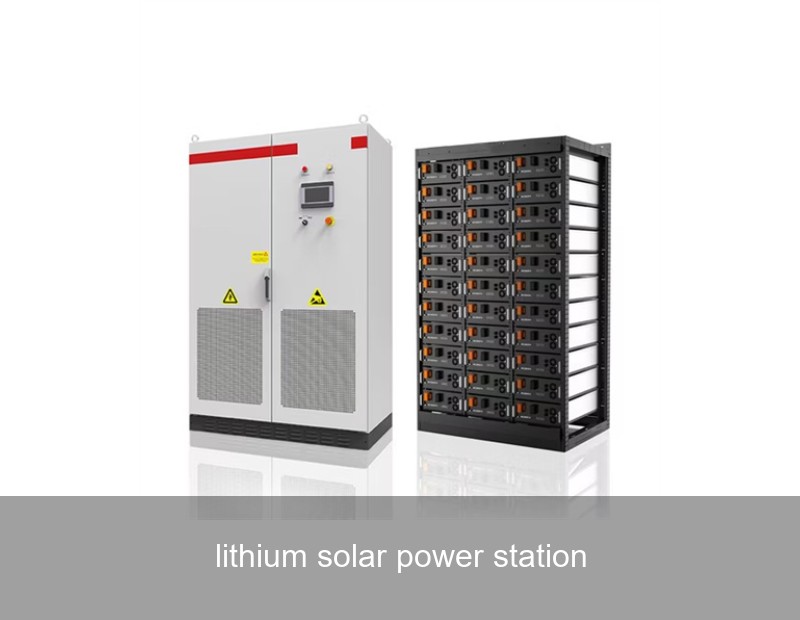
Table of Contents
Have you ever looked at a solar panel array on a sunny day and wondered, "What happens to all that extra energy when the sun goes down?" This is the fundamental challenge of renewable energy—intermittency. The answer, increasingly, is the lithium solar power station. More than just a battery, it's an integrated energy hub that captures, stores, and intelligently dispatches solar power, transforming sunlight into a reliable 24/7 electricity source for homes, businesses, and communities.
The Rise of Solar-Plus-Storage
The global energy landscape is shifting. As grids face strain and the push for decarbonization intensifies, pairing photovoltaic (PV) panels with energy storage is no longer a luxury; it's a strategic necessity. According to the International Energy Agency (IEA), solar PV capacity is set to surpass coal by 2027, and a significant portion of new deployments will be coupled with storage. The phenomenon is clear: solar generates power, but without storage, a large portion of its potential value is lost, especially during peak evening demand when the sun isn't shining.
The data underscores this trend. In the U.S., the solar-storage market is experiencing explosive growth. For instance, in 2023, the U.S. installed a record 5.6 GW of battery storage, a majority paired with solar, highlighting the move towards self-sufficient power islands. This is where the lithium-ion battery has become the undisputed champion, offering the high energy density, declining cost, and efficiency needed to make solar-plus-storage projects economically viable.
Why Lithium-Ion Dominates Solar Power Stations
Not all batteries are created equal for solar energy storage. While other chemistries exist, lithium-ion batteries offer a unique combination of benefits essential for a robust lithium solar power station:
- High Energy Density: They pack a lot of storage capacity into a compact footprint, crucial for both residential and commercial sites where space is limited.
- High Round-Trip Efficiency: Modern lithium systems can achieve over 95% efficiency. This means for every 100 kWh of solar energy you put in, you get over 95 kWh back—minimal energy is wasted as heat.
- Long Cycle Life and Depth of Discharge: Advanced lithium batteries, like the Lithium Iron Phosphate (LFP) chemistry used by Highjoule, can endure thousands of charge/discharge cycles while allowing deep use of their capacity without significant degradation.
- Rapid Response: They can switch from charge to discharge in milliseconds, providing critical grid services and protecting against outages.
At Highjoule, we've built our advanced energy storage solutions on these very principles. Our H-Joule Cube commercial & industrial (C&I) series is engineered specifically for integration with solar arrays. Utilizing stable LFP chemistry, it offers unparalleled safety and a lifespan exceeding 6000 cycles. Coupled with our intelligent Energy Management System (EMS), it transforms a simple solar installation into a resilient lithium solar power station that manages energy flow based on consumption patterns, weather forecasts, and utility rates.
Key Components of a Modern Lithium Solar Power Station
Understanding the system helps in appreciating its sophistication. A fully integrated station is more than panels and a battery box.
| Component | Role | Highjoule's Integrated Approach |
|---|---|---|
| Solar PV Array | Primary energy generator. | Compatible with all major PV inverter brands, ensuring seamless integration. |
| Lithium-Ion Battery Bank | The core storage unit. | Modular, scalable battery cabinets (like the H-Joule Cube) allowing for easy capacity expansion from 100 kWh to MWh scale. |
| Bi-Directional Inverter/Converter | Manages DC-AC conversion for battery charge/discharge. | Our systems feature high-efficiency, integrated power conversion systems (PCS) with multi-mode operation capabilities. |
| Energy Management System (EMS) | The "brain" that optimizes performance. | Highjoule's AI-driven EMS uses predictive algorithms to maximize self-consumption, schedule energy arbitrage, and ensure system health. |

Credit: Photo by American Public Power Association on Unsplash
Real-World Impact: A Case Study from Southern Europe
Let's move from theory to practice. A compelling example comes from a medium-sized winery in the Andalusia region of Spain. The winery had a 200 kWp solar installation but was still reliant on the grid during night-time operations and peak tariff periods. Their goal was to achieve 85% energy independence and stabilize cooling costs, critical for wine production.
The Solution: Highjoule deployed a 240 kWh lithium solar power station using three H-Joule Cube 80 units. The system was integrated with their existing solar inverters and controlled by our proprietary EMS, programmed to prioritize solar self-consumption, charge batteries during midday surplus, and discharge during expensive evening peak hours and nighttime.
The Data-Driven Outcome (12-month period):
- Grid Independence: Achieved 87% self-sufficiency, exceeding the target.
- Cost Savings: Reduced electricity costs by €28,000 annually, with a projected ROI of under 5 years.
- Reliability: Provided seamless backup power during two grid outages, preventing spoilage in temperature-controlled fermentation tanks.
- Carbon Footprint: Avoided an estimated 42 tonnes of CO2 emissions.
This case, documented in part with data from the International Renewable Energy Agency (IRENA) on regional solar potential, illustrates how a tailored lithium solar power station delivers tangible economic and operational resilience.
Future Trends and Intelligent Management
The next evolution of the lithium solar power station lies in grid interaction and intelligence. Systems like Highjoule's are now capable of virtual power plant (VPP) participation. This means aggregated distributed storage systems can provide grid services—like frequency regulation or peak shaving—creating a new revenue stream for system owners while supporting overall grid stability. The future is not just about storing energy, but about participating in a dynamic, two-way energy marketplace.
Choosing the Right Technology Partner
Investing in a solar-plus-storage system is a significant decision. The key is to partner with a provider that offers not just hardware, but holistic expertise. Since 2005, Highjoule has been at the forefront, designing and delivering turnkey solutions. Our process encompasses detailed site assessment, financial modeling, seamless integration, and ongoing remote monitoring. We ensure your lithium solar power station is a future-proof asset, not just a component.

Credit: Photo by Science in HD on Unsplash
What specific energy challenge—be it unpredictable demand charges, sustainability targets, or the need for backup power—could a lithium solar power station solve for your business or community?
 Inquiry
 Online Chat