


Unlocking Energy Independence: The Power of a 150 Ah Lithium Battery for Your Inverter
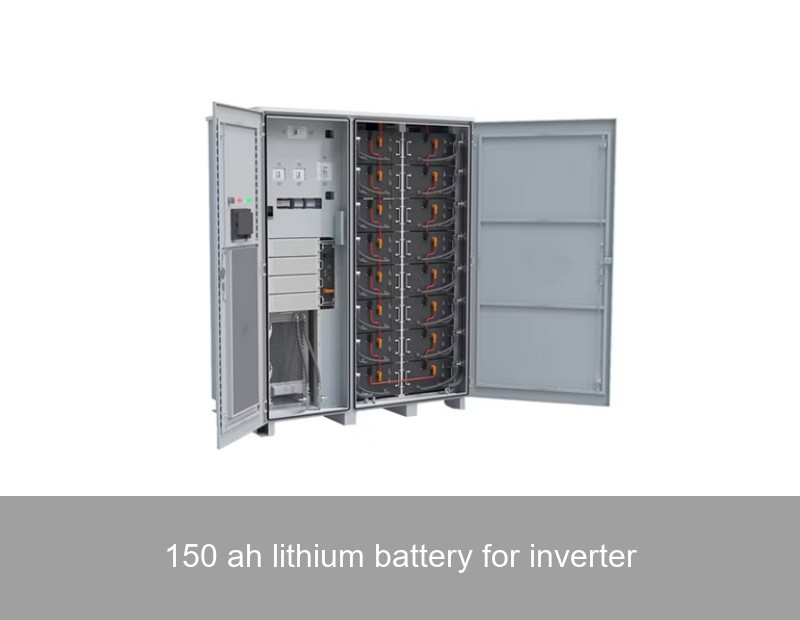
a storm knocks out the grid in your neighborhood. While others are left in the dark, your home hums along quietly. The lights stay on, the refrigerator keeps running, and your family's routine remains undisturbed. This isn't magic; it's the result of a well-designed solar-plus-storage system, with a robust 150 Ah lithium battery for inverter at its heart. But what exactly does this specification mean for you, and why is it becoming the go-to choice for homeowners across Europe and the US seeking energy security and savings?
Simply put, the "150Ah" (Ampere-hour) rating indicates the battery's capacity. Think of it as the fuel tank size. A 150Ah lithium battery, typically operating at 12.8V or 51.2V, stores a substantial amount of energy—around 1.92 kWh to 7.68 kWh depending on voltage. When paired with an inverter, this system converts the stored DC power into usable AC power for your household appliances. But the real story isn't just in the number; it's in the lithium technology behind it, which fundamentally changes how we store and use energy at home.

Image Source: Unsplash - A modern home battery setup, similar to integrated systems from providers like Highjoule.
Why Choose Lithium Over Lead-Acid? The Data Speaks for Itself
For decades, lead-acid batteries were the default option. Today, the shift to lithium-ion (specifically Lithium Iron Phosphate or LFP) is decisive. Let's break down why, using a clear comparison.
| Feature | 150Ah Lithium (LFP) Battery | 150Ah Lead-Acid Battery |
|---|---|---|
| Usable Depth of Discharge (DoD) | 90-100% | ~50% |
| Cycle Life (to 80% capacity) | 6,000+ cycles | 300-500 cycles |
| Efficiency | >95% | 70-85% |
| Lifespan | 10-15 years | 3-5 years |
| Maintenance | Virtually none | Regular watering & cleaning |
The numbers are staggering. With lithium, you're not just buying a battery; you're investing in a long-term energy asset. The high DoD means you can use almost all the 1.92 kWh (at 12.8V) you've paid for, not just half of it. The monumental cycle life translates to decades of daily use. This longevity and efficiency are precisely why companies like Highjoule build their residential energy storage systems around premium LFP chemistry. It delivers the reliability and total cost of ownership that modern homeowners demand.
Key Considerations for Your 150Ah Lithium Battery System
Choosing the right battery involves more than just capacity. Here are the critical factors to ensure your system performs optimally:
- Voltage Compatibility (12V, 24V, 48V): Your battery bank voltage must match your inverter's input requirements. A 48V system is now the standard for whole-home backup due to higher efficiency and lower current.
- Battery Management System (BMS): This is the brain of the battery. A high-quality BMS, like those integrated into every Highjoule unit, protects against overcharge, deep discharge, overheating, and ensures cell balancing for maximum life.
- Scalability: Can you add more batteries later? Modular systems allow you to start with a 150 Ah lithium battery for inverter setup and expand capacity as your needs grow—a core principle of Highjoule's design philosophy.
- Thermal Management: Lithium batteries perform best within a specific temperature range. Look for systems with built-in thermal management for consistent performance in both summer heat and winter cold.
Real-World Case Study: Powering a Self-Sufficient German Farmstead
Let's move from theory to practice. Consider the Müller family farmstead in Bavaria, Germany. Their goals were clear: reduce reliance on volatile grid prices, achieve energy self-sufficiency, and ensure backup power for critical farm operations.
The Challenge: High electricity costs (~€0.35/kWh) and frequent short grid outages affected their dairy cooling systems.
The Solution: A 15 kW solar array was installed on the barn roof, paired with a 48V energy storage system centered on Highjoule's modular lithium battery units, providing an initial usable capacity of 20 kWh (easily scalable by adding more modules). A hybrid inverter managed the flow between solar, battery, and grid.
The Data-Driven Outcome (First Year):
- Grid Independence: Achieved 85% self-consumption of solar energy, up from 30% without storage.
- Cost Savings: Reduced grid electricity purchases by 78%, saving over €2,800 annually.
- Reliability: Seamless backup power during 12 grid outages, the longest being 8 hours, with no interruption to farm operations.
- System Performance: Battery efficiency remained at 96.5%, with no noticeable degradation in capacity.
This case exemplifies how the right 150 Ah lithium battery for inverter technology, scaled appropriately, translates into tangible economic and resilience benefits. The Müller's system pays for itself in under 7 years and will continue delivering savings for well over a decade.

Image Source: Unsplash - Visualizing energy flows is key to maximizing savings, a feature of intelligent systems like Highjoule's.
The Highjoule Solution: Engineered for Reliability & Intelligence
As a global leader in advanced energy storage since 2005, Highjoule understands that a battery is more than just cells in a box. It's an integrated energy solution. Our Residential Energy Hub series is designed around the robust 150Ah-class LFP module, allowing for flexible configurations from 5 kWh to over 30 kWh of storage.
What sets our systems apart?
- Proactive Safety: Multi-layer protection with cell-level fusing, advanced BMS, and flame-retardant materials, certified to the highest international standards (UL, IEC).
- Seamless Integration: Our batteries are compatible with leading hybrid inverters, making them a perfect fit for both new solar installations and retrofits.
- Smart Energy Management: The Highjoule app provides real-time insights into your energy production, consumption, and storage. You can optimize modes for maximum self-consumption, time-of-use savings, or backup preparedness.
- Unmatched Warranty & Support: We back our technology with a comprehensive 10-year warranty, reflecting our confidence in the product's longevity and performance.
For commercial and industrial applications, our C&I ESS solutions offer even greater scale and sophisticated energy management for peak shaving and demand charge reduction.
The Future of Home Energy is Modular and Smart
The evolution of the 150 Ah lithium battery for inverter is moving towards even greater integration and intelligence. We're looking at future systems that can automatically participate in grid services (like virtual power plants), dynamically adjust to weather forecasts, and integrate with electric vehicle charging. The battery becomes the central hub of a smart, efficient, and resilient home energy ecosystem.
According to a report by the International Energy Agency, the global capacity of battery storage is set to multiply exponentially this decade, driven by cost declines and policy support. This isn't just a trend; it's a fundamental shift in our energy infrastructure, putting power—literally and figuratively—back into the hands of consumers.

Image Source: Unsplash - The complete vision: solar, storage, and electric transport working in harmony.
So, as you contemplate taking control of your energy costs and security, ask yourself: What would true energy resilience look like for your home or business, and what's the first step you need to take to map out your path to independence?
 Inquiry
 Online Chat