


Why an Integrated Energy Solution is the Smart Choice for Modern Power Needs
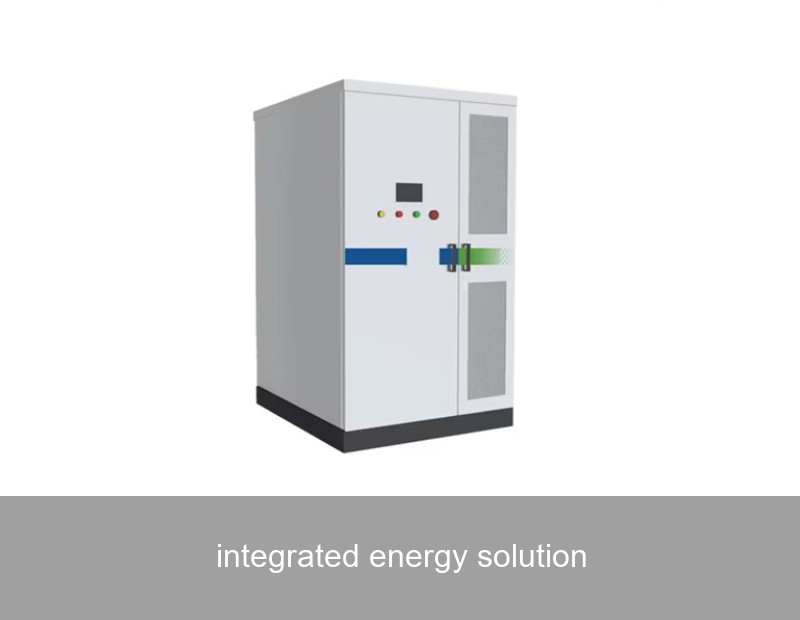
Have you ever wondered how businesses and communities can truly achieve energy independence, reduce costs, and support the grid—all at the same time? The answer lies not in a single piece of hardware, but in a smarter approach to managing power: the integrated energy solution. This concept moves beyond simply installing solar panels or a battery. It's about creating a cohesive, intelligent ecosystem where generation, storage, management, and consumption work in perfect harmony. For over 18 years, Highjoule has been at the forefront of this revolution, designing smart, efficient, and sustainable power solutions that bring this integration to life for commercial, industrial, residential, and microgrid applications worldwide.
Table of Contents
The Phenomenon: From Silos to Synergy
For decades, energy infrastructure was built in silos. The grid supplied power, a backup generator might kick in during an outage, and perhaps some solar panels helped trim the electricity bill. These components often didn't "talk" to each other, leading to inefficiencies, wasted potential, and complex maintenance. The rise of volatile energy prices, increasing frequency of extreme weather events, and stringent sustainability goals have exposed the limitations of this fragmented approach. The modern challenge is to create resilience and value from the entire energy portfolio, not just its individual parts. This is where the integrated energy solution becomes essential—it's the conductor that orchestrates the entire energy symphony.

Image Source: Unsplash - A visual representation of integrated solar and storage.
The Data: The Compelling Case for Integration
Let's look at the numbers. According to the International Energy Agency (IEA), renewables are set to contribute 80% of new power capacity by 2030. However, their intermittent nature poses grid stability challenges. Simultaneously, the U.S. Energy Information Administration notes that commercial electricity prices have seen significant fluctuations. An integrated solution directly addresses these issues:
| Challenge | Traditional Approach | Integrated Energy Solution |
|---|---|---|
| High Energy Costs | Passive consumption, limited control | Active load shifting, peak shaving, maximizing self-consumption of solar |
| Grid Instability | Contributes to the problem or remains passive | Provides grid services (frequency response, voltage support) through intelligent dispatch |
| Power Outages | Backup generator (noisy, polluting, delayed start) | Seamless transition to battery backup, maintaining critical operations |
| Sustainability Goals | May only address generation (solar) | Optimizes the entire carbon footprint of energy use, from generation to consumption |
The synergy created by integration can lead to a level of efficiency and return on investment that standalone systems simply cannot match. It transforms energy assets from cost centers into strategic, value-generating investments.
A Real-World Case Study: Integration in Action
Consider a mid-sized dairy processing plant in Bavaria, Germany. Facing rising electricity costs and pressure to meet corporate decarbonization targets, they needed a reliable way to power their 24/7 cooling and processing operations.
- Phenomenon: High baseload consumption, expensive peak-time energy charges, and a desire to utilize their large rooftop space.
- Solution: The plant implemented a turnkey integrated energy solution featuring a 850 kWp rooftop solar PV array, a 500 kWh Highjoule lithium-ion battery energy storage system (BESS), and Highjoule's proprietary Energy Management System (EMS).
- Data & Results:
- Energy Cost Reduction: By storing excess solar energy and discharging it during peak price hours (a strategy called arbitrage), the plant reduced its grid electricity purchases by 68% during peak periods.
- Self-Consumption: The system increased the direct use of onsite solar power from 35% to over 90%, drastically cutting waste.
- Resilience: The BESS provides seamless backup power for critical refrigeration units, preventing spoilage during grid outages.
- Revenue: The plant participates in Germany's primary control reserve market, with the EMS automatically bidding and dispatching the battery to earn additional grid service revenue.
This case, documented in a IRENA case study library on industrial decarbonization, exemplifies how integration creates multiple, compounding value streams from a single investment.
Key Insights: What Makes a Solution Truly Integrated?
Based on projects across Europe and North America, we've identified the core pillars of a successful integrated energy solution:
1. Unified Hardware Platform
Components must be designed to work together from the ground up. Incompatible inverters, batteries, and meters create communication bottlenecks and safety risks. A system like Highjoule's H-Series Commercial ESS is engineered as a unified platform, with perfectly matched power conversion, battery modules, and thermal management for optimal performance and longevity.
2. Intelligent "Brain": The Energy Management System (EMS)
This is the heart of integration. A sophisticated EMS doesn't just react; it predicts and optimizes. It uses weather forecasts, electricity price signals, and load patterns to make real-time decisions: "Should I charge the batteries now from the solar panels, or wait for a lower grid price tonight? Should I sell power back to the grid now or keep it for the upcoming peak?" Highjoule's Neuron EMS does exactly this, using AI-driven algorithms to maximize economic and operational outcomes.

Image Source: Unsplash - Representing an intelligent energy management system interface.
3. Grid Interaction Capabilities
A truly future-proof system is grid-aware and grid-supportive. It should be capable of bi-directional communication and provide services like frequency regulation, which helps stabilize the broader network. This turns your local energy asset into a citizen of the wider grid, creating revenue opportunities and supporting the community's energy transition.
The Highjoule Approach: Intelligence at the Core
At Highjoule, we don't just sell components; we deliver intelligent energy ecosystems. Our philosophy is that hardware is the body, but software is the mind. Our integrated energy solutions are built around this principle:
- For Commercial & Industrial Clients: Our scalable H-Series BESS, combined with the Neuron EMS, allows factories, offices, and farms to achieve unprecedented control over their energy destiny. We handle everything from design and grid compliance to commissioning and ongoing performance monitoring.
- For Residential Communities & Microgrids: We enable neighborhoods and campuses to create their own resilient energy networks. Our solutions can island from the main grid during outages, powering critical community services, and optimize shared resources among multiple stakeholders.
- Ongoing Partnership: Integration is not a one-time install. We provide continuous software updates, remote performance diagnostics, and expert support to ensure your system adapts to changing tariffs, regulations, and your own energy goals over its 15+ year lifespan.
Your Energy Future: Connected or Constrained?
The energy landscape is shifting from a one-way street to a dynamic, interactive network. The question is no longer if you should invest in solar or storage, but how you can weave these technologies into a resilient, profitable, and sustainable whole. Are you ready to explore how a tailored integrated energy solution can transform your energy profile from a predictable cost into a strategic asset? What would energy independence and stability mean for your operations or community?
 Inquiry
 Online Chat