


Beyond the Meter: What a Truly Complete Energy Solutions LLC Actually Delivers
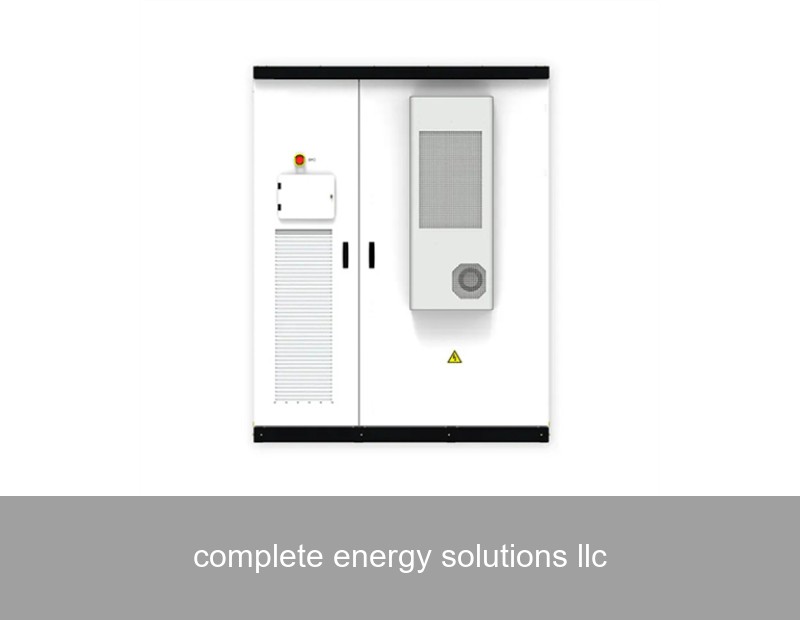
If you're searching for a "Complete Energy Solutions LLC," you're likely looking for more than just a solar panel installer or a generator supplier. You're seeking a strategic partner to address a complex puzzle: rising costs, grid instability, sustainability goals, and the need for operational resilience. In today's energy landscape, a "complete solution" is an integrated ecosystem that intelligently generates, stores, manages, and optimizes power. This article explores the core components of such a system and how forward-thinking businesses are leveraging them to take definitive control of their energy future.
What is a "Complete Energy Solution" in Today's World?
Gone are the days when energy solutions were single, siloed products. A modern complete energy solution is a harmonized blend of hardware and software designed to achieve specific financial and operational outcomes. Think of it not as a collection of parts, but as a sophisticated energy conductor for your home or business.
- Generation: Typically renewable sources like solar PV or wind.
- Storage: The heart of modern systems – advanced battery storage to time-shift energy.
- Management & Software: The "brain" that optimizes energy flow based on weather, tariffs, and consumption patterns.
- Grid Interaction: Capabilities for backup power, demand response, and even feeding surplus power back safely.
This integrated approach is where companies like Highjoule excel. Founded in 2005, we've evolved from a battery technology pioneer into a global provider of intelligent, integrated storage systems that form the cornerstone of any true complete energy solution. Our systems are designed to seamlessly connect with generation assets and building management systems, creating a unified, smart energy network.
The Modern Grid Challenge: Intermittency and Cost
The push for complete energy solutions isn't happening in a vacuum. It's a direct response to two pervasive phenomena.
Phenomenon: Renewable energy generation is variable. The sun sets, and the wind calms. This intermittency challenges grid stability, especially as renewables claim a larger share of the generation mix. For the end-user, this can translate to volatile time-of-use rates and concerns about reliability.
Data: According to the U.S. Department of Energy's Solar Futures Study, solar could account for up to 40% of U.S. electricity by 2035, necessitating massive investments in flexibility and storage. In Europe, the European Environment Agency reports that renewable electricity generation surpassed that from fossil fuels for the first time in 2020, a trend accelerating grid modernization efforts.
This is the critical gap that standalone solar or wind cannot fill. The missing link is intelligent storage—the ability to capture excess energy and deploy it precisely when it's needed most, either for self-consumption, backup, or grid services.

Image: A modern industrial site integrating solar generation with on-site battery storage. Credit: Unsplash.
The Intelligent Core: Advanced Battery Energy Storage Systems (BESS)
At the center of any effective complete energy solution is the Battery Energy Storage System (BESS). But not all BESS are created equal. The difference lies in intelligence, safety, and integration capabilities.
Highjoule's BESS platforms, such as our H-Series for Commercial & Industrial applications and our integrated Home Energy Hub, are built with this philosophy. They feature:
- Advanced Battery Management Systems (BMS): Ensuring longevity, safety, and optimal performance of lithium-ion cells.
- Hybrid Inverter Technology: Capable of integrating DC-coupled solar and AC grid/generator inputs for maximum efficiency.
- Scalable Architecture: Solutions that can start small and grow modularly with your energy needs.
- Cybersecurity & Grid Compliance: Built to meet stringent international standards like UL 9540 and relevant grid codes for safe interconnection.
This makes the BESS far more than a backup battery; it's an active financial asset.
| Mechanism | How It Works | Direct Benefit |
|---|---|---|
| Arbitrage | Store energy when rates are low (e.g., at night), use it when rates are high (peak afternoon). | Reduced utility bills, often with a payback period under 5 years. |
| Peak Shaving | Discharge battery to cap your facility's maximum power draw from the grid. | Avoidance of costly "demand charges" that can constitute 30-50% of a commercial bill. |
| Backup Power | Provide seamless, instantaneous power during grid outages. | Prevents operational downtime, data loss, and revenue interruption. |
| Renewable Self-Consumption | Store excess solar generation instead of selling it back at low rates. | Maximizes ROI on solar PV assets, increasing self-sufficiency to 70-80%+. |
How Highjoule Delivers Complete Energy Solutions
As a complete energy solutions partner, Highjoule's role extends beyond hardware. Our approach is consultative and system-centric.
Our Product Ecosystem:
- Industrial & Utility-Scale BESS (H-Series): Containerized, high-power solutions for factories, data centers, and microgrids.
- Commercial & C&I Systems (M-Series): Rack-mounted units ideal for medium-sized businesses, schools, and municipal buildings.
- Residential Energy Hub: An all-in-one unit combining inverter, battery, and management for homes.
- Orion Energy Management Software (EMS): The cloud-based platform that orchestrates all assets. Using AI and weather forecasting, Orion automatically chooses the most economical and resilient operating mode.
Our Service Model:
We work with a network of certified partners—the true "Complete Energy Solutions LLC" installers in your region. We provide them with the technology, training, and design support to deliver a turnkey system: from initial energy audit and financial modeling, through system design and permitting, to installation, commissioning, and ongoing performance monitoring.
Case Study: A Berlin Manufacturing Plant's Journey to Resilience
Phenomenon: A mid-sized automotive parts manufacturer in Berlin faced steep and unpredictable energy costs, alongside growing pressure from its parent company to reduce carbon emissions. Occasional grid brownouts also risked disrupting sensitive production lines.
Solution: Working with a local Highjoule partner, they implemented a complete energy solution featuring:
- A 500 kW rooftop solar PV array.
- A 750 kWh / 500 kW Highjoule H-Series battery storage system.
- Integration with their existing building load.
- Orion EMS configured for peak shaving, solar optimization, and backup power for critical lines.
Data & Results (12-month post-installation):
- Energy Cost Reduction: 68% decrease in demand charges; overall electricity bill reduced by 41%.
- Self-Consumption: Increased consumption of self-generated solar power from 35% to over 90%.
- Resilience: The system provided seamless backup during two grid disturbances, preventing an estimated €120,000 in potential production losses.
- Sustainability: Achieved a 62% reduction in scope 2 carbon emissions from electricity.
This case exemplifies the multi-faceted return on investment a truly integrated system provides, transforming energy from a cost center into a strategic, manageable asset.

Image: A technician performing maintenance on a large-scale battery energy storage system. Credit: Unsplash.
The Future is Integrated: From Backup to Active Energy Management
The evolution of complete energy solutions is moving towards even greater grid interactivity. Future systems will not just consume or island from the grid; they will participate in it. Imagine your business's aggregated storage capacity being used to help balance the regional grid during times of stress—and getting paid for it through demand response programs or frequency regulation markets.
Highjoule's platforms are already designed with this "grid-responsive" future in mind. Our Orion EMS can be configured to participate in such programs where available, adding another revenue stream to the system's financial model.
Is Your Current Energy Strategy Truly "Complete"?
Ask yourself: Does your current setup merely source power, or does it actively manage it for cost, carbon, and reliability? If you have solar without smart storage, you're missing key financial benefits. If you have a generator alone, you're exposed to fuel costs and emissions without daily ROI.
The journey begins with a conversation about your specific load profile, utility rate structure, and operational goals. What would a 40% reduction in your annual energy spend mean for your business's bottom line or your household's budget? What is the true cost of a two-hour power outage for you?
 Inquiry
 Online Chat