


How to Build a Solar Array: A Comprehensive Guide for Homeowners and Businesses

So, you're thinking about how to build a solar array. That's a fantastic decision, whether you're a homeowner looking to slash energy bills or a business aiming for energy independence and sustainability. The process might seem daunting at first—a mix of engineering, logistics, and regulations. But fear not. This guide will walk you through the essential steps, from initial planning to flipping the switch, with a special focus on maximizing your investment through intelligent energy storage. As a global leader in advanced energy storage systems, Highjoule has been at the heart of powering sustainable solutions since 2005, and we know that a modern solar array isn't complete without a plan for storing that precious clean energy.
Table of Contents
The Solar Array Blueprint: More Than Just Panels
Let's clear up a common misconception. A solar array is not just a collection of photovoltaic (PV) panels on a roof. It's a complete system designed to capture, convert, manage, and often store solar energy. The core components include the PV panels themselves, mounting racks, inverters (which convert DC solar power to usable AC power), wiring, and a crucial component often overlooked: the battery energy storage system (BESS). Thinking about storage from the outset is key. Without it, excess energy you produce on a sunny afternoon is sent back to the grid, often for minimal compensation, leaving you drawing expensive power from the grid at night. Integrating a solution like Highjoule's HES Series from the start transforms your solar array into a true personal power plant, maximizing self-consumption and providing critical backup power.
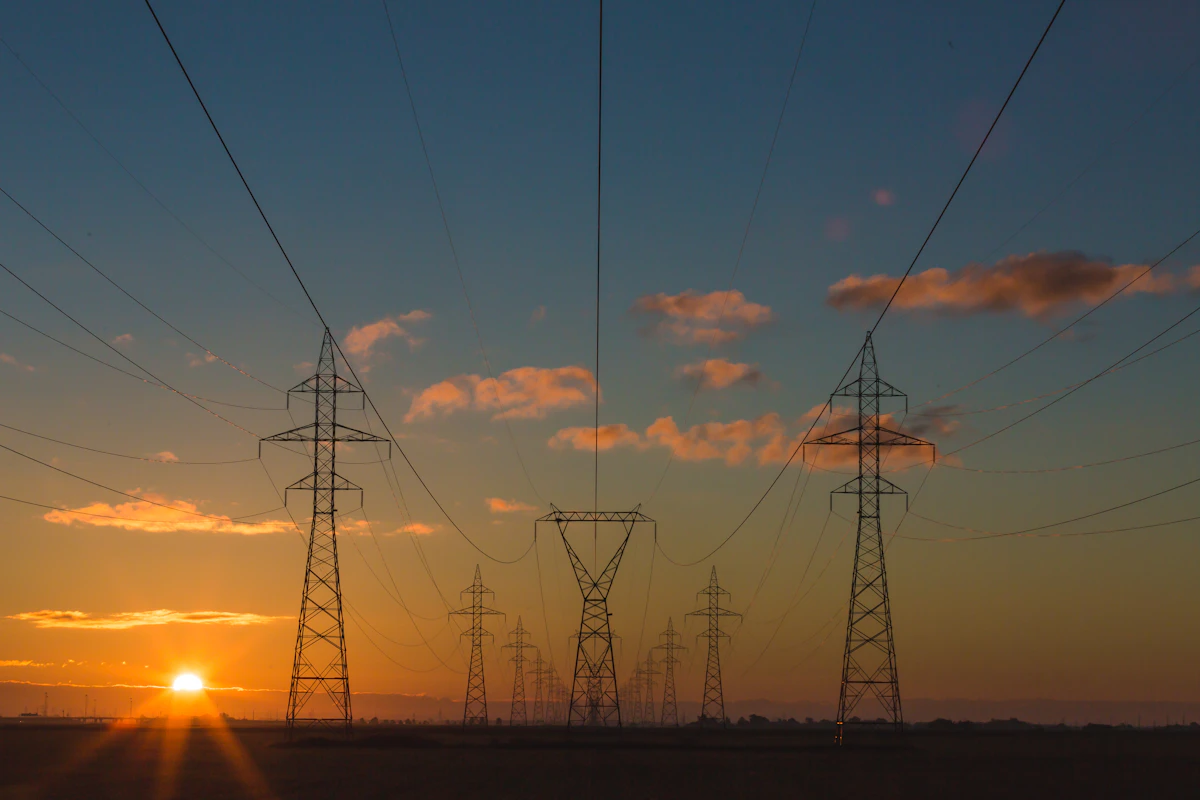
Image Source: Unsplash - Professional planning ensures optimal solar array placement and performance.
Step-by-Step: How to Build Your Solar Array
Building a reliable and efficient solar array is a structured process. Skipping steps can lead to underperformance, safety issues, or lost financial benefits.
Step 1: Energy Assessment & Site Evaluation
First, understand your energy needs. Review your past year's electricity bills to calculate your average monthly consumption (in kWh). Next, evaluate your site. A professional installer will assess:
- Roof Condition & Orientation: South-facing (in the Northern Hemisphere) roofs with a 30-45 degree angle are ideal. Shading from trees or chimneys is a major factor.
- Local Climate: Peak sun hours vary by location. Data from sources like the National Renewable Energy Laboratory (NREL) is invaluable.
- Electrical System: Your main service panel must have capacity for the new solar connections.
Step 2: System Design & Component Selection
This is where your system comes to life. A good design balances output, cost, and aesthetics.
| Component | Key Considerations | Highjoule Insight |
|---|---|---|
| Solar Panels | Efficiency rating, warranty, tier-1 manufacturer. | Higher efficiency saves space but consider cost/benefit. |
| Inverter | String vs. Microinverters, capacity matching panel output. | Choose inverters compatible with future storage expansion. |
| Energy Storage | Capacity (kWh), power rating (kW), depth of discharge, cycle life. | Highjoule's HES Series offers modular, scalable lithium-ion storage with advanced battery management for safety and longevity, seamlessly integrating with new or existing arrays. |
| Mounting System | Roof type (composite, tile, metal), wind/snow load ratings. | Must be certified for your local conditions. |
Step 3: Permits, Financing, and Incentives
Navigating bureaucracy is a critical step. You'll need building and electrical permits. Your installer typically handles this. Financing options include cash purchases (highest ROI), loans, or leases. Crucially, research incentives! In the US, the federal Investment Tax Credit (ITC) significantly reduces cost. In Europe, programs vary by country, like the UK's renewable energy grants or Germany's EEG provisions. Many of these incentives now explicitly include battery storage, making the integrated solar-plus-storage solution more affordable than ever.
Step 4: Professional Installation & Inspection
Once permits are secured, installation begins: mounting racks, installing panels and inverters, electrical wiring, and integrating the storage system. A qualified electrician must connect the system to your main panel. Finally, a local building authority inspector will ensure everything meets code before your utility grants "Permission to Operate" (PTO), allowing you to turn the system on.
The Missing Piece: Why Your Solar Array Needs Storage
Imagine your solar array produces 40 kWh on a sunny day, but your home only uses 25 kWh during daylight hours. Without storage, 15 kWh is exported. In the evening, when the sun is down but your family is home using appliances, you import 10 kWh from the grid. You've become a mini-utility, selling low and buying high. A battery storage system breaks this cycle. It captures that excess 15 kWh for use in the evening, drastically reducing your grid dependence. For commercial and industrial applications, this is even more critical. Highjoule's HIQ Energy Management Platform intelligently controls this flow, deciding when to store, use, or export energy based on weather forecasts, tariff rates, and consumption patterns, ensuring every kilowatt-hour of your solar investment works hardest for you.

Image Source: Unsplash - A complete home energy system with solar, storage, and EV charging.
Case Study: A German Bakery's Recipe for Energy Independence
Let's look at a real-world example from Bavaria, Germany. Bäckerei Schmidt (name changed for privacy), a medium-sized bakery with high energy demands for ovens and refrigeration, faced rising energy costs and grid instability concerns. Their goal: secure 80% energy self-sufficiency.
Project: In 2023, they installed a 100 kW rooftop solar array coupled with a 240 kWh Highjoule HES-240 commercial battery storage system.
Process & Data:
- The solar array was designed to cover daytime production loads.
- The large-capacity HES-240 was programmed to charge from excess solar and during low-cost, off-peak grid hours (using Highjoule's IHQ platform).
- It then discharges during early morning baking peaks (5 AM - 9 AM) and evening hours when solar production is zero but ovens are still cooling.
- Grid Independence: Achieved 85% self-consumption of solar energy, exceeding their goal.
- Cost Savings: Reduced grid electricity purchases by 72%, paying off the system in under 7 years.
- Resilience: During two planned grid outages, the bakery continued full operations, preventing thousands of Euros in lost product and sales.
Beyond Installation: Monitoring and Maximizing Your Investment
After learning how to build a solar array and getting it installed, the journey isn't over. Proactive monitoring is crucial. Most modern systems, including Highjoule's, offer user-friendly apps that show real-time production, consumption, and storage levels. Watch for trends. Is production dipping seasonally (expected) or suddenly (maybe a fault or shading issue)? Use your data to shift usage patterns—run your dishwasher or charge your EV when the sun is shining or the battery is full. The most sophisticated systems can even participate in grid services, like frequency regulation, generating additional revenue.
Now that you understand the roadmap for how to build a solar array that's truly future-proof, what's the first energy-intensive appliance in your home or business you'd love to power permanently with your own clean, stored solar energy?
 Inquiry
 Online Chat