


The Future of Lithium Batteries: Powering a Sustainable Tomorrow
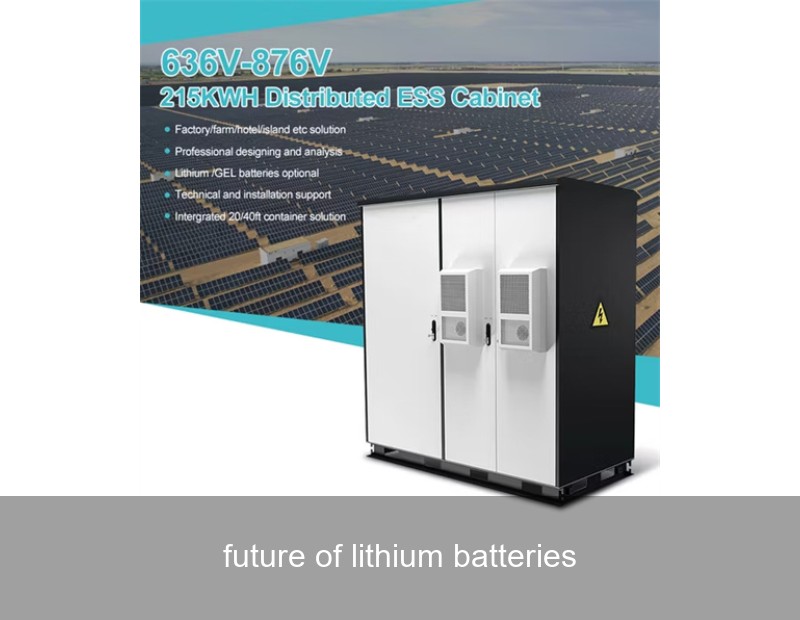
For decades, lithium-ion batteries have been the quiet powerhouse behind our portable electronics. But today, their role is undergoing a seismic shift. The future of lithium batteries is no longer confined to our pockets; it's about reshaping our global energy landscape, enabling the widespread adoption of renewables, and providing resilience to our grids. As we stand at the cusp of an energy revolution, what breakthroughs are on the horizon, and how will they directly impact how we power our homes, businesses, and communities? Let's explore.
Table of Contents
The Phenomenon: From Gadgets to Grids
The story of lithium batteries is a classic tale of technology finding a greater purpose. Initially perfect for laptops and phones due to their high energy density, the same core technology is now answering one of the most pressing challenges of our time: how to store intermittent renewable energy from solar and wind. This transition from consumer electronics to stationary energy storage systems (ESS) is the single biggest driver for the future of lithium batteries. It demands not just more energy, but longer life, greater safety, and unprecedented scalability.

Think about it: a cloudy day or a calm period shouldn't mean a loss of power when you have solar panels. This is where advanced lithium battery systems come in, acting as a buffer, storing excess energy and releasing it when needed. This simple concept is revolutionizing energy independence for homeowners and grid stability for utilities.
The Data: A Market Primed for Exponential Growth
The numbers speak volumes. According to BloombergNEF, global energy storage installations are set to soar, reaching terawatt-hour (TWh) scale by 2030, a monumental leap from today's capacity. A significant portion of this will be lithium-based. The U.S. Inflation Reduction Act and Europe's ambitious REPowerEU plan are pouring policy fuel on this fire, creating a fertile ground for innovation and deployment. This isn't just speculation; it's a data-driven trajectory. The International Energy Agency (IEA) consistently highlights energy storage as a critical pillar for achieving net-zero emissions, noting its vital role in integrating variable renewables (IEA, Energy Storage).
Key Innovations Defining the Future
The future of lithium batteries isn't a single path, but a multi-lane highway of innovation. Here are the most promising directions:
Solid-State Batteries: The Holy Grail?
Often touted as the next big leap, solid-state batteries replace the flammable liquid electrolyte with a solid one. The potential benefits are transformative: higher energy density (longer range for EVs, more compact storage), radically improved safety (no fire risk), and faster charging. While major automotive and tech companies are racing to commercialize them, challenges remain in manufacturing cost and scalability. For large-scale energy storage, the safety and longevity promise is particularly compelling.
Lithium Iron Phosphate (LFP): The Safe & Sustainable Champion
While solid-state is the future star, LFP chemistry is the reliable workhorse powering the present. It's becoming the dominant choice for stationary storage, and for good reason. Unlike some older chemistries, LFP batteries contain no cobalt, making them more ethical and less price-volatile. Their key strengths align perfectly with ESS needs:
- Superior Safety: Highly stable chemistry, significantly more resistant to thermal runaway.
- Long Cycle Life: Can withstand thousands of charge/discharge cycles, delivering a lower total cost of ownership over decades.
- High Efficiency: More of the stored energy is usable, with less loss during operation.
At Highjoule, our H-Series commercial and industrial storage solutions are built on high-performance LFP cells. We've chosen this chemistry because our priority is delivering systems that our clients can trust to operate safely and reliably for 15+ years, maximizing return on investment and minimizing operational risk.
Beyond Lithium-Ion: The Next Frontier
Looking even further ahead, research is buzzing on post-lithium technologies like sodium-ion batteries. Using abundant, low-cost materials like sodium, these batteries promise to be cheaper and even more sustainable, ideal for large-scale grid storage where energy density is less critical than cost per cycle. While not ready to replace lithium-ion everywhere, they represent a crucial diversifying force for the future energy storage mix.
Case Study: Grid Stability in Germany's Renewable Heartland
Let's ground this in reality. Germany, a leader in the Energiewende (energy transition), faces a classic challenge: its northern regions produce abundant wind power, but the industrial south often needs more. Transporting this power strains the grid. A solution? Deploy large-scale battery storage at strategic grid nodes.
In 2022, a major project in Schwerin, Northern Germany, came online. This 50 MW / 100 MWh battery storage facility uses advanced lithium-ion (LFP) technology. It doesn't just store energy; it provides critical grid services like frequency regulation—acting as a shock absorber for the grid, maintaining the precise 50 Hz frequency—and relieving congestion on transmission lines. In its first year of operation, the system provided over 10,000 grid-stabilizing interventions, proving its worth as a flexible, fast-responding asset. This is a tangible example of how the future of lithium batteries is already stabilizing today's grids (Fraunhofer ISE, 2022).

System Intelligence: The Brains Behind the Battery
The future isn't just about the battery cell chemistry. It's equally about the intelligence that manages it. A battery without smart software is like a powerful computer without an operating system. The true value of a modern ESS lies in its ability to make autonomous decisions: when to charge (e.g., when solar is plentiful or electricity is cheap), when to discharge (during peak demand or a power outage), and how to optimize for self-consumption, cost savings, or grid support.
This is where companies like Highjoule excel. Our Adaptive Energy Operating System (AEOS) is the neural network of our storage solutions. For a microgrid at a remote industrial site, AEOS might prioritize resilience, keeping critical loads online during an outage. For a commercial building in California, it would be programmed to aggressively reduce demand charges by discharging during the most expensive peak hours. The hardware stores the energy, but the software unlocks its value and future-proofs the investment.
Highjoule's Role in This Evolving Future
Since 2005, Highjoule has been at the forefront of turning battery potential into real-world power solutions. We view the exciting innovations in lithium technology as tools in our toolbox to solve specific customer problems. Our approach is application-led, not just technology-led.
Whether it's our Residential PowerWall series giving homeowners independence, our robust H-Series for C&I clients cutting energy bills and ensuring operational continuity, or our custom Microgrid Controllers that integrate solar, storage, and generators into a seamless system, our focus is on delivering intelligent, efficient, and sustainable outcomes. We carefully select and engineer battery chemistries, like LFP, that offer the best balance of safety, life, and performance for the duty cycle required. We then wrap them in our proprietary intelligence to ensure they deliver maximum financial and operational value for decades.
| Application | Highjoule Solution | Key Battery Benefit |
|---|---|---|
| Home Energy Independence | PowerWall + Solar Integration | Maximizes self-consumption of solar, provides backup power. |
| Commercial Cost Savings | H-Series with AEOS Software | Reduces peak demand charges, optimizes time-of-use rates. |
| Grid & Utility Services | Containerized MegaPack Systems | Provides fast-frequency response, defers grid upgrades. |
Your Energy Future
The future of lithium batteries is bright, diverse, and fundamentally connected to a cleaner, more resilient energy system. It’s a future where technology serves sustainability. But this future isn't just something that happens to us; it's something we can actively shape for our homes, businesses, and communities. The question is no longer *if* battery storage will play a role, but *how* and *when* it will optimize your energy profile. What specific energy challenge—be it rising costs, reliability concerns, or sustainability goals—could a smart storage system start solving for you today?
 Inquiry
 Online Chat