


Energy Storage Cabinet Three Phase: The Backbone of Modern Commercial & Industrial Power Resilience
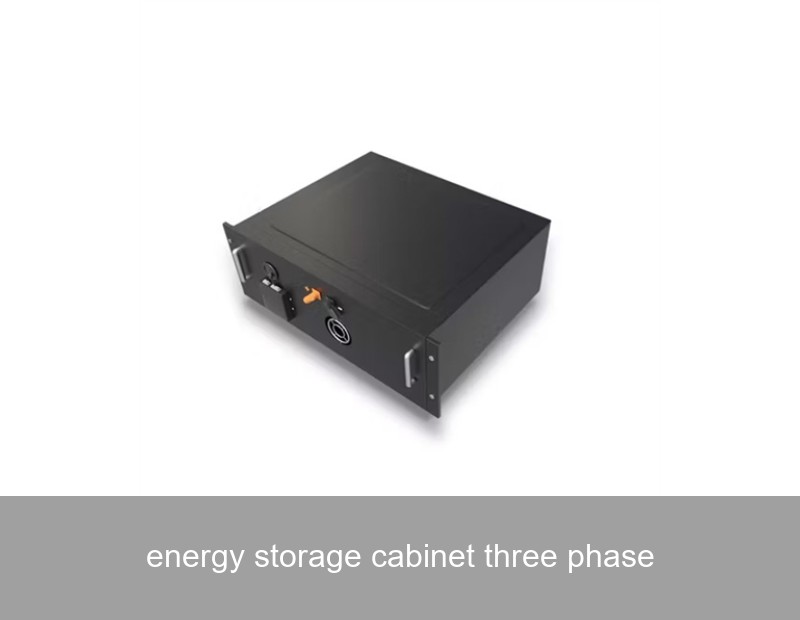
Have you ever walked past a bustling factory, a large supermarket, or a data center and wondered how they keep the lights on so reliably, especially when the grid is stressed or electricity prices are soaring? The answer increasingly lies in a robust, often unsung hero: the three-phase energy storage cabinet. This isn't just a big battery; it's a sophisticated, intelligent power management system that is revolutionizing how businesses consume and manage energy. For facility managers, energy directors, and business owners across Europe and the U.S., understanding this technology is key to unlocking significant cost savings, achieving energy independence, and contributing to a more stable, sustainable grid. Let's delve into why three-phase energy storage is becoming indispensable.
Table of Contents
- What is a Three-Phase Energy Storage Cabinet?
- Why Three-Phase Power is Critical for C&I
- Key Benefits of Deploying a Three-Phase System
- A Real-World Case Study: Manufacturing in Germany
- Choosing the Right System: What to Look For
- Highjoule's Advanced Three-Phase Solutions
- The Future Outlook for Energy Storage
What is a Three-Phase Energy Storage Cabinet?
At its core, a three-phase energy storage cabinet is a modular, containerized unit that stores electrical energy, typically from the grid or on-site renewables like solar, and delivers it as stable, three-phase alternating current (AC) power. Unlike single-phase systems common in homes, three-phase systems provide three alternating currents, evenly spaced in phase, which allows for a more powerful and balanced delivery of electricity. This makes them perfectly suited for commercial and industrial (C&I) applications with high-power demands.
Think of it like plumbing: a single-phase system is a single pipe delivering water, adequate for a house. A three-phase system is like three synchronized pipes delivering water simultaneously, which is essential for supplying a large apartment building or factory without drops in pressure. The "cabinet" itself is an integrated system housing:
- Battery Modules: The core energy storage units, usually based on lithium-ion chemistry for high density and long life.
- Power Conversion System (PCS): The intelligent brain that converts DC battery power to AC grid power and manages the flow.
- Battery Management System (BMS): Continuously monitors cell voltage, temperature, and health for safety and longevity.
- Thermal Management: A crucial cooling system to maintain optimal operating temperatures.
- Safety & Grid Integration Components: Including circuit breakers, fire suppression, and grid-communication interfaces.

Image Source: Unsplash (Representative image of industrial energy equipment)
Why Three-Phase Power is Critical for C&I Applications
Virtually all commercial and industrial facilities in Europe and North America are powered by three-phase electrical service. The reasons are rooted in efficiency and power quality:
- High-Power Equipment: Industrial motors, heavy machinery, large HVAC systems, and data center servers run more efficiently and reliably on three-phase power. It delivers constant power, reducing vibration and wear on motors.
- Balanced Load: It distributes the electrical load evenly across three conductors, allowing for smaller, more cost-effective wiring and reducing losses.
- Grid Stability: For the business, a three-phase energy storage cabinet can provide backup power to the entire facility, not just select circuits. For the grid, these systems can provide vital services like frequency regulation and voltage support.
Integrating an energy storage system that natively outputs three-phase AC is therefore not a luxury—it's a necessity for seamless, effective integration into existing electrical infrastructure.
Key Benefits of Deploying a Three-Phase System
The business case for a commercial-grade energy storage cabinet three phase system is compelling and multi-faceted.
| Benefit | Description | Direct Impact |
|---|---|---|
| Peak Shaving | Using stored energy during periods of high grid demand (peak hours) to avoid steep demand charges from utilities. | Can reduce electricity bills by 20-30% for C&I customers. |
| Backup Power | Providing instantaneous, seamless power during grid outages to maintain critical operations. | Prevents costly downtime, data loss, and production halts. |
| Renewables Integration | Storing excess solar or wind energy generated during the day for use at night or during cloudy periods. | Maximizes self-consumption, often increasing the ROI of solar investments by 50% or more. |
| Revenue Generation | Participating in grid service programs like frequency response or capacity markets (where available). | Creates a new revenue stream, improving system payback period. |
| Sustainability Goals | Reducing reliance on fossil-fuel peaker plants and lowering the facility's carbon footprint. | Enhances ESG (Environmental, Social, and Governance) reporting and corporate image. |
A Real-World Case Study: Boosting Resilience and ROI in German Manufacturing
Let's look at a concrete example. A mid-sized automotive parts manufacturer near Stuttgart, Germany, faced two major challenges: volatile energy prices and a need for ultra-reliable power for precision machinery. Their solar PV system covered about 40% of their daytime load, but excess solar was being sold to the grid at a low feed-in tariff, while they still bought expensive power in the evening.
The Solution: In 2022, they installed a 500 kWh / 250 kW three-phase energy storage cabinet system, integrated with their existing solar array and factory three-phase electrical system.
The Data-Driven Results (after 18 months):
- Demand Charge Reduction: By strategically discharging the battery during peak grid periods (4 PM - 9 PM), they slashed peak demand by 45%, saving over €18,000 annually in demand charges alone.
- Increased Self-Consumption: Solar self-consumption rate jumped from 35% to 82%, meaning they used their own clean energy instead of buying from the grid.
- Backup Assurance: The system provides 4 hours of full-facility backup power, having already prevented two potential production stoppages due to brief grid disturbances.
- ROI: The projected payback period for the entire storage system is under 6 years, factoring in savings, increased solar value, and German subsidy programs.
This case illustrates the tangible, bottom-line impact a well-engineered three-phase storage system can deliver. For more on grid services in Europe, see the European Network of Transmission System Operators for Electricity (ENTSO-E).
Choosing the Right System: Key Technical and Commercial Considerations
Not all energy storage cabinet three phase solutions are created equal. When evaluating options, decision-makers should focus on:
- Scalability & Modularity: Can you start with a smaller capacity and add cabinets as needs grow?
- Depth of Discharge & Cycle Life: A battery that can be safely discharged deeper for more usable energy and one rated for thousands of cycles will have a longer, more productive life.
- Integration Capabilities: Seamless integration with existing solar inverters, building management systems (BMS), and energy management software (EMS) is crucial for intelligent control.
- Safety Certifications: Look for UL 9540 (USA) or IEC 62619 (International) certifications, which are industry benchmarks for safety.
- Total Cost of Ownership (TCO): Look beyond upfront price to include installation, maintenance, warranty, and expected degradation over 10+ years.
Highjoule's Role: Delivering Intelligent Three-Phase Storage Solutions
At Highjoule, with nearly two decades of experience since 2005, we specialize in designing and manufacturing advanced, intelligent three-phase energy storage cabinets tailored for the demanding needs of commercial, industrial, and microgrid applications. Our solutions are engineered for performance, safety, and longevity.
Our flagship product line, the H-Series Commercial Energy Storage System, exemplifies this commitment. These cabinets are:
- All-in-One & Pre-Integrated: Featuring our high-density lithium ferro-phosphate (LFP) battery modules, a high-efficiency bi-directional PCS, and advanced liquid cooling in a single, sleek cabinet for simplified installation.
- Intelligently Managed: Powered by our proprietary JouleMind AI platform, which optimizes system performance in real-time for peak shaving, solar self-consumption, and participation in grid programs, maximizing financial return.
- Uncompromising on Safety: Built with a multi-layer safety architecture, from cell-level fuses to cabinet-level fire suppression, all certified to the highest international standards.
- Globally Supported: With service and support networks in Europe and North America, we ensure our clients' systems operate at peak performance for their entire lifecycle.

Image Source: Unsplash (Representative image of engineer monitoring industrial control system)
Whether it's for a chain of supermarkets in the UK looking to cap energy costs, a data center in Texas requiring flawless backup power, or a municipal microgrid in Southern Europe integrating solar and wind, Highjoule provides the robust, smart infrastructure to make it happen. Learn more about grid-scale storage trends from the U.S. Department of Energy's (Office of Energy Efficiency & Renewable Energy).
The Future Outlook: More Than Just Backup Power
The evolution of the energy storage cabinet three phase is moving beyond a standalone asset. It is becoming the central node in a facility's energy ecosystem—integrating with solar, EV charging fleets, and smart building controls. With the rise of AI-driven energy management and dynamic electricity tariffs, these systems will increasingly operate autonomously to buy, store, and sell energy at the most economically advantageous times, transforming businesses from passive consumers into active grid participants.
As we witness the accelerating energy transition, one question becomes paramount for every business leader: Is your organization's energy infrastructure merely a cost center, or is it a strategic asset ready to be optimized for resilience, sustainability, and new value?
What is the single biggest energy challenge your facility faces today that a smart, three-phase energy storage system could potentially solve?
 Inquiry
 Online Chat