


How Dubai Renewable Energy Companies Are Powering a Sustainable Future
When you think of Dubai, images of towering skyscrapers, vast deserts, and ambitious innovation likely come to mind. In recent years, a new vision has taken root: transforming this global hub into a model of sustainability. At the forefront are Dubai renewable energy companies, driving a monumental shift from fossil fuels to clean power. This transition isn't just about generating green electricity; it's about ensuring it's available reliably, day and night. This is where the true challenge lies, and where advanced energy storage systems become the unsung hero of the energy revolution.
Table of Contents
The Dubai Phenomenon: From Oil to Sun
Dubai's energy strategy is encapsulated in the Dubai Clean Energy Strategy 2050, which aims to provide 75% of the emirate's total power capacity from clean energy sources by 2050. The centerpiece of this strategy is the Mohammed bin Rashid Al Maktoum Solar Park, one of the largest single-site solar parks in the world, targeting a colossal 5,000 MW upon completion. The numbers are staggering, but they present a familiar challenge for Dubai renewable energy companies: solar power is intermittent. The sun doesn't shine at night, and even desert skies see occasional dust storms.
This creates a significant mismatch between supply and demand. Energy demand peaks in the evening when air conditioning units work overtime, precisely when solar generation falls to zero. Without a solution to bridge this gap, the reliability of the entire grid is at risk. This phenomenon isn't unique to Dubai; it's a central puzzle for renewable integration worldwide.

Credit: Unsplash - Solar Array at Sunset. Large-scale solar parks, like those in Dubai, require robust storage to deliver power after dark.
The Storage Imperative: Why Generation Isn't Enough
Think of the electricity grid like a bathtub. Traditional power plants act as a constantly flowing tap, filling the tub to meet demand. Solar and wind, however, are like powerful but unpredictable bursts of water. If the tub overflows (excess generation), energy is wasted. If the tub empties (no generation during high demand), you have a blackout. Battery Energy Storage Systems (BESS) act as a sophisticated "storage tank" within this system, capturing excess energy and releasing it when needed.
The data underscores this critical need. According to the International Renewable Energy Agency (IRENA), the global storage capacity needs to grow significantly to support the world’s climate goals. For a market like Dubai, with its extreme temperatures and concentrated energy demand, the specifications for these storage systems are exceptionally high. They must offer:
- High Energy Density: Packing maximum storage into a limited footprint.
- Exceptional Cycle Life: Withstanding daily charge and discharge cycles for decades in harsh heat.
- Advanced Thermal Management: Maintaining optimal battery temperature for safety, performance, and longevity.
- Grid-Forming Capabilities: The ability to stabilize the grid independently, a feature becoming essential as traditional power plants retire.
Case Study: Powering Resilience at the Meydan District
A concrete example illustrates how leading Dubai renewable energy companies are tackling this challenge. A major developer within the iconic Meydan District, home to the Dubai World Cup and extensive residential/commercial facilities, faced a dual challenge: reducing its carbon footprint and ensuring unwavering power reliability for its high-profile venues and critical infrastructure.
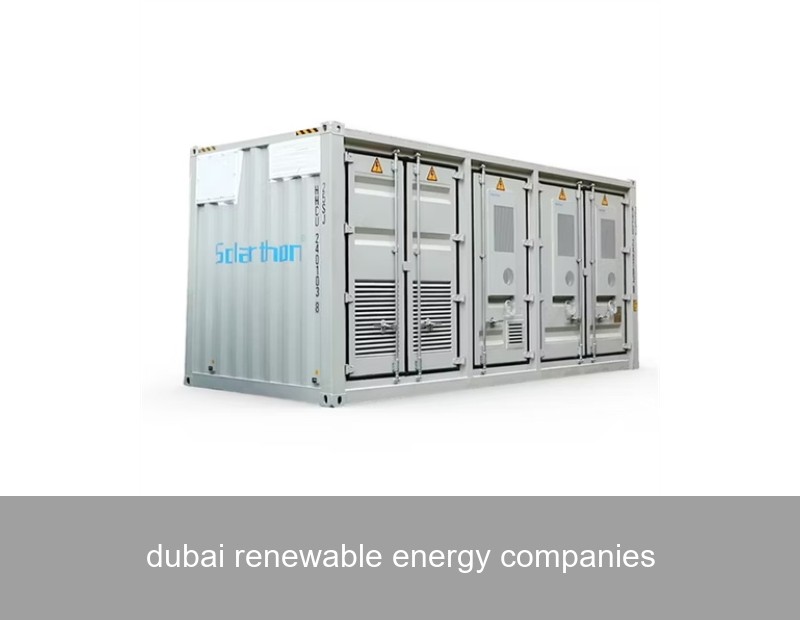
The project involved integrating a 15 MW rooftop and carport solar PV array across multiple buildings. The developer partnered with a local renewable energy EPC (Engineering, Procurement, and Construction) firm, which selected Highjoule's HPS-Containerized battery storage solution as the core of the project's microgrid. Here are the key results:
| Metric | Outcome |
|---|---|
| Storage System Capacity | 8 MWh (Highjoule HPS Series) |
| Solar Self-Consumption Increase | From 40% to over 85% |
| Peak Grid Demand Reduction | ~30% during evening hours |
| Backup Power for Critical Loads | Up to 4 hours for designated facilities |
This system doesn't just store energy; it intelligently manages it using Highjoule's AI-driven energy management system (EMS). The EMS predicts solar generation and facility load patterns, deciding the optimal time to charge the batteries, power the buildings, or sell minor excess back to the grid. During a scheduled grid maintenance event, the microgrid seamlessly islanded, keeping the district's operations running on solar and stored energy without interruption.
The Highjoule Role: Intelligent Storage for Demanding Climates
For nearly two decades, Highjoule has been at the forefront of developing storage solutions for the world's most demanding environments. Our work with partners in the Middle East, Europe, and North America has given us deep insights into the precise requirements of markets like Dubai. We understand that for Dubai renewable energy companies and their clients, a storage system is a long-term infrastructure investment, not an off-the-shelf commodity.
Our product suite is engineered for this reality:
- HPS Commercial & Industrial Series: Scalable, containerized solutions for large-scale solar integration, peak shaving, and backup power. Featuring liquid-cooling for superior thermal control in hot climates.
- HRS Residential Storage System: A high-voltage, modular home battery system that allows homeowners to maximize their rooftop solar investment and gain energy independence.
- Grid-Scale HES Platform: Utility-scale storage designed for frequency regulation, renewable firming, and transmission deferral, built with grid-forming inverter technology.
What truly differentiates Highjoule is our integrated JouleMind AI Platform. This software layer turns a battery into an intelligent grid asset. For a commercial building in Dubai, it can autonomously execute strategies like demand charge reduction—storing solar energy to be used during the few expensive peak hours, which often results in the fastest return on investment. This level of smart optimization is crucial for making renewable projects not just environmentally sound, but also economically compelling.

Credit: Unsplash - Energy Control Room. Intelligent energy management systems are crucial for optimizing storage performance.
The Future is a Flexible, Resilient Grid
The journey of Dubai is a microcosm of the global energy transition. The leadership shown by Dubai renewable energy companies in deploying gigawatts of solar is just the first act. The second, and arguably more complex act, is weaving this variable generation into a resilient, efficient, and smart grid. This requires a fundamental rethinking of grid architecture, moving from a one-way flow of power to a dynamic, multi-directional network of producers, consumers, and "prosumers."
Energy storage, particularly advanced battery systems with smart software, is the keystone of this new architecture. It enables the flexibility needed to balance supply and demand in real-time, integrate ever-higher percentages of renewables, and provide critical grid services that were once the sole domain of fossil-fuel plants. As noted by the International Energy Agency (IEA), storage is one of the key technologies for secure clean energy transitions.
So, as you watch Dubai's skyline, consider not just the solar panels on the roofs, but the sophisticated battery systems in the basements and substations. They are the silent partners making the vision of a 24/7 sustainable city a reality. For businesses and communities looking to embark on a similar path, the question becomes: How will you design your energy ecosystem not just for generation, but for intelligent, resilient consumption?
 Inquiry
 Online Chat