


Understanding the Different Types of Lithium Ion Batteries for Your Energy Storage Needs
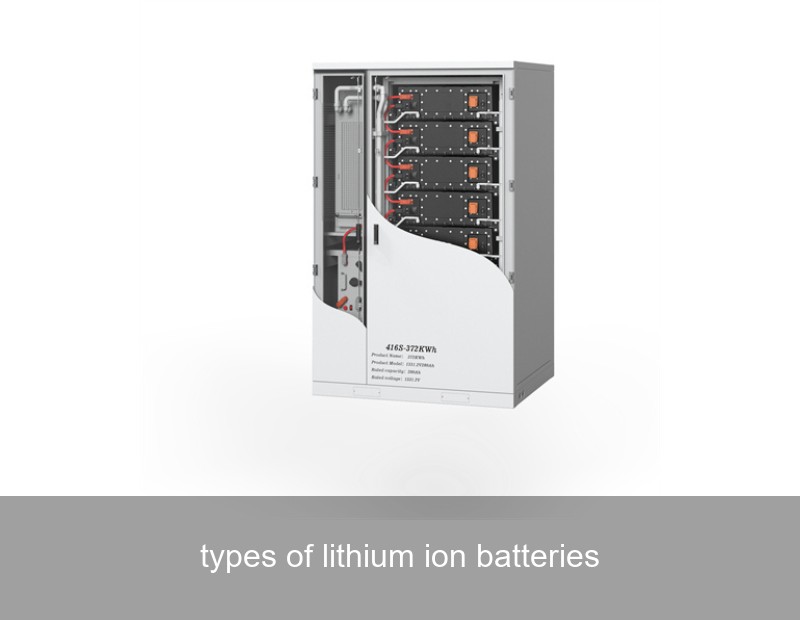
If you're exploring energy storage for your home, business, or community project, you've likely heard that "lithium-ion" is the gold standard. But did you know there are several distinct types of lithium ion batteries, each with its own chemistry, strengths, and ideal applications? From powering your electric vehicle to storing solar energy for your factory, the choice of battery chemistry is a critical decision that impacts performance, safety, lifespan, and cost. This guide will demystify the key lithium-ion variants, helping you understand which type might be the best fit for your specific energy goals. As a global leader in advanced energy storage since 2005, Highjoule designs intelligent systems that leverage the right battery chemistry to deliver optimal efficiency and sustainability for commercial, industrial, residential, and microgrid applications.
Table of Contents
The Chemistry Behind the Power
At its core, a lithium-ion battery works by shuttling lithium ions between a positive electrode (cathode) and a negative electrode (anode). The specific materials used in the cathode are what primarily define the different types of lithium ion batteries. This cathode chemistry dictates almost everything: energy density (how much power you can store in a given space), power density (how quickly you can charge and discharge), cycle life (how many charge/discharge cycles it lasts), thermal stability (safety), and cost. Let's break down the four major contenders you'll encounter in today's energy storage market.

Image Source: Unsplash - A visual representation of various battery cells.
LFP: The Safety and Longevity Champion
Lithium Iron Phosphate (LiFePO4 or LFP) batteries have surged in popularity, especially for stationary energy storage. Their chemistry offers distinct advantages:
- Exceptional Safety & Thermal Stability: The strong phosphate bonds make LFP batteries highly resistant to thermal runaway, a critical factor for residential and indoor commercial installations.
- Long Cycle Life: They can typically endure 3,000 to 6,000 cycles or more, often guaranteeing a decade or two of daily use. This makes the long-term cost of ownership very attractive.
- Cost-Effectiveness: With no cobalt or nickel in their cathode, they avoid the price volatility and ethical concerns associated with these minerals.
The trade-off? Slightly lower energy density compared to some alternatives. This means an LFP battery pack might be physically larger for the same energy capacity. For stationary storage where space is less constrained than in an electric vehicle, this is often a perfect compromise. Highjoule's ResiCore series for homes and Commercio ESS for small-to-medium businesses frequently utilize LFP chemistry, prioritizing decades of safe, reliable operation paired with solar PV systems.
NMC: The High-Energy-Density Workhorse
Lithium Nickel Manganese Cobalt Oxide (NMC) is perhaps the most versatile chemistry. By blending nickel (for high energy density), manganese (for stability), and cobalt (for longevity), manufacturers can tweak the formula for different needs. Common blends include NMC 811 (8 parts nickel, 1 each of manganese and cobalt) or NMC 532.
- High Energy Density: Ideal where space and weight are at a premium, like electric vehicles and portable electronics.
- Good All-Round Performance: It offers a solid balance of power, energy, and lifespan.
- Evolving Chemistry: Ongoing research is steadily reducing cobalt content, lowering costs and improving sustainability.
NMC's energy density comes with a need for more sophisticated Battery Management Systems (BMS) to monitor temperature and voltage closely. Highjoule's engineering expertise shines here. Our GridSynergy industrial-scale storage solutions sometimes employ advanced NMC variants when project requirements demand the highest possible energy density within a compact footprint, always managed by our proprietary, AI-driven BMS for maximum safety and performance.
NCA: Balancing Energy and Range
Lithium Nickel Cobalt Aluminium Oxide (NCA) shares similarities with high-nickel NMC chemistries. It offers very high energy density and specific power, making it a favorite for premium electric vehicle manufacturers like Tesla. The addition of aluminium helps improve the chemistry's stability.
| Chemistry | Key Strength | Common Use Cases | Consideration |
|---|---|---|---|
| LFP (LiFePO4) | Safety, Long Life, Cost | Home Energy Storage, Commercial ESS, Microgrids | Lower energy density |
| NMC | High Energy Density, Balanced | EVs, Power Tools, E-bikes, Some Grid Storage | Requires advanced BMS, contains cobalt |
| NCA | Very High Energy & Power | Electric Vehicles, Grid-Scale Applications | Higher cost, similar BMS requirements to NMC |
LTO: The Ultra-Fast Charging Contender
Lithium Titanate (LTO) batteries use a unique anode material (lithium titanate) instead of the typical graphite. This results in some phenomenal characteristics:
- Extremely Fast Charging: Can be charged in minutes rather than hours.
- Exceptional Cycle Life: Often exceeding 15,000 cycles, far beyond other chemistries.
- Superb Performance in Cold Weather: They maintain functionality at very low temperatures where others struggle.
The main drawback is significantly lower energy density and higher upfront cost. Therefore, LTO shines in niche applications where charging speed, lifespan, or temperature resilience is paramount, such as for ultrafast-charging electric buses, grid frequency regulation, or critical industrial backup power in extreme climates.

Image Source: Unsplash - An industrial-scale battery storage installation.
Choosing the Right Battery: A Real-World Case
Theory is one thing, but how does this play out on the ground? Let's look at a recent project in Southern Germany. A medium-sized manufacturing plant wanted to achieve 80% energy self-sufficiency using its rooftop solar array. Their challenges were peak shaving (reducing grid draw during expensive peak hours), providing backup power for critical processes, and ensuring a system lifespan of over 20 years with minimal maintenance.
After a detailed analysis of their load profile, space constraints, and financial goals, Highjoule's solution was a 500 kWh Commercio ESS MAX system utilizing LFP chemistry. Here's why:
- Safety First: The system is installed indoors; LFP's thermal stability was non-negotiable.
- Longevity Match: The 6,000+ cycle life of the LFP cells aligns perfectly with the 25-year warranty of their solar panels, creating a coherent, long-term asset.
- Total Cost of Ownership: While the upfront cost was competitive, the decisive factor was the minimal degradation over time. Projections show the system will still hold over 80% of its original capacity after 20 years of daily cycling, ensuring stable performance and ROI. According to data from the U.S. Department of Energy's Solar Energy Technologies Office, pairing solar with long-duration storage can increase self-consumption by 50% or more, a figure this German plant is on track to meet.
Highjoule's Integrated Approach
At Highjoule, we understand that selecting between the types of lithium ion batteries is just one piece of the puzzle. A high-performance energy storage system is defined by its integration. Our solutions combine the optimal cell chemistry with our proprietary, multi-layered Battery Management System (BMS) that continuously monitors cell health, temperature, and state of charge to maximize safety and lifespan. Furthermore, our Energy Management Software (EMS) platform turns the battery into an intelligent asset. It can automatically decide when to store solar energy, when to discharge to avoid peak tariffs, and even participate in grid services if allowed, creating additional revenue streams for our clients.
Whether it's an LFP-based system for a family home in California, an NMC-configurated storage array for a wind farm in Texas providing grid inertia, or an LTO-enhanced system for a remote microgrid in Scandinavia, Highjoule's expertise lies in tailoring the entire solution—from chemistry to cloud software—to your unique economic and operational goals. For a deeper dive into the science of battery longevity, resources like the Journal of Energy Storage offer valuable peer-reviewed insights.
Beyond Chemistry: The System Matters
Remember, the battery cells are the heart, but the system is the body. The BMS, thermal management (cooling/heating), power conversion system (inverter), and system-level software are what ensure the battery's potential is fully and safely realized over its entire lifetime. This integrated design philosophy is what sets professional-grade systems like Highjoule's apart from simple component assemblies.

Image Source: Unsplash - A home energy storage system integrated with solar.
Given the rapid evolution of battery technology and the specific demands of your location's energy tariffs and climate, what key factor—be it safety, 20-year lifespan, or maximizing financial return—is the most critical in guiding your decision for an energy storage system today?
 Inquiry
 Online Chat