


What is a Caja de Exterior Electrica? Your Guide to Outdoor Electrical Enclosures
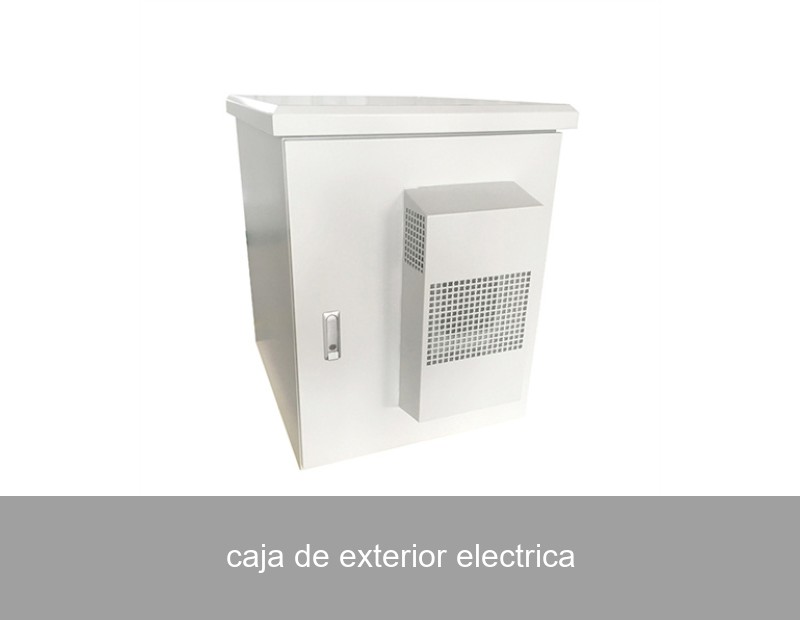
Table of Contents
If you're exploring solar power, upgrading your home's electrical system, or managing a commercial facility, you've likely come across the term "caja de exterior electrica" or outdoor electrical enclosure. More than just a metal or plastic box, it's the first line of defense for critical electrical components against rain, dust, heat, and physical impact. In the context of modern energy systems, especially renewable installations, the choice of this enclosure becomes a pivotal decision for safety, longevity, and performance.
What Exactly is an Outdoor Electrical Enclosure?
An outdoor electrical enclosure is a protective housing designed to safeguard electrical equipment like inverters, disconnects, breakers, and monitoring systems from harsh environmental conditions. Think of it as a robust, weatherproof shell that ensures the sensitive "brains" and "nervous system" of your power setup remain operational year-round. The quality of a caja de exterior electrica directly influences system uptime and safety.

A modern outdoor electrical enclosure is essential for protecting energy system components. (Image source: Unsplash, licensed for commercial use)
Key Considerations for a Reliable Caja de Exterior Electrica
Not all enclosures are created equal. For an installation to be truly durable, several factors must be evaluated:
- Ingress Protection (IP) Rating: This two-digit code (e.g., IP65) is crucial. The first digit indicates solid particle protection (6 = dust-tight), and the second digit indicates liquid protection (5 = protection against low-pressure water jets). For most outdoor applications, a minimum of IP65 is recommended. (Source: International Electrotechnical Commission).
- Material and Construction: Powder-coated steel, stainless steel, or robust polycarbonate are common. Material choice affects corrosion resistance, UV stability, and mechanical strength.
- Thermal Management: Electrical components generate heat. A proper enclosure must manage this through passive ventilation, fans, or even integrated air conditioning to prevent overheating and efficiency losses.
- Safety and Compliance: It must comply with local and international electrical codes (like NEC in the US or IEC in Europe) for fire resistance and electrical isolation.
The Critical Role in Solar and Energy Storage Systems
Here's where the story gets more advanced. In a photovoltaic (PV) or battery energy storage system (BESS), the outdoor enclosure often houses the inverter—the device that converts solar DC power to usable AC power. However, with integrated systems, we're seeing a shift from merely protecting a single component to housing an entire intelligent energy management unit.
This is precisely where Highjoule redefines the concept. We don't just sell a caja de exterior electrica; we engineer all-weather, intelligent energy hubs. Our GridShieldTM Commercial and HomePowerTM Pro systems are built around a supremely durable, IP66-rated enclosure that integrates the inverter, battery management system (BMS), and smart grid interface into one compact, secure unit. It's designed to handle temperature extremes from -30°C to 50°C, ensuring reliable operation whether installed in sunny Spain or snowy Germany.
Case Study: A Spanish Winery's Sustainable Power Solution
Let's look at a real-world application that highlights the importance of robust outdoor protection combined with advanced technology.
| Project | Challenge | Solution | Results & Data |
|---|---|---|---|
| Bodegas Valle Alto, La Rioja, Spain | The winery needed a resilient energy storage system to offset high peak demand charges, ensure power continuity for critical cooling systems, and operate flawlessly in an environment with dust, temperature swings, and occasional high humidity. | Installation of a Highjoule GridShield 100 system. Its high-grade outdoor enclosure housed a 100 kWh lithium-ion battery bank, a hybrid inverter, and monitoring hardware. The system was installed adjacent to the fermentation building. |
|
This case demonstrates that the value lies not in the box itself, but in how it enables advanced, reliable technology to perform in the real world. (Context: Spain is a global leader in solar PV penetration, making such storage solutions vital for grid stability).

Renewable energy and storage systems in agricultural settings require robust outdoor protection. (Image source: Unsplash, licensed for commercial use)
Choosing the Right Solution: From Enclosure to Integrated System
So, when you're planning your project, should you source a standard caja de exterior electrica and components separately, or opt for an integrated system?
The Traditional Component Approach
This involves procuring an empty enclosure, an inverter from brand A, batteries from brand B, and then managing the complex integration, wiring, and software compatibility yourself. It can offer customization but comes with higher engineering risk, multiple warranties, and potential performance gaps.
The Highjoule Integrated Advantage
We offer a pre-engineered, tested, and certified solution. Our products, like the HomePower Pro for residences or the scalable GridShield series for commercial use, arrive as a unified system within its purpose-built enclosure. Benefits include:
- Single-Point Responsibility: One warranty, one point of contact for service.
- Optimized Performance: Every component is designed to work in harmony, maximizing efficiency and battery life.
- Future-Proof: Built-in connectivity for smart grid services and over-the-air software updates.
- Simplified Installation: Reduces on-site labor and commissioning time by up to 40%.
The evolution from a simple protective box to an intelligent energy hub represents the future of distributed energy. As a global leader founded in 2005, Highjoule is at the forefront, ensuring that the heart of your energy system is not only protected but also intelligent and seamlessly integrated.
Ready to Move Beyond the Basic Enclosure?
What specific environmental challenge is your next energy project facing, and how could a fully integrated, smart storage system within a fortress-like enclosure provide not just a solution, but a strategic advantage?
 Inquiry
 Online Chat