


Build Your Own Home Solar Power System: A Guide to Energy Independence
Have you ever watched your electricity bill climb and thought, "There has to be a better way"? You're not alone. Across Europe and the US, a quiet revolution is taking place on rooftops and in backyards. More homeowners than ever are choosing to build your own home solar power system. This isn't just about saving money—though that's a significant perk—it's about taking direct control of your energy future. With advancements in technology and supportive policies, creating a personal power plant is now a viable and intelligent investment. This guide will walk you through the journey, from understanding the core components to making your system resilient and smart with modern energy storage.
Table of Contents
- The "Why" Behind the Trend: More Than Just Savings
- Core Components: What You Really Need to Build Your Own Home Solar Power System
- Why Storage is No Longer Optional: The Heart of a Modern System
- A Real-World Case: The Johnson Family's Journey to Resilience
- Integrated Solutions: How Highjoule Powers Smarter Homes
The "Why" Behind the Trend: More Than Just Savings
The initial motivation for many is financial. According to the U.S. Department of Energy, the cost of solar photovoltaic (PV) panels has dropped by more than 60% over the last decade. This, combined with various tax credits and incentives in regions like the United States (the federal Investment Tax Credit) and many European countries, has dramatically improved the return on investment. But dig a little deeper, and you find more powerful drivers.
Energy security is a growing concern. Whether it's grid instability, extreme weather events like the winter storms in Texas or heatwaves in Southern Europe, or simply a desire for uninterrupted power, homeowners are seeking resilience. Building your own system, especially when paired with storage, means your lights stay on when the grid goes down. Furthermore, the environmental imperative is stronger than ever. Generating clean, renewable energy directly from your roof significantly reduces your household's carbon footprint, a tangible step towards combating climate change.
Core Components: What You Really Need to Build Your Own Home Solar Power System
Let's demystify the hardware. A functional grid-tied solar system consists of several key parts:
- Solar Panels (PV Modules): These are the workhorses that convert sunlight into direct current (DC) electricity. Monocrystalline panels are popular for their high efficiency and sleek look, perfect for residential roofs.
- Inverter(s): This is the brain of the operation. Since your home appliances use alternating current (AC), the inverter's job is to convert the DC electricity from the panels into usable AC power. You might opt for a central string inverter or microinverters attached to each panel for better performance in shaded conditions.
- Racking and Mounting: The secure, engineered framework that attaches your panels to the roof or ground.
- Electrical Safety Gear: This includes disconnects, breakers, and wiring that meet all local electrical codes to ensure a safe installation.
However, a system with only these components has a critical limitation: it only produces power when the sun shines. Any excess energy is sent to the grid (if allowed), and you draw power back at night. This is where the game-changer comes in.
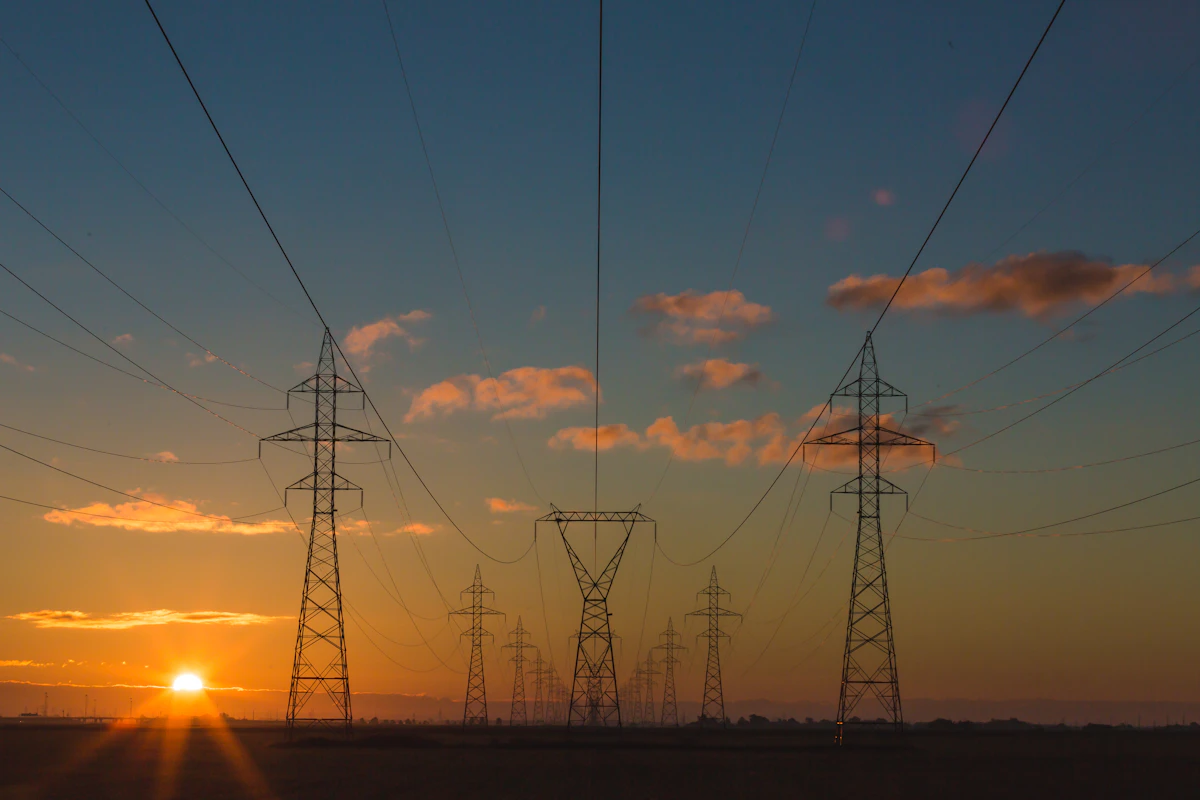
Image Source: Unsplash - A typical residential solar panel installation.
Why Storage is No Longer Optional: The Heart of a Modern System
To truly achieve energy independence, you need a battery. Think of your solar panels as a sophisticated energy harvester. The battery energy storage system (BESS) is your personal energy bank account. It allows you to store the surplus solar energy you generate during the day and use it on demand—at night, during cloudy periods, or during a grid outage.
This transforms your system's economics and utility. You maximize self-consumption, reducing reliance on expensive peak-hour grid electricity. More importantly, it provides backup power, turning your home into a resilient haven. Modern home battery systems are compact, safe (using stable lithium iron phosphate chemistry), and intelligent. They can be programmed to prioritize critical loads, respond to time-of-use electricity rates, and even participate in virtual power plant programs in some areas.
Integrated Solutions: How Highjoule Powers Smarter Homes
This is where expertise in system integration becomes crucial. As a global leader in advanced energy storage since 2005, Highjoule specializes in making the build your own home solar power system journey seamless and future-proof. We understand that a battery isn't just a box; it's the core of a smart energy ecosystem.
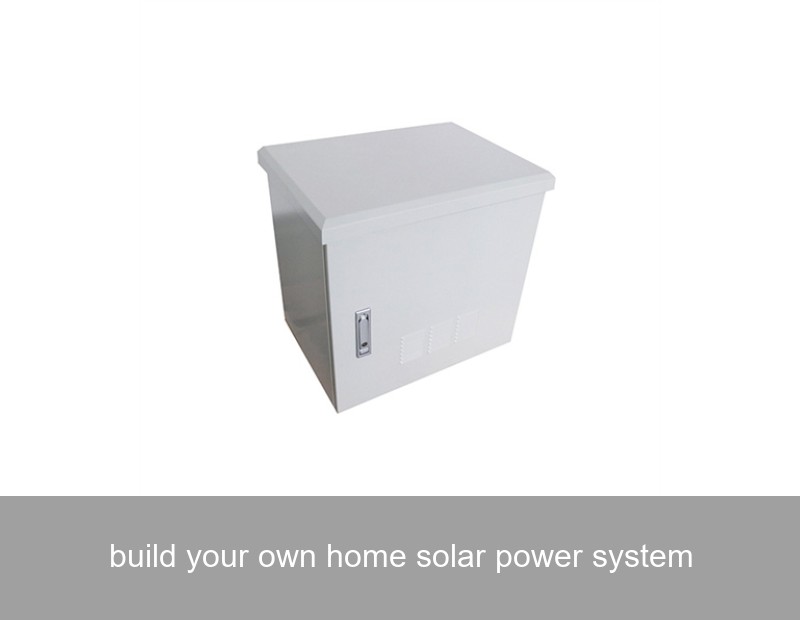
Highjoule's Residential Energy Hub is designed for this very purpose. It's an all-in-one unit that combines a high-efficiency hybrid inverter, a scalable battery bank using safe LiFePO4 cells, and advanced energy management software in one sleek cabinet. The system intelligently manages energy flow between your solar panels, battery, home, and the grid. Our user-friendly app gives you real-time visibility and control, allowing you to set preferences, monitor savings, and ensure your essential circuits are always powered during an outage. For homeowners, this means you're not just buying components; you're getting a guaranteed, synergistic system that is designed, tested, and supported by a single, trusted provider.
A Real-World Case: The Johnson Family's Journey to Resilience
Let's look at a concrete example. The Johnson family in Freiburg, Germany, decided to build their own home solar power system in 2022. Their goals were clear: reduce their carbon footprint, cut energy costs, and gain security against increasing grid instability.
- System Size: 8.2 kW rooftop solar array.
- Key Addition: A 15 kWh Highjoule Residential Energy Hub with backup power functionality.
- Results After One Year: Their energy self-consumption rate jumped from 35% (solar only) to over 85% (solar + storage). They reduced their annual electricity bill from the grid by 92%. During a regional grid disturbance that left neighbors without power for 8 hours, the Johnson's home operated seamlessly on battery power, keeping their refrigeration, lighting, and internet running.
"The peace of mind is priceless," says Mrs. Johnson. "We watched our neighbors' homes go dark while ours was fully functional. The system paid for itself faster than we calculated, especially with the rising energy prices." This case highlights the tangible benefits of an integrated solar-plus-storage approach.

Image Source: Unsplash - A modern home battery storage unit installed in a garage.
Making It Happen: Key Considerations for Your Project
Ready to embark on your journey? Here’s a practical checklist to guide you:
| Step | Key Questions | Highjoule's Value Add |
|---|---|---|
| 1. Assessment & Planning | What is my roof's orientation and shading? What are my average energy consumption patterns? What are my local incentives and grid connection rules? | We provide design support and energy modeling tools to accurately size your system for optimal ROI. |
| 2. Component Selection | Should I choose a string or microinverter? What battery capacity and chemistry are right for my backup needs? How do I ensure all components communicate flawlessly? | Our integrated Energy Hub eliminates compatibility guesswork, offering a single, optimized solution with built-in intelligence. |
| 3. Installation & Commissioning | Do I hire separate solar and battery installers? Who ensures the system is code-compliant and safely integrated? | Highjoule works with a certified network of installer partners trained specifically on our systems, ensuring a smooth, turnkey installation. |
| 4. Operation & Maintenance | How do I monitor performance? What is the warranty and long-term support? | Our dedicated monitoring platform and robust 10-year warranty provide ongoing peace of mind and performance assurance. |
Building your own home solar power system is one of the most impactful upgrades you can make to your property. It’s a decision that pays dividends financially, environmentally, and in the priceless commodity of resilience. With the right planning and partners, the path to energy independence is clearer than ever.
What would you power first if you knew your home could remain energized, independent of the grid?
 Inquiry
 Online Chat