


Unlocking Indonesia's Energy Future: The Strategic Role of Battery Energy Storage Systems
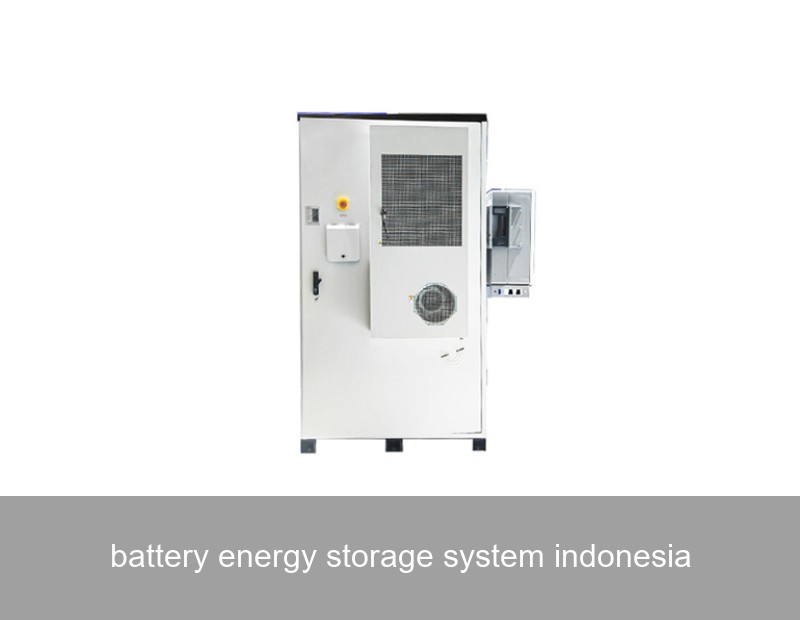
Imagine a nation of over 17,000 islands, where providing stable, affordable electricity is a monumental challenge. This is the reality for Indonesia, a country experiencing rapid economic growth and rising energy demand. As the archipelago seeks to power its future, a critical technology is emerging as a game-changer: the Battery Energy Storage System (BESS). For international observers in Europe and the US, Indonesia's energy transition presents a fascinating case study in how BESS can bridge the gap between ambitious renewable energy goals and grid reliability. This isn't just about technology; it's about empowering communities, stabilizing industries, and building a resilient power infrastructure for a rising economic powerhouse.
Table of Contents
The Indonesian Energy Challenge: Growth, Islands, and Intermittency
Indonesia's energy landscape is defined by three pivotal factors. First is its geographical dispersion. Creating a unified national grid across thousands of islands is economically and technically daunting. Many regions rely on isolated, diesel-dependent microgrids, which are expensive and carbon-intensive. Second, the nation's energy demand is projected to grow by an average of 4.9% annually through 2030, according to the International Energy Agency (IEA). Third, while Indonesia has pledged to reach net-zero emissions by 2060 and boasts immense solar and wind potential, these sources are inherently variable. Without a solution to store excess energy and dispatch it on demand, grid instability becomes a real risk, hindering both industrial development and quality of life.

Image Source: Unsplash - Illustrative of Indonesia's renewable potential.
Why BESS is the Keystone for Indonesia's Energy Architecture
So, how does a battery energy storage system Indonesia strategy address these issues? Think of BESS as a high-tech "energy bank." It performs several non-negotiable functions for a grid like Indonesia's:
- Renewable Integration: It stores surplus solar energy generated during midday peaks for use in the evening, smoothing out the "duck curve" and maximizing clean energy utilization.
- Grid Stability & Frequency Regulation: BESS can respond to grid fluctuations in milliseconds, providing critical inertia and frequency support that traditional plants cannot match, essential for smaller, island grids.
- Deferring Grid Upgrades: In growing urban areas, strategically placed BESS can provide peak shaving—supplying power during high-demand periods—delaying the need for costly new transmission lines or power plants.
- Phasing Out Diesel: For remote islands, a hybrid system combining solar PV with BESS can drastically reduce, and sometimes eliminate, diesel generator runtime, cutting costs and emissions.
The Data Behind the Potential
The numbers are compelling. A study by the Institute for Essential Services Reform (IESR) suggests that Indonesia needs to deploy 15 GW of energy storage by 2045 to support its renewable transition. Furthermore, the levelized cost of electricity (LCOE) for solar PV coupled with storage has become increasingly competitive with new coal-fired power plants in many regions. This isn't a future dream; it's an economically viable pathway today.
Case Study: Stabilizing a Microgrid in Eastern Indonesia
Let's move from theory to practice. A concrete example can be found in a resort and community microgrid in the Maluku islands. Previously dependent on 24/7 diesel generators, the site integrated a 1.2 MWp solar farm with a 2.4 MWh battery energy storage system. The results, monitored over 18 months, were transformative:
| Metric | Before BESS Integration | After BESS Integration |
|---|---|---|
| Diesel Fuel Consumption | ~450,000 liters/year | ~95,000 liters/year |
| Cost of Energy (COE) | ~$0.32/kWh | ~$0.18/kWh |
| Renewable Penetration | 0% | ~78% of daily load |
This case, documented in part by the Asian Development Bank's sustainable energy initiatives, highlights the triple win: economic savings, carbon reduction, and enhanced energy security. The BESS provided load-shifting, black-start capability, and ensured stable voltage, proving that such solutions are robust enough for critical, off-grid applications.
Highjoule's Tailored Solutions for the Indonesian Market
As a global leader with nearly two decades of experience, Highjoule understands that deploying a battery energy storage system in Indonesia requires more than an off-the-shelf product. It demands solutions engineered for tropical climates, adaptable to diverse grid conditions, and backed by intelligent software. Our approach is built on three pillars:
- Climate-Resilient Hardware: Our GridMax™ Commercial & Industrial (C&I) and GridScale™ Utility BESS platforms feature advanced thermal management systems designed to maintain optimal performance and longevity in high heat and humidity, conditions prevalent across Indonesia.
- Adaptive Intelligence: At the heart of our systems is the EnergyOS™ software platform. For Indonesian clients, this AI-driven brain can be configured for multiple value streams: from simple solar self-consumption maximization for a factory to complex grid-forming services for a state-owned utility managing an island microgrid.
- Full-Spectrum Services: From initial feasibility studies and financial modeling to system integration, commissioning, and remote performance monitoring via our Highjoule NOC (Network Operations Center), we partner with local developers and EPCs to ensure project success and long-term health.
For instance, our GridMax C&I product line is perfectly suited for Indonesian businesses seeking to reduce demand charges, ensure power quality for sensitive manufacturing, and build resilience against outages. Meanwhile, our GridScale systems are engineered for utility-scale solar-plus-storage plants, helping to make large renewable projects more dispatchable and grid-friendly.

Image Source: Unsplash - Representative of modern BESS control systems.
The Road Ahead: Integration and Innovation
The journey for BESS in Indonesia is just beginning. Key to acceleration will be supportive policy frameworks, innovative business models like Energy-as-a-Service (EaaS), and continued technology advancements. The next frontier includes exploring second-life applications for electric vehicle batteries and integrating BESS with emerging green hydrogen projects. The potential for battery energy storage systems to act as the foundational asset for a decentralized, democratic energy system is immense.
A Question for Our Global Readers
As we watch Indonesia's ambitious energy transition unfold, a question arises for energy professionals in Europe and the US: How can the lessons learned from integrating storage in mature grids inform and accelerate the path for emerging economies with unique geographical challenges like Indonesia? The exchange of knowledge and technology has never been more critical. If you are involved in a project in Southeast Asia looking to harness stability, sustainability, and savings through intelligent storage, what is the primary challenge you are facing in your planning phase?
 Inquiry
 Online Chat