


Optimizing Energy System: The Key to Unlocking Resilience and Savings
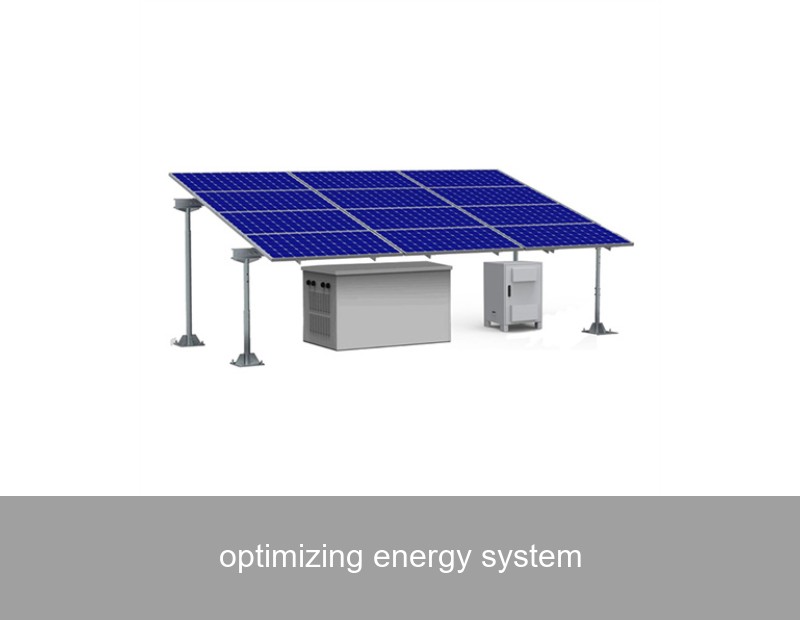
Have you ever looked at your business's electricity bill and felt a pang of frustration? You're not alone. Across Europe and the US, commercial and industrial leaders are grappling with volatile energy prices and an aging grid. But what if the key wasn't just using less energy, but using it smarter? Optimizing your energy system is no longer a luxury for the future; it's a strategic imperative for today. It's about moving from passive consumption to active, intelligent management of how you generate, store, and use every kilowatt-hour. This journey transforms energy from a mere cost into a controllable asset, paving the way for unprecedented resilience, sustainability, and financial control.
Table of Contents
- The Phenomenon: Grid Strain and Price Volatility
- The Data: The Compelling Case for Optimization
- Case Study: A German Manufacturing Plant's Transformation
- The Optimization Framework: Beyond Basic Storage
- The Highjoule Approach: Intelligence at the Core
- Getting Started on Your Optimization Path
The Phenomenon: Why "Set and Forget" Energy is a Risk
For decades, energy was simple: you paid the utility for power, and they delivered it. That model is cracking under pressure. In Europe, the geopolitical landscape has exposed deep dependencies, sending wholesale prices on a rollercoaster. In the US, increasing extreme weather events—from heatwaves in California to deep freezes in Texas—are testing grid infrastructure to its limits, leading to more frequent and costly outages. The phenomenon is clear: a one-way, centralized energy supply is inherently fragile. Businesses are now on the front lines, facing not just unpredictable costs but also operational downtime that can cripple production lines, spoil inventory, and disrupt critical services. The question has shifted from "Can we afford an energy upgrade?" to "Can we afford not to optimize our energy system?"
The Data: Quantifying the Need for a Smarter System
The theory is compelling, but the numbers make it undeniable. Let's look at what's at stake:
- Cost Savings: The U.S. Department of Energy notes that commercial buildings alone account for nearly 20% of the nation's energy use. Strategic optimization combining solar, storage, and smart controls can reduce peak demand charges—often 30-70% of a commercial bill—by 20% or more.
- Reliability Cost: A study by the U.S. Department of Energy highlights that power outages cost the U.S. economy billions annually. For a mid-sized factory, even a one-hour outage can mean tens of thousands in lost productivity and spoiled materials.
- Renewable Integration: As businesses install solar PV, a new challenge emerges: curtailment. Without storage and optimization, excess solar energy is wasted. An optimized system ensures self-consumption of that clean power can exceed 80%, dramatically improving the return on investment.

Image Source: Unsplash - Representative image of commercial solar and storage integration.
Case Study: Optimizing a Bavarian Manufacturing Plant
Let's make this concrete with a real-world example. A medium-sized automotive parts manufacturer in Bavaria, Germany, faced a dual challenge: soaring regional electricity costs and a corporate mandate to reduce carbon emissions by 25% within five years. Their existing 500 kW rooftop solar array was helpful but underutilized; much of its midday output was exported to the grid at low rates, while the facility drew expensive power during morning and evening peaks.
Their solution was a comprehensive energy system optimization project. They deployed a 600 kWh battery energy storage system (BESS) integrated with an advanced energy management system (EMS). The EMS, powered by AI-driven forecasting, doesn't just react—it predicts. It analyzes weather patterns, production schedules, and historical load data to make intelligent, autonomous decisions.
| Metric | Before Optimization | After Optimization |
|---|---|---|
| Solar Self-Consumption | 35% | 92% |
| Peak Grid Demand | 850 kW | 520 kW |
| Annual Energy Costs | €285,000 | €178,000 |
| Grid Dependency During Outages | 100% (Full shutdown) | Critical loads backed up for 6+ hours |
The results were transformative. By storing excess solar energy and strategically discharging the battery during price peaks, the plant slashed its grid demand and costs. The system also provides seamless backup power for critical assembly lines. This project, completed in 2023, is on track to pay for itself in under 7 years while putting the company firmly ahead of its decarbonization goals. This is the power of true optimization—it's a financial, operational, and environmental win.
The Optimization Framework: A Layered Approach
True optimization isn't a single product; it's a synergistic system. Think of it as a pyramid with intelligence at the top.
Layer 1: Generation & Storage (The Hardware)
This is the foundation: solar PV panels generate clean energy, and a high-performance battery stores it. Not all batteries are equal. Key considerations include cycle life, depth of discharge, degradation rate, and safety. Lithium iron phosphate (LFP) chemistry, for instance, is becoming the standard for commercial applications due to its long life and superior thermal stability.
Layer 2: Conversion & Control (The Nervous System)
This includes inverters and system controllers. A sophisticated hybrid inverter can efficiently manage DC power from solar and batteries, converting it to AC for your building, while also communicating with the grid. This layer ensures all hardware components work in concert.
Layer 3: Energy Management System (The Brain)
This is where optimization becomes intelligent. A cloud-based EMS uses software algorithms and machine learning to analyze data from meters, weather forecasts, and utility rate schedules. It makes real-time decisions: "Should I store solar energy now or use it? Should I sell power back to the grid in 30 minutes when prices spike, or use it to shave my own peak?" This is the command center that maximizes value every second of the day.
How Highjoule Delivers Intelligent Optimization
At Highjoule, we've been designing and deploying advanced energy storage solutions since 2005. We understand that optimizing an energy system requires deep expertise in both hardware integration and software intelligence. Our approach is built on three pillars:
- The Highjoule H-Series BESS: Our flagship commercial battery system is built with LFP cells, modular architecture for scalable power (from 100 kW to multi-MW), and passive cooling for silent, efficient operation. It's engineered for 6,000+ deep cycles, ensuring a long asset life that underpins your financial returns.
- JouleMind AI Platform: This is the intelligence core. JouleMind isn't just a dashboard; it's a predictive optimization engine. It integrates with local grid signals, participates in demand response programs automatically, and provides granular reporting on your energy performance, carbon savings, and financial ROI. For our Bavarian client, JouleMind was the brain that orchestrated their savings.
- Full-Spectrum Services: From initial site assessment and financial modeling to system design, installation, and ongoing performance monitoring, our team of experts guides you through the entire journey. We ensure your optimized system is tailored to your specific load profile, local utility rules, and business objectives.
Our solutions are designed for the complexities of both the European and North American markets, navigating different grid codes, incentive programs like EU funding mechanisms or the U.S. Investment Tax Credit (ITC), and utility interconnection processes.

Image Source: Unsplash - Representative image of a modern commercial battery energy storage system.
Your Path to an Optimized Energy Future
The journey to an optimized energy system begins with understanding your unique starting point. It's less about a massive overnight overhaul and more about strategic, intelligent steps.
- Conduct an Energy Audit: Analyze 12 months of utility bills. Identify your peak demand periods, overall consumption patterns, and the structure of your rates (demand charges, time-of-use rates).
- Define Your Goals: Is your primary driver cost reduction, sustainability, resilience against outages, or a combination? Quantify these goals.
- Explore Technology Partners: Look for providers with proven, integrated solutions—not just component vendors. Experience in your specific market and sector is crucial.
- Model the Financials: A reputable partner like Highjoule will provide a detailed pro forma, factoring in all capital costs, available incentives, operational savings, and projected payback period.
The energy landscape is evolving from a centralized monopoly to a decentralized, intelligent network. In this new world, the businesses that thrive will be those that proactively manage their energy destiny.
What is the single biggest energy challenge—cost, reliability, or sustainability—keeping you up at night, and what's the first step you think your organization should take to address it?
 Inquiry
 Online Chat