


The Complete Guide to Choosing a Battery Bank for Your Home Solar System
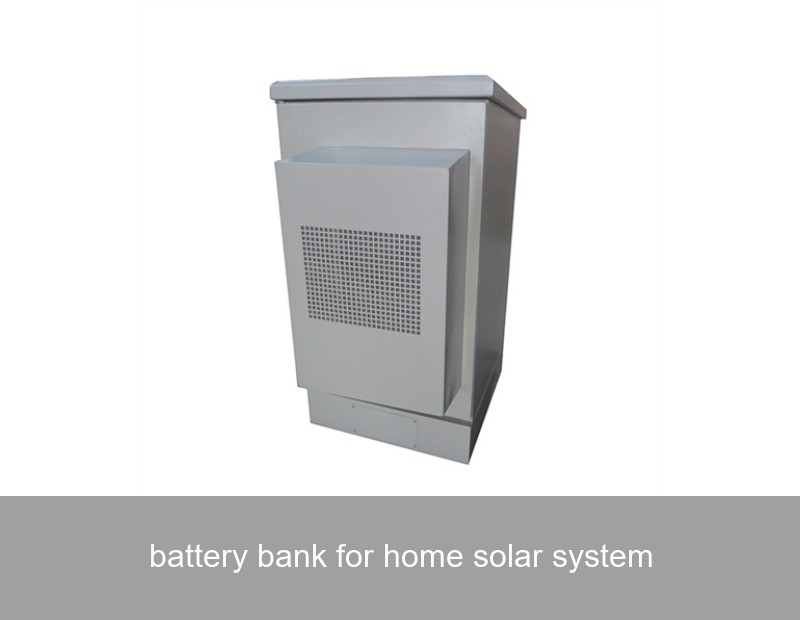
You've made a smart investment in solar panels. You love watching your meter spin backwards on sunny days. But what happens when the sun goes down, or during a grid outage? Your panels go to sleep, and you're back to buying power from the utility. This common scenario is why more homeowners are asking: "How can I truly capture the full value of my solar investment?" The answer lies in adding a battery bank for home solar system. Think of it as your personal energy savings account—you deposit excess solar power during the day and make a withdrawal whenever you need it, day or night.
This shift from simply generating solar power to intelligently managing it is transforming homes across Europe and the United States. It’s no longer just about being green; it’s about energy independence, resilience, and significant cost savings. As a global leader in advanced energy storage since 2005, Highjoule has been at the forefront of this evolution. We design intelligent battery storage systems that seamlessly integrate with your existing solar array, turning your home into a self-sufficient, modern microgrid.

Image Source: Unsplash - A modern home equipped with solar panels and an external battery storage unit.
How It Works: The Smart Energy Cycle of a Solar Battery Bank
Let's break down the daily cycle of a home equipped with solar panels and a Highjoule battery bank. It's a beautiful dance of technology and nature.
- Sunrise to Sunset (Solar Production): Your solar panels convert sunlight into electricity, powering your home in real-time.
- Excess Energy (The Deposit): Any surplus energy not immediately used by your appliances is directed to charge your battery bank, not just sent to the grid for a small credit.
- Evening & Night (The Withdrawal): As solar production falls and your household energy use rises, your home automatically draws power from the charged battery bank, minimizing grid purchases.
- Grid Outage (The Safety Net): During a blackout, a system like Highjoule's ResiCore 10 automatically disconnects from the grid (forming an "island") and continues to power critical loads from the battery and solar, keeping your lights on and fridge running.
This intelligent management is handled by a sophisticated Energy Management System (EMS). Highjoule's systems use predictive algorithms that can even factor in weather forecasts and time-of-use electricity rates to optimize charge and discharge cycles for maximum savings.
Key Benefits of Adding a Battery Bank to Your Solar System
Why are hundreds of thousands of homeowners making this upgrade? The advantages stack up quickly.
| Benefit | Description | Impact |
|---|---|---|
| Energy Independence | Dramatically reduce your reliance on the utility grid and volatile energy prices. | Lock in your own low-cost solar energy for use anytime. |
| Bill Savings & TOU Arbitrage | Store solar energy when rates are low and use it during peak, expensive hours. | In markets like California, this can lead to 50-70% bill reductions beyond solar alone. |
| Backup Power & Resilience | Provide seamless backup power during grid outages, powered by the sun. | Keep essential circuits running for hours or even days, ensuring safety and comfort. |
| Maximized Solar Self-Consumption | Use more of the solar energy you produce on-site, often increasing the ROI of your entire solar investment. | Increase the portion of solar energy you directly consume from ~30% to 70% or more. |
| Environmental Impact | Further reduce your carbon footprint by displacing more fossil-fuel-based grid power, especially in the evening. | Achieve a truly 24/7 clean energy home. |
Choosing the Right System: Capacity, Power, and Intelligence
Not all battery banks are created equal. When evaluating a battery bank for home solar system, you need to consider three core technical specs, which we at Highjoule make clear for every customer:
- Usable Capacity (kWh): This is the total amount of energy stored. Think of it as the size of your fuel tank. A typical home might start with a 10 kWh system (like our ResiCore 10) to cover essential loads overnight, scaling up to 20 kWh or more for whole-home backup.
- Continuous Power (kW): This is how much power the battery can deliver at any moment. Can it simultaneously run your fridge, lights, Wi-Fi, and an air conditioner compressor? Highjoule's systems are engineered for high power output to handle demanding startup loads.
- Depth of Discharge & Cycle Life: Quality batteries, like the lithium iron phosphate (LiFePO4) cells we use, allow for deep discharge (90%+) without significant degradation and are rated for thousands of cycles, ensuring a lifespan of 15+ years.
Beyond the hardware, the software is what unlocks true value. Highjoule's OmniGate Energy Management Platform provides homeowners with an intuitive app to monitor production, consumption, and storage in real-time, set preferences, and receive insights to optimize their energy habits.

Image Source: Unsplash - A homeowner monitoring their solar and battery system via a smartphone app.
Real-World Case Study: The Smith Family in Bavaria, Germany
Let's look at a concrete example from our European market. The Smith family (name changed for privacy) in rural Bavaria installed a 12 kW solar array in 2020. While they saw good summer savings, winter production was low, and they remained heavily grid-dependent. In early 2023, they integrated a Highjoule ResiCore 12 battery system (13.8 kWh usable capacity).
The Challenge: High grid reliance, especially during peak evening hours and low solar-production months, leading to unexpectedly high electricity bills from October to March.
The Solution: A Highjoule system configured for time-of-use optimization and winter self-sufficiency. The system prioritizes charging the battery from midday solar peaks, even if the home is drawing some grid power at that moment, to prepare for the expensive evening peak period.
The Data-Driven Results (First 12 Months):
- Grid Independence: Increased from 35% to 82% annual self-consumption of solar energy.
- Cost Savings: Reduced their annual electricity bill by €1,850, cutting their grid purchases by over 75%.
- Backup Security: Experienced two winter grid outages totaling 14 hours. The system provided uninterrupted power to their heating circulation pump, lights, and kitchen, a critical feature in a remote location.
As the International Renewable Energy Agency (IRENA) reports, the cost of solar PV and battery storage has fallen dramatically, making such payback periods increasingly attractive.
The Future of Home Energy is Intelligent and Integrated
The journey doesn't end with a battery. The modern home is becoming an interconnected energy hub. Future-forward systems like those from Highjoule are designed with this in mind, offering compatibility with smart home ecosystems, electric vehicle (EV) charging coordination, and even participation in Virtual Power Plant (VPP) programs. In a VPP, like those being piloted in the UK and parts of the United States, utilities can aggregate the power from thousands of home battery banks to stabilize the grid during high demand, and homeowners are financially compensated for their contribution. It's a win-win that turns your battery into a potential revenue stream.
Choosing a partner for this upgrade is as important as the technology itself. Highjoule provides more than just hardware; we offer a complete solution including system design, professional installation by certified partners, robust warranties, and ongoing platform support. Our focus on safety, reliability, and intuitive user experience has made us a trusted provider for residential, commercial, and microgrid applications worldwide.

Image Source: Unsplash - A clean, professional installation of a home battery and inverter unit.
Ready to Take Control?
The question for solar homeowners is no longer if you should add a battery bank, but when and which one. With evolving grid dynamics, incentive programs like the U.S. Federal Investment Tax Credit (ITC), and the increasing desire for resilience, the case grows stronger every day. What would energy independence look like for your home, and what's the first load you'd want to secure during the next power outage?
 Inquiry
 Online Chat