


Unlocking Energy Independence: A Deep Dive into the XSI Solar Energy Storage Cabinet
Have you ever watched your solar panels work hard under the midday sun, only to wonder where all that clean energy goes when the clouds roll in or night falls? This common experience highlights a central challenge in the renewable energy transition: the mismatch between solar production and energy consumption. The solution lies in advanced energy storage, and at the heart of this solution for many businesses and communities is a technology known as the XSI solar energy storage cabinet. This integrated system is more than just a battery; it's the intelligent brain and robust heart of a modern, resilient solar power setup. As a product technology expert at Highjoule, I've seen firsthand how these systems are transforming energy management from a passive utility bill into an active strategic asset.
Table of Contents
- What is an XSI Solar Energy Storage Cabinet?
- The Grid Challenge: Why Storage is No Longer Optional
- The Highjoule Approach: Engineering for Intelligence and Durability
- A Real-World Case Study: Stability for a German Manufacturing Plant
- The Future Outlook and Your Next Step
What is an XSI Solar Energy Storage Cabinet?
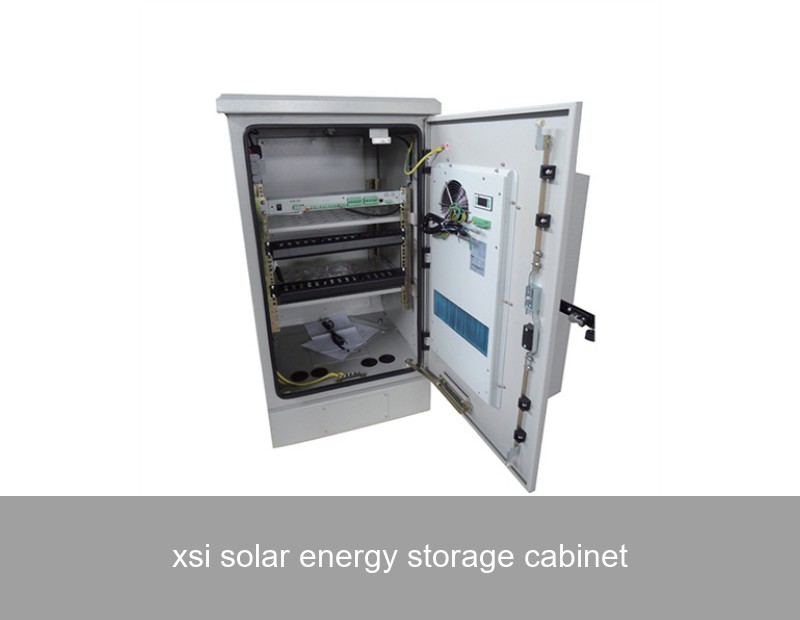
Let's demystify the term. An XSI (eXtended Storage and Integration) solar energy storage cabinet is a fully integrated, containerized solution designed to store large amounts of electrical energy generated from photovoltaic (PV) solar arrays. Think of it not as a single component, but as a complete, pre-engineered power station in a cabinet. It typically houses:
- Battery Modules: The core energy storage units, often using Lithium Iron Phosphate (LFP) chemistry for safety and longevity.
- Power Conversion System (PCS): The critical component that converts DC power from the batteries and solar panels to usable AC power for your facility.
- Battery Management System (BMS): The "guardian" that monitors cell voltage, temperature, and health to ensure optimal and safe operation.
- Thermal Management System: A climate control system to keep batteries at their ideal operating temperature, extending lifespan.
- Energy Management System (EMS): The intelligent "brain" that controls when to charge, when to discharge, and how to optimize for cost or resilience based on weather, utility rates, and consumption patterns.

Image Source: Unsplash (Representative image of advanced energy storage hardware)
This integrated design is key. Unlike piecing together components from different vendors, a unified XSI cabinet ensures all subsystems communicate flawlessly, reducing complexity, installation time, and potential points of failure.
The Grid Challenge: Why Storage is No Longer Optional
The push for renewables is creating a new energy landscape. In Europe and the U.S., grid operators are grappling with the intermittency of solar and wind power, which can lead to instability and price volatility. For end-users, this manifests in two main ways:
- Soaring and Unpredictable Energy Costs: Time-of-use rates and demand charges can make up a significant portion of a commercial electricity bill.
- Increasing Grid Reliability Concerns: From extreme weather events to aging infrastructure, power outages are a growing risk and cost for businesses.
The data is compelling. According to a 2023 Lazard report, the levelized cost of solar PV plus storage has fallen dramatically, making it competitive with conventional peaking power plants. This isn't just about being green; it's a sound financial decision. An XSI solar energy storage cabinet directly addresses these issues by allowing a facility to "time-shift" its solar energy—using the sun's power long after it sets—and to create a local buffer against grid disturbances.
How an XSI Cabinet Works: More Than Just a Battery
The operation of a sophisticated storage cabinet can be broken down into a continuous, intelligent cycle:
| Stage | Action | Benefit |
|---|---|---|
| 1. Solar Harvest & Charge | During peak sunlight, excess solar power beyond immediate needs is directed to charge the batteries within the cabinet. | Maximizes self-consumption of solar energy, often exceeding 80%. |
| 2. Intelligent Discharge | The EMS discharges stored energy during high utility rate periods (evening peak) or when the grid is stressed. | Dramatically reduces demand charges and energy costs. |
| 3. Grid Services & Backup | In advanced setups, the system can provide frequency regulation to the grid. Upon a grid outage, it island's the facility. | Creates potential revenue streams and ensures critical operations continue. |
This automated process turns a static solar array into a dynamic, responsive energy asset. The intelligence of the EMS is what differentiates a basic storage unit from a true XSI solar energy storage cabinet.
The Highjoule Approach: Engineering for Intelligence and Durability
At Highjoule, our philosophy is that storage systems must be built to last and adapt. Since 2005, we've engineered our HES Series (Highjoule Energy Station) cabinets with the principles that define top-tier XSI solutions. Our systems are designed for the demanding environments of commercial, industrial, and microgrid applications.
What sets the Highjoule HES apart? First, our proprietary Adaptive Cycle Management™ BMS doesn't just protect batteries; it learns from usage patterns to subtly optimize charge cycles, aiming to extend operational life beyond standard warranties. Second, we prioritize safety and serviceability. Our cabinets feature a modular design, allowing for easy replacement or expansion of battery racks without taking the entire system offline—a crucial feature for mission-critical operations.

Image Source: Unsplash (Representative image of modular, serviceable battery system design)
Furthermore, our cloud-based monitoring platform gives operators a clear window into system performance, energy savings, and carbon footprint reduction from anywhere. We don't just sell a cabinet; we provide a complete, intelligent power solution backed by global support.
A Real-World Case Study: Stability for a German Manufacturing Plant
Let's move from theory to practice. A mid-sized automotive parts manufacturer in Bavaria, Germany, faced a dual challenge: rising electricity costs that threatened competitiveness and a need for ultra-stable power for precision machinery. Their existing 500 kW rooftop solar array was covering only 30% of their actual consumption due to daytime export and night-time grid reliance.
The Solution: Highjoule deployed a single, integrated HES-500 XSI solar energy storage cabinet with 500 kWh of storage capacity and a 250 kW inverter. The system was integrated with their existing solar PV and plant load.
The Results (12-month period):
- Self-Consumption of Solar: Increased from 30% to over 85%.
- Peak Demand Charge Reduction: By strategically discharging during production peaks, they reduced their grid demand power by 40%, leading to a 22% reduction in overall electricity costs.
- Backup Power: The system now provides seamless backup for critical quality control labs and IT servers during the region's occasional grid sags.
- ROI: The project achieved a simple payback period of under 6 years, a strong return for industrial infrastructure.
This case exemplifies the tangible value of a well-integrated XSI cabinet. It transformed their solar array from a partial solution into the core of a resilient, cost-saving energy strategy.
The Future Outlook and Your Next Step
The evolution of the XSI solar energy storage cabinet is leaning towards even greater grid interaction and software intelligence. We're looking at future where these systems automatically participate in energy markets, form virtual power plants, and seamlessly integrate with EV charging fleets. The technology is here, proven, and economically viable.
The question is no longer if storage is needed for a serious solar investment, but which system offers the right blend of robustness, intelligence, and long-term partnership. As you consider your organization's energy resilience and cost trajectory, what specific operational challenge—be it demand charges, sustainability goals, or backup power needs—would you want a tailored storage solution to solve first?
 Inquiry
 Online Chat