


Unlocking Energy Independence: The Power of the Wind Turbine Hybrid System
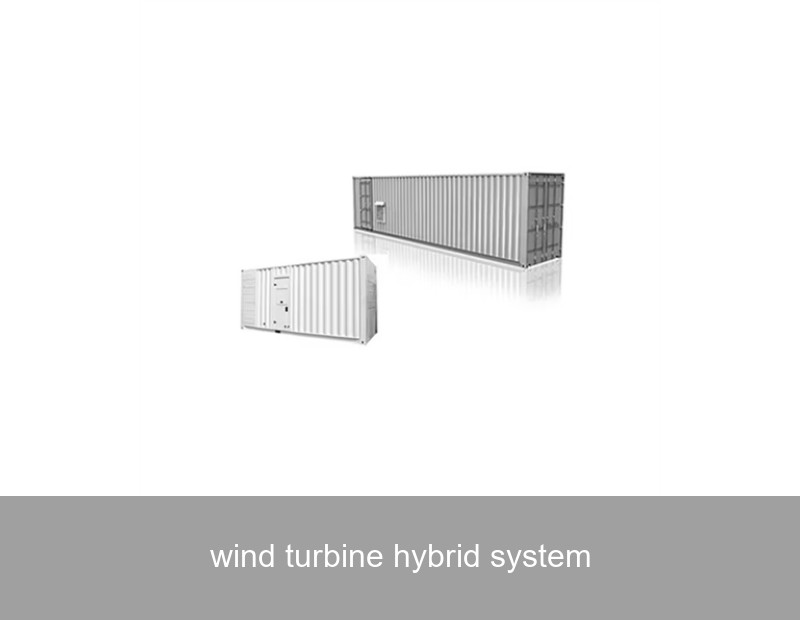
Imagine a world where your clean energy source doesn't go quiet when the wind stops. For homeowners, businesses, and communities investing in wind power, this intermittency is a familiar challenge. A standalone wind turbine is a powerful generator, but its output is at the mercy of the weather. This is where the wind turbine hybrid system emerges as the game-changing solution. By intelligently integrating wind generation with complementary technologies like solar and, crucially, advanced battery storage, these systems create a resilient, reliable, and truly sustainable energy ecosystem. For over 18 years, Highjoule has been at the forefront of this integration, engineering smart storage solutions that transform wind power from a variable resource into a dependable cornerstone of modern energy strategy.
Table of Contents
- The Challenge: Wind's Intermittency Problem
- The Solution: Anatomy of a Wind Turbine Hybrid System
- The Data: Why Hybridization Makes Economic Sense
- Case Study: A German Agricultural Cooperative's Success
- Highjoule's Role: The Intelligent Core of Your Hybrid System
The Challenge: Wind's Intermittency Problem
You've seen it before: the wind blows fiercely one day, generating more power than can be used, and then falls still for days, leaving energy needs unmet. This isn't just an operational hiccup; it's a fundamental barrier to energy independence and grid stability. Relying solely on wind means either accepting downtime or maintaining a costly backup connection to the traditional grid, often powered by fossil fuels. The question then becomes: how do we capture the surplus and save it for a calm day?
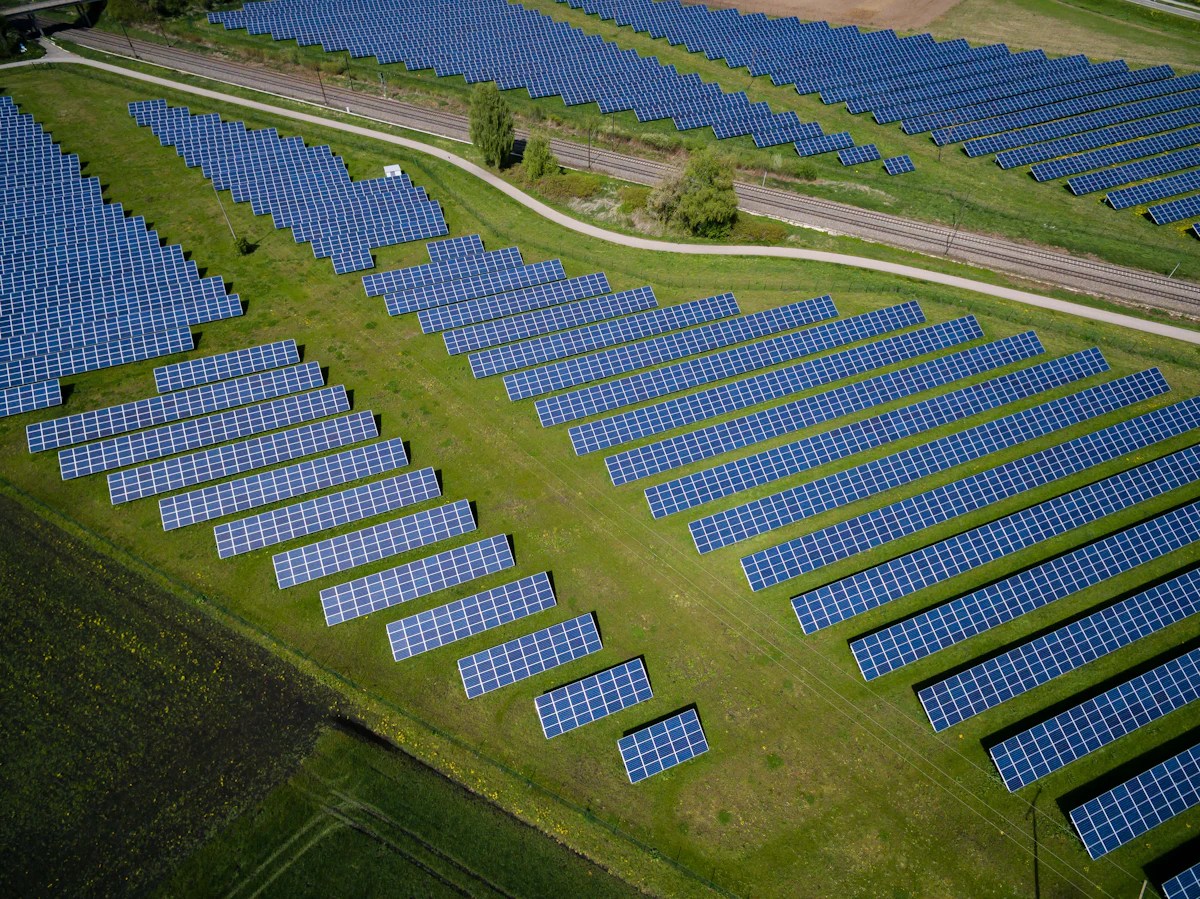
Image Source: Unsplash. A standalone turbine's potential is unlocked when paired with storage.
The Solution: Anatomy of a Wind Turbine Hybrid System
A wind turbine hybrid system is a sophisticated, integrated power plant. Think of it as a balanced team where each member plays a crucial role:
- The Wind Turbine: The primary generator, converting kinetic wind energy into AC electricity.
- Solar PV Array (often included): A complementary generator. Wind and solar patterns can be seasonally and diurnally complementary, smoothing out overall production.
- The Battery Energy Storage System (BESS): The heart of the system. This is where Highjoule's expertise becomes critical. Our advanced BESS stores every kilowatt-hour of excess wind (and solar) energy.
- The Intelligent Energy Management System (EMS): The brain. This software platform forecasts generation, manages loads, and decides precisely when to store or dispatch energy, maximizing self-consumption and financial returns.
- Bi-directional Inverters & Controllers: The nervous system, ensuring all components communicate and convert power efficiently and safely.
| Component | Primary Function | Key Benefit |
|---|---|---|
| Wind Turbine (e.g., 100 kW) | Generate power from wind | High output in windy periods, day and night |
| Solar PV Array (e.g., 150 kWp) | Generate power from sunlight | Produces during peak daytime hours, complementing wind |
| Highjoule BESS (e.g., 300 kWh) | Store excess energy from both sources | Enables time-shifting of energy, provides backup power |
| Highjoule EMS & Inverters | Control, convert, and optimize energy flow | Maximizes system ROI and ensures safe, automated operation |
The Data: Why Hybridization Makes Economic Sense
The logic isn't just technical; it's powerfully economic. According to a 2023 report by the National Renewable Energy Laboratory (NREL), hybridizing generation with storage can significantly increase the value of wind and solar projects by mitigating curtailment and providing grid services. For a commercial entity, this translates directly:
- Increased Self-Consumption: Rates can jump from 30-40% with wind alone to over 80% with storage, drastically reducing purchased energy costs.
- Demand Charge Reduction: By discharging the battery during short periods of peak grid demand, businesses can slash a major line item on their utility bill.
- Revenue Opportunities: In many markets, stored energy can be sold back to the grid during high-price periods or used to provide frequency regulation services.
- Energy Security: Protection against outages and volatile energy prices becomes a built-in feature, not an extra cost.
Case Study: A German Agricultural Cooperative's Success
Let's look at a real-world example. A large dairy and crop farming cooperative in Schleswig-Holstein, Germany, faced rising energy costs and wanted to decarbonize its operations. They had a 2-year-old 250 kW wind turbine but were curtailing significant energy during windy nights and on weekends when facility demand was low.
The Hybrid Solution: In 2022, they partnered with Highjoule to design and deploy a turnkey hybrid upgrade. The system integrated their existing turbine with a new 200 kWp rooftop solar array and a central Highjoule HPC-500 battery storage system with a capacity of 500 kWh. The entire system is managed by Highjoule's proprietary OptiGrid AI EMS.
The Results (12-month post-installation):
- Self-Consumption Rate: Increased from 35% to 92%.
- Grid Energy Cost Reduction: 78% decrease in purchased electricity.
- Demand Charge Savings: Achieved an average reduction of 65%.
- ROI Timeline: Projected payback period of 6.5 years, accelerated by German KfW subsidies for sustainable agriculture.
“The Highjoule system acts as our own private energy bank,” said the cooperative's managing director. “We now run our cooling facilities and milking operations almost entirely on our own wind and sun, stored for when we need it. It’s the definition of operational resilience.”

Image Source: Unsplash. Similar to commercial BESS installations that enable energy resilience.
Highjoule's Role: The Intelligent Core of Your Hybrid System
At Highjoule, we don't just supply batteries; we provide the intelligence that makes a wind turbine hybrid system greater than the sum of its parts. Our solutions are designed for the specific demands of the European and North American markets, focusing on safety, longevity, and smart integration.
Our Core Product & Service Offerings for Hybrid Projects:
- Highjoule HPC Series Commercial BESS: Scalable, containerized or modular battery systems featuring lithium iron phosphate (LFP) chemistry for superior safety and cycle life. They are UL 9540 certified in the US and meet all relevant IEC standards in Europe.
- OptiGrid AI Energy Management Platform: This cloud-based platform uses machine learning and weather data to predict generation and optimize charge/discharge cycles for maximum financial return, not just simple storage.
- System Design & Integration Services: Our team of engineers provides end-to-end support, from feasibility studies and grid connection agreements to seamless integration with your existing wind turbines, new solar, or other generators.
- Ongoing Performance Monitoring & Support: We offer comprehensive service agreements to ensure your hybrid system operates at peak efficiency for its entire 15+ year lifespan.
By choosing Highjoule, you're not just buying hardware; you're gaining a partner with nearly two decades of experience in making renewable energy reliable and profitable.
The Future: Smarter Grids and Greater Independence
The evolution towards decentralized, resilient energy networks is accelerating. Wind turbine hybrid systems, especially when enhanced with AI-driven platforms like Highjoule's OptiGrid, are paving the way for true energy independence. They are the building blocks of modern microgrids that can operate connected to or independently from the main grid, a feature of increasing value as climate-related grid disruptions become more common. Research from institutions like MIT's Energy Initiative underscores storage as the critical enabler for a decarbonized grid.
Is your business or community ready to move beyond simply generating green energy and start fully controlling it? What would a 80% reduction in your grid energy costs do for your operational freedom and sustainability goals?
 Inquiry
 Online Chat