


Wind and Solar Hybrid Inverter: The Intelligent Hub for Maximizing Renewable Energy
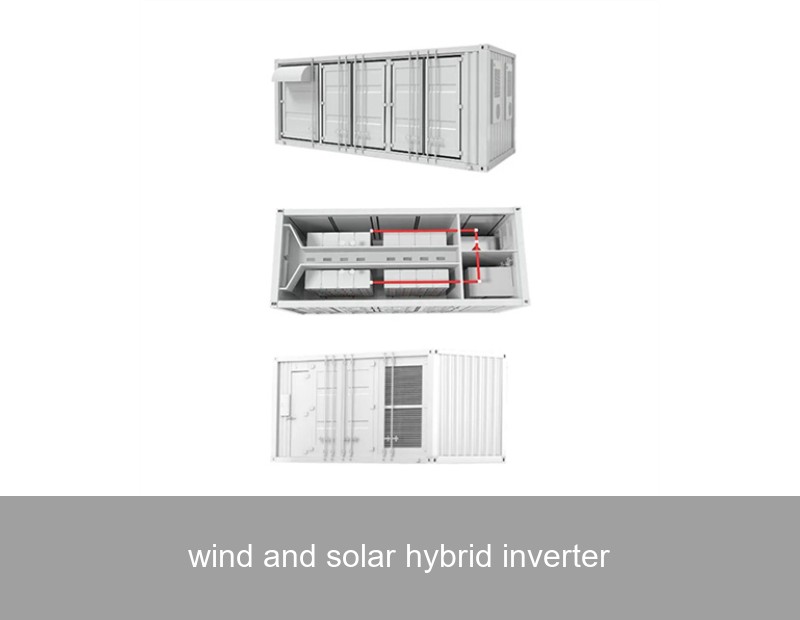
Have you ever looked at a sunny, windy day and thought, "My energy system is only capturing half of this potential"? If you rely solely on solar panels, you're missing the powerful gusts. If you only have a wind turbine, the clear, calm days leave you wanting. This is the fundamental challenge of intermittent renewables. But what if there was a single, intelligent device that could seamlessly harness both wind and solar power, making your energy supply more reliable and efficient than ever before? Enter the wind and solar hybrid inverter, the technological cornerstone of a truly resilient and optimized hybrid renewable energy system.
Table of Contents
- What is a Wind and Solar Hybrid Inverter?
- Why Do Hybrid Inverters Matter? The Data Behind Reliability
- Key Features of a Modern Hybrid Inverter
- A Real-World Case Study: Stability for a Scottish Farm
- Choosing the Right Hybrid Inverter: A Buyer's Guide
- Highjoule's Smart Solutions: Beyond the Hardware
- The Future of Energy Management
What is a Wind and Solar Hybrid Inverter?
Let's break it down simply. A traditional solar inverter converts direct current (DC) from your solar panels into usable alternating current (AC) for your home or business. A wind and solar hybrid inverter does much more. It is a multi-input, smart energy management system designed to integrate, convert, and control power from both photovoltaic (PV) solar panels and wind turbines. Think of it as the brain and central nervous system of your renewable energy setup. It doesn't just convert power; it dynamically decides the most efficient way to use it—whether to send it directly to your appliances, charge a battery storage system, or feed excess back to the grid.

Image Source: Unsplash - A visual representation of combined wind and solar generation.
Why Do Hybrid Inverters Matter? The Data Behind Reliability
The phenomenon is clear: solar and wind generation profiles are often complementary. Solar peaks during midday, while wind can be stronger at night, in winter, or during overcast periods. Relying on a single source leads to gaps. The data is compelling. According to the National Renewable Energy Laboratory (NREL), hybrid systems that combine wind and solar can achieve a significantly higher capacity factor—meaning they produce power closer to their maximum potential more of the time—compared to standalone systems. This translates to:
- Reduced Grid Dependence: By covering more hours of the day with self-generated power, you buy less electricity from the utility.
- Enhanced Energy Security: When one source is underperforming, the other can compensate, providing a more stable power supply.
- Optimal Use of Infrastructure: One inverter, one set of connections, and one battery system serve both generation sources, improving return on investment.
Key Features of a Modern Hybrid Inverter
Not all hybrid inverters are created equal. When evaluating a system, look for these critical features that define advanced technology:
| Feature | Description | Benefit |
|---|---|---|
| Dual MPPT Tracking | Independent Maximum Power Point Trackers for wind and solar inputs. | Ensures each source operates at its absolute peak efficiency, regardless of the other's performance. |
| Intelligent Load & Battery Management | Advanced software that prioritizes energy flow based on settings, weather forecasts, and tariff rates. | Maximizes self-consumption, extends battery life, and can automate cost-saving decisions. |
| Grid-Tie with Islanding Capability | Can synchronize with the utility grid but also operate independently during a blackout (with battery backup). | Provides uninterrupted power for critical loads, a key concern for businesses and remote homes. |
| Scalable & Modular Design | Allows for easy addition of more battery capacity or generation sources over time. | Protects your investment and lets your system grow with your energy needs. |
A Real-World Case Study: Stability for a Scottish Farm
Let's move from theory to practice. Consider a remote livestock farm in the Scottish Highlands. The farm faced unreliable grid power and high diesel generator costs. Their goal was energy independence.
The Solution: A hybrid system featuring a 6kW wind turbine, a 10kW solar array, a 20kWh lithium-ion battery bank, and a central wind and solar hybrid inverter. The inverter's role was crucial: managing the highly variable wind input alongside the solar DC, conditioning all power, and intelligently charging/discharging the battery.
The Data-Driven Outcome: Within the first year:
- Grid Import Reduction: 92% decrease in electricity purchased from the grid.
- Diesel Displacement: Generator runtime fell by over 85%, slashing fuel costs and maintenance.
- Reliability: The system maintained power through multiple extended grid outages, preserving refrigeration for vaccines and livestock care.
This case, echoed by many in U.S. Department of Energy community projects, shows how the hybrid inverter is the enabling technology that makes such complex, multi-source systems not just possible, but profoundly effective.
Choosing the Right Hybrid Inverter: A Buyer's Guide
Selecting the core of your energy system is a significant decision. Here’s a logical step-by-step approach:
- Assess Your Resources: Analyze local wind speed data and solar insolation. A qualified installer can help. Don't force a wind turbine if you only have gentle breezes; a solar-plus-battery system might be better.
- Calculate Your Loads: Understand your daily and seasonal energy consumption. What are your critical loads during a power outage?
- Prioritize Your Goals: Is it maximum financial return (through feed-in tariffs or net metering), absolute energy independence, or backup resilience?
- Evaluate Inverter Specs: Match the inverter's input voltage ranges to your chosen wind turbine and solar panels. Ensure its continuous and surge power ratings exceed your needs. Look for robust grid-support functions required in your region (like UL 1741 SA in the US or G99/G100 in the UK).
Highjoule's Smart Solutions: Beyond the Hardware
At Highjoule, we understand that a wind and solar hybrid inverter is more than a component—it's the command center for your energy resilience. Our HPS Series Hybrid Power Stations are engineered for this exact purpose. They integrate high-efficiency, multi-mode inverters with sophisticated energy management software, designed to handle the unique characteristics of both wind and solar DC inputs.
Our systems offer seamless integration with various battery chemistries, provide full black-start capability for true off-grid operation, and come with the Highjoule Energy Cloud monitoring platform. This platform gives you real-time insights into the performance of each energy source, your consumption patterns, and system health, all from your smartphone. For commercial and microgrid applications, our experts work with you to design a tailored system that balances capital expenditure with long-term operational savings, ensuring your hybrid project delivers on its promise of sustainability and reliability.

Image Source: Unsplash - A modern home utilizing a hybrid wind and solar setup.
The Future of Energy Management
The evolution of the wind and solar hybrid inverter is moving towards even greater grid interactivity and artificial intelligence. Future systems will not only react to weather but predict it, pre-charging batteries based on forecasted low wind or cloud cover. They will participate more dynamically in grid services, providing stability to the wider network. The inverter is becoming the key node in a decentralized, intelligent energy internet.
Is your current energy system leaving potential on the table? What would the ability to harness every gust of wind and every ray of sun mean for your energy bills, your carbon footprint, and your peace of mind during the next storm or grid disturbance?
 Inquiry
 Online Chat