


The Virtual Power Plant Platform: Your Key to Grid Stability and Energy Independence
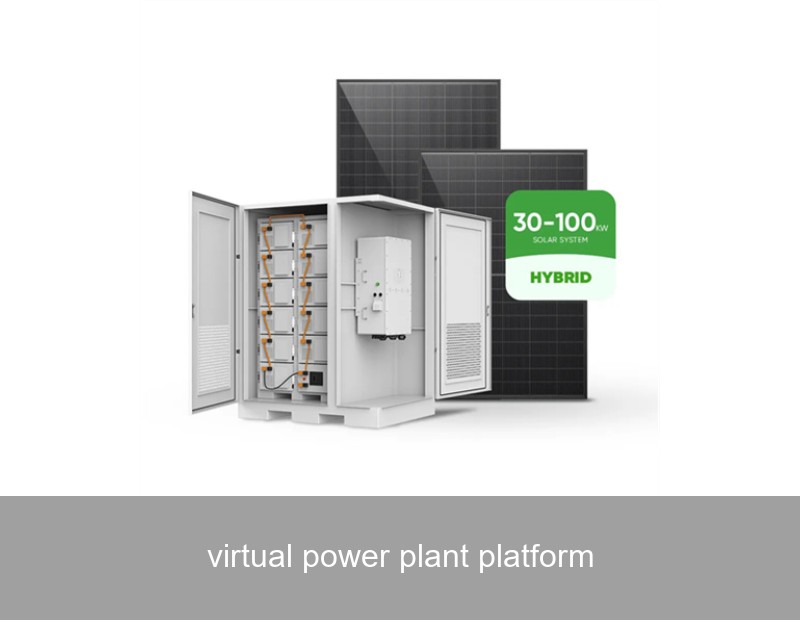
Have you ever looked at the solar panels on your roof or the battery in your garage and wondered if they could do more? You're not alone. Across Europe and the U.S., a quiet revolution is transforming how we think about energy. The virtual power plant platform is turning thousands of individual energy assets—from home batteries to industrial solar arrays—into a unified, intelligent force for a more resilient and sustainable grid. Let's explore how this technology works and why it's becoming indispensable for our energy future.
Table of Contents
What is a Virtual Power Plant (VPP)?
Think of a traditional power plant: a single, massive facility generating electricity. Now, imagine the opposite—a network of hundreds or thousands of smaller, distributed energy resources (DERs) all coordinated to act as one reliable power source. That’s a Virtual Power Plant. At its heart is the virtual power plant platform, the sophisticated software "brain" that aggregates and intelligently dispatches power from sources like:
- Residential and commercial battery energy storage systems (BESS)
- Rooftop solar PV systems
- Electric vehicle (EV) chargers and vehicle-to-grid (V2G) capable batteries
- Smart, controllable appliances like water heaters and HVAC systems
This platform doesn't just pool resources; it optimizes them in real-time, responding to grid signals, weather forecasts, and energy prices to provide crucial services that keep our lights on.
How a Virtual Power Plant Platform Works: The Technology Behind the Scenes
The magic of a VPP lies in its layered architecture. Here’s a simplified breakdown of the process:
| Step | Action | Technology Involved |
|---|---|---|
| 1. Aggregation | The platform connects to and enrolls diverse, geographically dispersed energy assets. | Secure cloud APIs, IoT communication protocols (e.g., OpenADR). |
| 2. Forecasting & Optimization | It predicts energy production (solar/wind), consumption patterns, and grid needs. | AI and machine learning algorithms, weather data feeds. |
| 3. Dispatch & Control | It sends automatic signals to charge batteries, adjust consumption, or inject power back to the grid. | Real-time control systems, secure two-way communication. |
| 4. Market Participation | The aggregated capacity is bid into energy or ancillary services markets. | Market integration software, blockchain for settlement (in some cases). |
This seamless operation turns passive consumers into "prosumers"—active participants in the energy market, earning revenue or credits while supporting community resilience.
Key Benefits: Why the Virtual Power Plant Platform is a Game-Changer
For Grid Operators & Utilities
VPPs are a cost-effective alternative to building new "peaker" plants, which only run during times of extreme demand. They provide grid balancing services, like frequency regulation and peak shaving, enhancing stability, especially as intermittent renewables like wind and solar grow. According to a report by the International Energy Agency (IEA), VPPs can save billions in grid infrastructure investment.
For Businesses & Industrial Users
Companies can significantly reduce their energy costs through demand charge management. By using their on-site batteries and generation as part of a VPP, they can power operations during expensive peak periods and earn additional income by selling flexibility back to the grid, creating a new revenue stream.
For Homeowners
Participation in a VPP program maximizes the return on investment for your solar and storage system. Your home battery isn't just for backup during an outage; it's now an asset helping to stabilize the grid, for which you get compensated. It’s the ultimate step towards energy independence and lower bills.

Image Source: Unsplash - A modern home equipped for VPP participation.
A Real-World Case: Taming Peak Demand in California
Let’s look at a concrete example. California, with its high solar penetration, often faces the "duck curve" challenge—a rapid spike in electricity demand as the sun sets and solar generation drops. In 2022 and 2023, the state faced potential rolling blackouts during extreme heatwaves.
The Solution: Several utilities and aggregators launched large-scale VPP programs. One notable initiative aggregated over 100,000 residential batteries (like the Tesla Powerwall and other systems) into a single virtual power plant platform. During critical grid events, the platform would dispatch these batteries to collectively feed power back into the grid.
The Data-Driven Impact: In September 2022, during a historic heatwave, these VPPs delivered over 1.3 gigawatts (GW) of power to the grid—equivalent to a large traditional gas-fired power plant. This effort was crucial in preventing outages for millions of customers. This case proves that distributed resources, when intelligently coordinated, can provide reliable, large-scale grid support. You can read more about such demand response events in reports from California ISO (CAISO).
Highjoule's Role: Enabling the VPP-Ready Future
As a global leader in advanced energy storage solutions since 2005, Highjoule doesn't just provide hardware; we provide a gateway to VPP participation. Our systems are designed with connectivity and intelligence at their core.
- VPP-Ready Energy Storage Systems: Our commercial, industrial, and residential battery systems come with integrated smart energy management software. They are built to seamlessly connect to leading virtual power plant platforms, making enrollment for our customers a simple, one-click process.
- Highjoule EnergyOS: Our proprietary operating system is the intelligence layer for our storage systems. It continuously optimizes your energy use for self-consumption and cost savings, while being fully prepared to respond to VPP dispatch signals when you choose to participate.
- Partnerships & Aggregation: We partner with utility companies, energy retailers, and VPP aggregators across Europe and North America. This means Highjoule customers often have direct access to trusted VPP programs, allowing them to monetize their storage investment from day one without technical hassle.
For a business looking to lock in energy costs or a homeowner wanting to contribute to a greener grid, Highjoule's technology is the foundational piece that makes participation in this energy revolution both powerful and simple.

Image Source: Unsplash - Representative image of a modern battery storage installation.
The Future Outlook: Where Do We Go From Here?
The potential is staggering. A study by GreenTech Media suggested that VPPs could meet 10-20% of peak electricity demand in some markets within the next decade. The integration of millions of electric vehicles as mobile storage units (V2G) will further amplify this capacity. The virtual power plant platform will evolve into the central nervous system of a decentralized, democratized, and decarbonized energy grid.
Challenges to Consider
Widespread adoption faces hurdles: regulatory frameworks need to catch up with technology, cybersecurity is paramount, and consumer awareness must grow. However, the trajectory is clear. The question is no longer if VPPs will become mainstream, but how quickly.
So, as you consider your next step in solar or storage, ask yourself: Is my system just for me, or is it ready to be part of something bigger? Are you prepared to turn your energy assets into a force for grid stability and a new source of value? The platform is waiting.
 Inquiry
 Online Chat