


Using Wind to Generate Electricity: Powering a Sustainable Future
Look up on a hilltop or across a coastal plain, and you'll likely see them: elegant, towering wind turbines, their blades sweeping in a steady, graceful arc. This isn't just a modern landscape feature; it's a testament to one of humanity's oldest energy sources being harnessed for the 21st century. Using wind to generate electricity has moved from a niche alternative to a cornerstone of the global clean energy transition, particularly in markets like Europe and the United States. But as this technology scales to meet ambitious climate goals, a critical question emerges: how do we ensure the lights stay on even when the breeze dies down? The answer lies not just in the turbines themselves, but in the intelligent systems that store and manage their power.
How Does Using Wind to Generate Electricity Actually Work?
Let's demystify the process. At its heart, a wind turbine is a sophisticated machine that converts kinetic energy (the moving air) into electrical energy. Here’s a simplified breakdown:
- The Wind: It all starts with air in motion, driven by the sun's uneven heating of the atmosphere.
- The Blades: As wind flows over the aerodynamically designed blades, it creates lift, causing them to rotate.
- The Nacelle: This housing at the top of the tower contains the gearbox and generator. The rotating blades turn a shaft connected to the generator.
- The Generator: Here, mechanical rotation is converted into electricity through electromagnetic induction.
- The Transformation: The electricity is then stepped up in voltage by a transformer and fed into the transmission grid.
Modern wind farms, both onshore and offshore, consist of dozens or hundreds of these turbines, collectively generating enough clean power for thousands of homes and businesses. According to the International Energy Agency (IEA), wind electricity generation surged by 265 TWh in 2022, making it the leading non-hydro renewable technology.

Image Source: Unsplash - A modern wind farm, a key pillar in using wind to generate electricity at scale.
The Intermittency Challenge: What Happens When the Wind Stops?
Here's the pivotal issue every grid operator faces: wind is a variable resource. We can predict weather patterns, but we cannot command the wind to blow on demand during peak evening energy consumption. This intermittency creates a fundamental mismatch between when the power is generated and when it is most needed.
This isn't just a theoretical problem. It has real-world consequences for grid stability and the economic value of wind energy. Excess power generated during windy, low-demand periods can be curtailed (essentially wasted), while during calm, high-demand periods, fossil-fuel "peaker" plants must ramp up to fill the gap. This undermines both the environmental and economic benefits of the clean energy we work so hard to produce.
The Data Behind the Dilemma
| Scenario | Wind Generation | Grid Demand | Result |
|---|---|---|---|
| Stormy Night | Very High | Low | Potential for curtailment, wasted energy |
| Calm Summer Afternoon | Low | Very High (A/C usage) | Reliance on fossil fuel backups, high costs |
| Steady Breeze | Moderate | Moderate | Ideal alignment, but less common |
Case Study: Texas Wind & The Storage Imperative
Let's look at a real-world example. Texas, USA, is a global leader in using wind to generate electricity, with over 40 GW of capacity—more than many countries. The Electric Reliability Council of Texas (ERCOT) grid heavily relies on this wind power. However, in February 2021, during a historic winter storm, frozen turbines contributed to a catastrophic grid failure. Conversely, in Spring 2023, a period of low wind and high demand nearly triggered emergency outages.
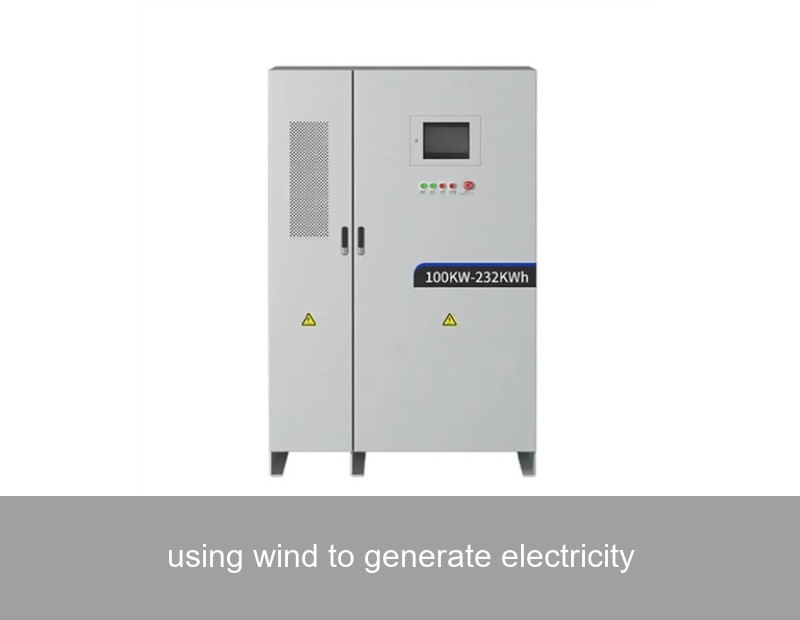
These events highlight a critical insight: generation alone is not enough. The solution being rapidly deployed? Grid-scale battery energy storage systems (BESS). A project in West Texas, for instance, paired a 100 MW wind farm with a 30 MW / 60 MWh battery storage system. This system stores cheap, abundant wind power produced at night and discharges it during the late afternoon peak demand period. The result: improved grid reliability, reduced curtailment, and increased revenue for the wind farm operator by selling power when prices are highest. This is the model for the future.

Image Source: Unsplash - A battery energy storage system, the crucial partner to wind farms for grid stability.
The Highjoule Role: Making Wind Power Predictable and Profitable
This is where Highjoule's expertise becomes indispensable. As a leader in advanced energy storage since 2005, we don't just provide batteries; we provide intelligent, integrated solutions that transform wind from an intermittent source into a firm, dispatchable asset. For wind farm developers, utilities, and commercial energy users, our systems bridge the gap between generation and consumption.
Our HiveStack Commercial & Industrial (C&I) Energy Storage System is a prime example. It can be seamlessly coupled with on-site or nearby wind generation (or solar PV) to:
- Maximize Self-Consumption: Store excess wind power for use during calm periods, drastically reducing reliance on the volatile grid.
- Provide Peak Shaving: Discharge stored energy during expensive peak tariff hours, delivering immediate cost savings on energy bills.
- Enhance Grid Services: For larger wind farms, our utility-scale GridMax BESS can provide frequency regulation, voltage support, and capacity firming, making the entire grid more resilient.
Our technology is built on a deep understanding of power electronics and system integration, ensuring safety, efficiency, and a long operational life—critical for maximizing the return on investment in wind energy projects.
Future Horizons: What's Next for Wind Energy?
The future of using wind to generate electricity is incredibly promising. Turbines are growing larger and more efficient, especially in the booming offshore sector. The U.S. Department of Energy's 2023 Offshore Wind Market Report highlights massive projected growth. Furthermore, technologies like green hydrogen production, using excess wind power to electrolyze water, present a long-duration storage pathway.
However, the immediate and most impactful evolution is the inevitable pairing of wind with advanced storage. It’s no longer a question of "if," but "how much and how soon." The synergy between a wind turbine and a smart battery system creates a virtual power plant that is greater than the sum of its parts—reliable, sustainable, and economically superior.
A Thought for Project Developers
As you plan your next wind project, whether a community-scale turbine or a vast offshore array, are you evaluating it as a standalone generation asset, or as the core of a flexible, revenue-maximizing power plant that includes storage? The difference in long-term viability is substantial.
What specific grid challenge or revenue stream in your market could be solved by making your wind power dispatchable 24/7?
 Inquiry
 Online Chat