


Understanding the Different Types of Solar Panel System for Your Energy Independence
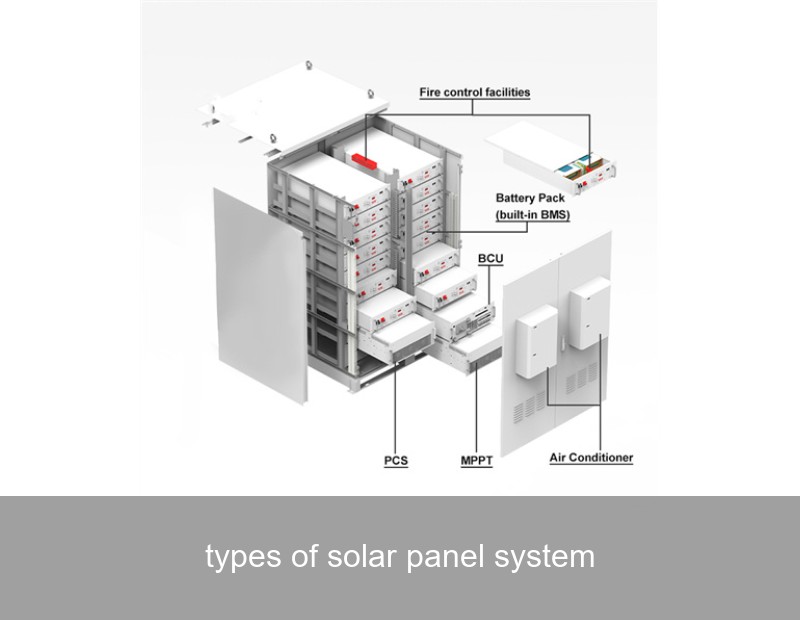
As electricity prices remain volatile and the desire for clean energy grows, more homeowners and businesses across Europe and the US are looking skyward for a solution. Solar power has moved from a niche alternative to a mainstream energy source. But if you've started researching, you've likely encountered a crucial question: what are the different types of solar panel system available, and which one is right for my needs? The choice isn't just about panels on your roof; it's about the entire system's architecture that captures, converts, manages, and stores sunlight. This guide will demystify the three primary system types, helping you make an informed decision on your path to energy independence.
Table of Contents
Grid-Tied Solar Systems: The Common Choice
This is the most prevalent type of solar panel system installed in urban and suburban areas. As the name implies, it's directly connected to the public electricity grid. Here's how it works: your solar panels generate DC (direct current) electricity, an inverter converts it to AC (alternating current) for your home's use, and any excess power you don't use instantly is fed back into the grid.
The Phenomenon: You're at work on a sunny day, and your panels are producing more power than your empty house needs.
The Data & Mechanism: Through a process called net metering (or feed-in tariff in some European countries), your utility meter essentially runs backwards, crediting your account for that exported energy. At night or during cloudy periods, you draw power from the grid, using up those credits. According to the Solar Energy Industries Association (SEIA), net metering policies have been a primary driver of solar adoption in the US.
Pros and Cons of Grid-Tied Systems
| Advantages | Considerations |
|---|---|
| Lower upfront cost (no batteries required) | No power during a grid outage (for safety reasons) |
| Simple design and maintenance | Dependent on grid policies and net metering rates |
| Effectively uses the grid as a "virtual battery" | Does not provide full energy independence |
Hybrid Solar Systems (With Battery Storage): The Best of Both Worlds
Imagine a grid-tied system, but with a crucial upgrade: a battery storage unit. This is the hybrid solar system, and it's rapidly becoming the gold standard for new installations, especially in regions prone to power outages or with less favorable net metering rates.
The Phenomenon: A storm knocks out neighborhood power, but your lights, refrigerator, and Wi-Fi stay on.
The Data & Mechanism: Hybrid systems intelligently manage energy flow between your solar panels, your battery bank, your home, and the grid. During the day, solar power prioritizes charging your battery and powering your home; excess still goes to the grid. At night, you draw from your batteries first, only using grid power as a last resort. This maximizes self-consumption of your solar energy. For example, Highjoule's HPS Series Hybrid Power Systems are designed for this exact scenario. They integrate advanced lithium-ion batteries with a sophisticated hybrid inverter and energy management system, allowing homeowners to seamlessly switch between power sources and achieve up to 80-90% energy self-sufficiency without sacrificing grid backup.

Image Source: Unsplash - A modern home energy setup with solar and storage.
Off-Grid Solar Systems: Complete Energy Independence
This type of solar panel system has no physical connection to the utility grid whatsoever. It's a self-contained power station for remote cabins, rural farms, or anyone seeking total autonomy from utility companies.
The Phenomenon: Living comfortably in a remote mountain home, entirely powered by the sun.
The Data & Mechanism: Off-grid systems require significant battery storage to cover multiple days of low sunlight (often called "days of autonomy") and a backup generator for extended bad weather. Sizing is critical—an undersized system can leave you without power. Components include solar panels, a charge controller, a large battery bank, and an inverter. Highjoule serves this market with robust, scalable off-grid and microgrid solutions, often used in agricultural, industrial, and remote community applications. These systems are engineered for reliability and durability, ensuring critical operations continue regardless of location.
Key Components Across All System Types
Regardless of the system type you choose, several core components work together:
- Solar Panels (PV Modules): Capture sunlight and convert it to DC electricity. Monocrystalline panels are known for higher efficiency in limited spaces.
- Inverter: The brain of the system. Converts DC from panels into usable AC. Hybrid inverters also manage battery charging/discharging.
- Battery Storage (for Hybrid/Off-Grid): Stores excess solar energy. Highjoule utilizes LFP (Lithium Iron Phosphate) battery technology in its residential and commercial systems, known for superior safety, longevity (often over 6000 cycles), and stable performance.
- Mounting & Racking: Secures panels to your roof or ground.
- Monitoring System: Allows you to track energy production, consumption, and battery status in real-time via a smartphone app.
Real-World Impact: A Case Study from California
Let's look at a real example to see how the choice of system type plays out. A medium-sized winery in Sonoma County, California, faced two major issues: high operational energy costs and frequent, disruptive public safety power shutoffs (PSPS) during wildfire season.
The Challenge: Protect refrigeration and critical processing equipment from multiday grid outages while reducing peak demand charges.
The Solution: They installed a commercial-scale hybrid solar system. The system included a 250 kW solar array coupled with a 500 kWh Highjoule C&I Battery Energy Storage System (BESS).
- Energy Cost Reduction: The system reduced their grid electricity consumption by 70% annually.
- Outage Protection: Provided seamless backup power for critical loads for over 72 hours during grid outages.
- Demand Charge Management: The battery's intelligent dispatch reduced peak demand charges by approximately 40%, a significant monthly saving.
- Sustainability: Achieved a major stride towards their carbon-neutral production goal.
This case illustrates how moving beyond a simple grid-tied system to a hybrid solution addressed both economic and resilience challenges.

Image Source: Unsplash - Solar panels in an agricultural setting like a vineyard.
How to Choose the Right System for You
So, which of the types of solar panel system aligns with your goals? Ask yourself these key questions:
- What is my primary motivation? (Bill savings, backup power, environmental impact, total independence).
- How reliable is my grid? Frequent outages strongly point towards a hybrid system.
- What are my local net metering or feed-in-tariff policies? Less generous credits make battery storage more attractive. The U.S. Department of Energy's guide is a useful resource.
- What is my budget? While hybrid systems have a higher initial cost, they offer greater value in resilience and long-term savings potential.
Partnering with an experienced provider like Highjoule is crucial. Since 2005, we've designed and deployed thousands of intelligent storage systems globally. Our experts don't just sell equipment; we analyze your energy profile, local climate, and goals to design a system that delivers optimal performance and return on investment for decades.
Ready to Define Your Energy Future?
The landscape of solar energy is no longer one-size-fits-all. Whether you're drawn to the simplicity of grid-tied, the resilience of hybrid, or the independence of off-grid, the right technology exists today. With advanced solutions like those from Highjoule, you can tailor a system that not only saves money but also empowers you with control and security. What would energy resilience mean for your home or business during the next major storm or grid event?
 Inquiry
 Online Chat