


Finding the Best Battery for Home Use: Your Guide to Energy Independence
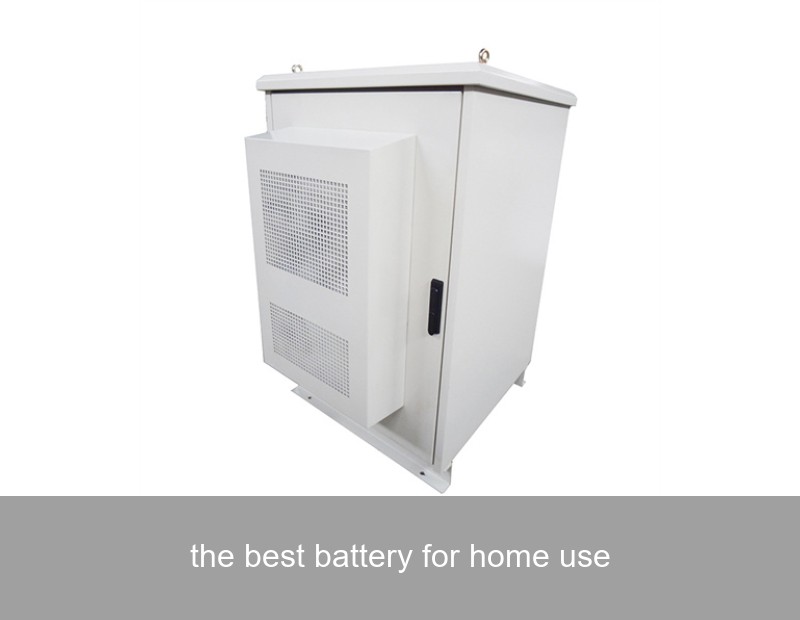
You're probably here because you've heard about home battery storage. Maybe you have solar panels and want to maximize your investment. Perhaps you're tired of worrying about blackouts or skyrocketing electricity bills. The promise is compelling: storing clean energy to power your home, day and night. But with so many options, how do you identify the best battery for home use for your specific needs? It's not just about picking the one with the biggest capacity. The best system seamlessly integrates into your life, providing reliability, savings, and peace of mind. As a leader in advanced energy storage since 2005, Highjoule understands that the "best" battery is the one you forget is there—until you need it most.
Phenomenon: The Energy-Hungry Smart Home Meets an Unstable Grid
Our homes are smarter and more power-dependent than ever. From EVs charging in the garage to always-on home offices and essential medical devices, a reliable power supply is non-negotiable. Simultaneously, climate change is increasing the frequency and severity of extreme weather events, putting immense strain on aging grid infrastructure in both Europe and the United States. This collision creates a modern dilemma: we need more electricity than ever, but the grid delivering it is becoming less predictable. This vulnerability is pushing homeowners to seek control over their personal energy supply, moving from passive consumers to proactive "prosumers."

Image Source: Unsplash - A modern home integrating solar and electric transport.
Data: The Sobering Reality of Power Outages and Rising Costs
Let's talk numbers, because they tell a powerful story. According to the U.S. Energy Information Administration (EIA), the average U.S. customer experienced just over eight hours of electricity interruptions in 2020. For many, especially those in regions prone to wildfires or storms, outages last much longer. Financially, the cost is twofold. First, volatile fossil fuel markets have led to dramatic spikes in electricity prices across Europe and parts of the US. Second, the financial impact of a single prolonged outage—from spoiled food to lost work—can be significant. A home battery system acts as a financial and operational buffer against these twin threats.
Home Energy Storage: A Growing Trend
| Driver for Adoption | Homeowner Benefit | System Requirement |
|---|---|---|
| Backup Power during Outages | Uninterrupted power for essentials (fridge, lights, comms). | High power output (kW), seamless switchover. |
| Maximizing Solar Self-Consumption | Use more of your solar energy, reduce grid dependence. | High usable capacity (kWh), efficient cycling. |
| Time-of-Use Bill Management | Store energy when cheap, use it when rates are high. | Smart software, high round-trip efficiency. |
| Grid Services & Incentives | Potential revenue or credits for supporting grid stability. | Grid-interactive, utility-approved technology. |
Case Study: The Johnson Residence - From Anxiety to Energy Independence
Let's make this real. The Johnson family in California had solar panels but faced a common problem: their system produced excess energy at noon that was sold to the grid at a low rate, while they bought expensive power back in the evening. They also feared seasonal Public Safety Power Shutoffs (PSPS). Their goal was true energy self-reliance.
In 2023, they installed a Highjoule Horizon Home system, featuring a 15 kWh lithium iron phosphate (LFP) battery and our intelligent Energy Hub inverter. The results after one year:
- Energy Self-Sufficiency: Increased from 40% to 85% on average.
- Bill Savings: Reduced their monthly electricity cost by 94%, effectively eliminating their demand charges.
- Backup Performance: During a planned 36-hour grid outage, the system automatically switched to backup mode, powering critical loads (refrigeration, lighting, internet, and a home office) without interruption. The battery state of charge never dropped below 40%.
- Peace of Mind: The family now views power outages as a minor inconvenience rather than a crisis.
This case highlights that the best battery for home use isn't just hardware; it's an intelligent system that optimizes for multiple outcomes simultaneously.
Key Considerations for Choosing Your Home Battery
So, based on the Johnson's experience and broader industry knowledge, what should you look for? Here's your checklist:
- Chemistry & Safety: Lithium Iron Phosphate (LFP) is now the preferred chemistry for home storage due to its longer lifespan, superior thermal stability, and absence of cobalt. It's a safer, more durable choice.
- Usable Capacity vs. Nameplate: Always ask about the usable energy (in kWh). Some batteries list a total capacity but keep a portion in reserve, effectively reducing what you can access.
- Power Rating: Can the battery deliver enough power (in kW) to start your appliances, like an air conditioner or well pump? This is critical for whole-home backup.
- Round-Trip Efficiency: This measures how much energy you get out versus what you put in. A 90%+ efficiency rating means you lose very little energy in the storage process.
- Software & Intelligence: The brain of the system. Can it learn your usage patterns? Integrate with local utility rates? Prioritize solar charging? This is where true value is created.
- Scalability & Warranty: Can you add more batteries later? Does the warranty guarantee both performance (throughput) and capacity retention over 10+ years?
The Highjoule Difference: Intelligent Storage Built for Modern Life
At Highjoule, we've spent nearly two decades refining our technology for global markets. We believe the best battery for home use is part of a holistic energy management system. Our Horizon Home product line embodies this philosophy.
Our systems are built on LFP chemistry for maximum safety and longevity, featuring a compact, aesthetic design for easy installation. But where we truly excel is in our Adaptive Energy OS. This proprietary software platform turns a simple battery into an intelligent home energy manager. It continuously analyzes weather forecasts, your historical consumption, real-time grid conditions, and utility tariff structures to make optimal decisions: when to store solar energy, when to draw from the grid, and when to dispatch power to your home.

Image Source: Unsplash - A modern, wall-mounted home battery unit.
For homeowners with more complex needs, such as large properties, multi-family units, or small businesses, our Highjoule C&I Microgrid solutions offer scalable, three-phase power. Whether it's a single-family home or a community microgrid, our systems are designed to provide resilience and savings.
Why Highjoule Stands Out
- Proven Grid Integration: Our systems are certified and deployed across thousands of installations in Europe and North America, meeting strict grid codes.
- Open Platform Philosophy: We design for compatibility, ensuring our storage works seamlessly with a wide range of solar inverters and smart home ecosystems.
- Full-Service Support: From initial design by our technical experts through installation and lifelong monitoring via our customer portal, we provide a complete partnership.
The Future of Home Energy is Integrated and Intelligent
The journey toward a resilient, low-carbon home is accelerating. The next frontier is the full integration of solar, storage, electric vehicle charging, and smart appliances into a single, coordinated ecosystem. Imagine your EV battery acting as a backup for your home during a peak price event, or your system automatically selling excess power back to the grid when it's most valuable to the community. This isn't science fiction; it's the direction of the smart grid. The best battery for home use today is one that is future-ready, with software that can be updated to participate in these new value streams. A great resource to understand this evolving landscape is the Solar Energy Industries Association's energy storage portal.
So, as you consider taking control of your energy future, we leave you with this question: What does true energy security look like for your home, and what's the first step you'll take to build it?
 Inquiry
 Online Chat