


Tata Company Solar Panel Initiatives: A Blueprint for Corporate Energy Transformation
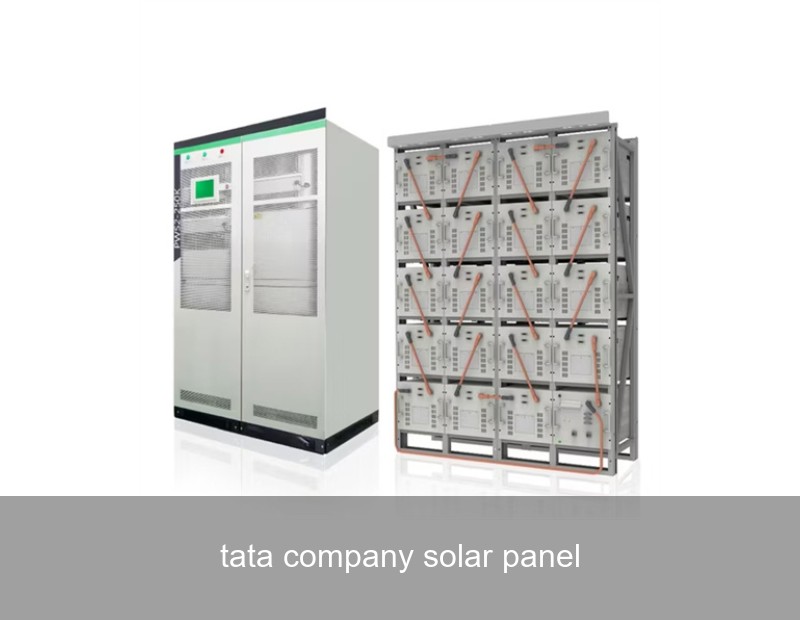
When a global industrial giant like the Tata Group commits to solar energy, the world takes notice. It's not just about installing Tata company solar panels on a factory roof; it's a powerful statement about the future of corporate sustainability and energy resilience. Across Europe and the U.S., forward-thinking businesses are watching this transition closely, recognizing that their own energy strategies need a fundamental upgrade. The move from traditional grid dependence to a self-sufficient, clean energy model is no longer a niche ideal—it's a commercial imperative. But as many are discovering, simply installing solar panels is only half the journey. The true transformation happens when you can capture, store, and intelligently manage every kilowatt-hour you generate.
The Challenge: Ambition Meets Grid Reality
The initial appeal of solar is clear: reduce carbon footprint and cut electricity bills. However, the inherent intermittency of solar power creates a significant operational gap. Your panels produce the most energy in the middle of the day, but your facilities may have peak demand in the early morning or evening. Without a solution, you're forced to sell excess power back to the grid at low rates, only to buy it back at a premium when the sun isn't shining. This dynamic limits your return on investment and keeps you tethered to grid volatility. According to the International Renewable Energy Agency (IRENA), maximizing the value of renewable assets requires flexible storage solutions to decouple generation from consumption.

Image: Large-scale commercial solar installations, like those deployed by major corporations, require intelligent management to maximize value. (Source: Unsplash)
The Solution: Beyond the Panel - The Power of Intelligent Storage
This is where the narrative shifts from simple solar adoption to comprehensive energy intelligence. The most successful corporate programs, like those pioneered by Tata, integrate advanced Battery Energy Storage Systems (BESS) with their solar arrays. Think of BESS as the high-capacity "buffer" for your solar power plant. It stores surplus daytime energy and releases it precisely when needed, enabling:
- Peak Shaving: Avoid costly demand charges by using stored energy during grid peak periods.
- Energy Arbitrage: Buy grid electricity when it's cheap, store it, and use it when prices are high.
- Backup Power: Maintain critical operations during grid outages, ensuring business continuity.
- Grid Services: In some markets, you can even provide stability services to the local utility, creating a new revenue stream.
Case Study: A Global Blueprint from Tata's UK Operations
Let's examine a tangible example that resonates with the European market. Tata Steel's efforts in the UK provide a compelling case study in scaling solar for industrial use. While specific megawatt figures for every Tata site are proprietary, industry analysis and reports highlight the scale and logic of their approach.
One of Tata's key strategies involves deploying large-scale solar farms alongside their manufacturing facilities. For instance, the company has explored and developed solar projects capable of generating tens of megawatts of power—enough to supply a significant portion of a plant's daytime operational needs. The real innovation, however, lies in the integration strategy. To combat the intermittent nature of solar and the continuous demand of steel production, such initiatives are increasingly paired with storage solutions. This allows the facility to time-shift solar energy to match round-the-clock production schedules and provide a buffer against the UK's grid constraints.
A report by the Energy Institute underscores that industrial decarbonization relies on "firm, dispatchable clean power," a combination that solar-plus-storage uniquely provides. For a company like Tata, this isn't just about green credentials; it's about securing long-term, predictable energy costs in a volatile market—a concern every major industrial player in Europe and the U.S. shares.
| Challenge | Solar-Only Approach | Solar + Highjoule BESS |
|---|---|---|
| Evening/Peak Demand | Reliance on expensive grid power | Powered by stored daytime solar energy |
| Grid Outage | Production halts | Critical loads remain powered; minimal disruption |
| Return on Investment (ROI) | Limited by solar hours | Maximized via 24/7 utilization and peak shaving |
| Energy Cost Predictability | Low for solar hours only | High, with reduced exposure to spot market prices |
Why This Matters for Your Business
The journey of the Tata company solar panel strategy offers more than inspiration; it provides a viable roadmap. Whether you're a manufacturing plant in Germany, a data center in Virginia, or a commercial campus in California, the principles are the same. Energy is moving from a mere utility cost to a core strategic asset. By investing in an integrated solar and storage system, you're not just installing hardware—you're building an intelligent energy ecosystem that delivers:
- Financial Resilience: Lock in lower energy costs for decades, insulating your business from price spikes.
- Operational Resilience: Ensure uninterrupted power for your most critical processes.
- Sustainability Leadership: Meet and exceed ESG goals with verifiable, round-the-clock clean energy usage.

Image: Intelligent control systems are the brain of a modern BESS, optimizing energy flow for cost and efficiency. (Source: Unsplash)
How Highjoule Empowers This Transformation
At Highjoule, we've been at the forefront of this energy shift since 2005. We understand that a successful transition requires more than just components; it requires a tailored, intelligent system. Our role is to be the technology partner that bridges the gap between your solar ambition and tangible, daily results.
For businesses looking to emulate the integrated success of leaders like Tata, Highjoule provides commercial and industrial-scale BESS solutions that are engineered for reliability and intelligence. Our containerized and modular systems seamlessly integrate with new or existing solar PV installations. What sets us apart is our proprietary energy management software—the brain of the system. It continuously analyzes energy generation, consumption patterns, weather forecasts, and utility rate schedules to make autonomous, millisecond decisions on when to store and when to discharge energy, ensuring every decision maximizes your financial and operational returns.
From initial consultancy and system design to long-term performance monitoring, Highjoule provides an end-to-end partnership. We help you navigate incentives like the U.S. Investment Tax Credit (ITC) or European Union funding mechanisms, ensuring your project, much like the strategic Tata company solar panel deployments, is built on a foundation of both environmental and economic sense.
Your Next Step Towards Energy Independence
The path demonstrated by global corporations is clear. The question is no longer *if* you should integrate storage with your solar strategy, but *how* and *when*. What would a 40% reduction in your peak demand charges do for your annual operating budget? How would guaranteed backup power for your critical infrastructure transform your risk profile? The convergence of ambitious sustainability targets and pragmatic economics has never been stronger.
Is your organization ready to move beyond simple solar generation and start building your own intelligent, resilient energy ecosystem?
 Inquiry
 Online Chat