


Finding the Right Partner: Your Guide to a Trusted Supplier of SPG Systems
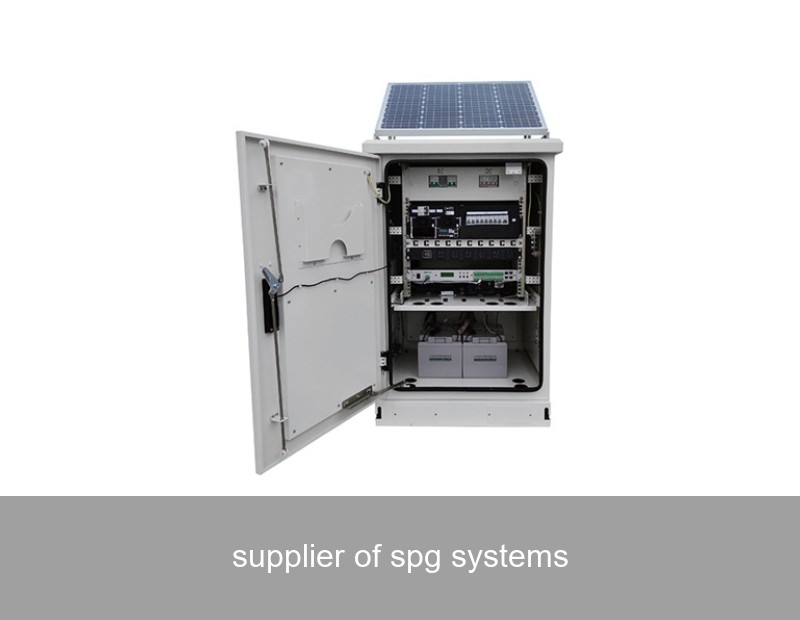
Imagine this: a sudden grid outage halts your factory's production line. Every minute of downtime costs thousands. Or, a critical data center's backup generators roar to life, but their integration with your solar array is clunky, wasting precious renewable energy. These aren't just hypotheticals; they're real challenges facing businesses and communities today. The solution lies not just in having backup power, but in having a smart, integrated, and sustainable power generation (SPG) system. And the linchpin to its success? Choosing the right supplier of SPG systems. This isn't a simple equipment purchase; it's forming a strategic partnership for energy resilience and intelligence.
What is an SPG System? More Than Just a Generator
Let's clear up a common misconception. An SPG (Sustainable Power Generation) system is far more than a traditional diesel generator sitting on a concrete pad. Think of it as the central nervous system for your site's power. A modern SPG system is an integrated solution that harmonizes multiple energy sources—like solar PV, battery storage, and yes, sometimes backup generators—into a single, intelligent network. Its primary job is to ensure uninterrupted, high-quality, and increasingly clean power, whether you're connected to the main grid or operating independently in a microgrid.
The global drive for decarbonization and energy security is fueling this shift. According to the International Energy Agency (IEA), renewables are set to contribute 80% of new power capacity to 2030 under current policies. This rapid integration of variable sources like solar and wind makes the grid's stability a growing concern. An intelligent SPG system acts as a buffer and a manager, smoothing out these fluctuations and providing critical grid-support services.

Image Source: Unsplash - A modern facility utilizing integrated solar and storage, core components of an SPG system.
The Critical Role of Your SPG System Supplier
Why is the choice of supplier of SPG systems so decisive? Because the complexity is in the integration. You're not just buying boxes; you're buying an outcome: guaranteed uptime, reduced energy costs, and a lower carbon footprint. A top-tier supplier brings three essential elements to the table:
- Holistic Design Expertise: They assess your entire energy profile—load patterns, existing assets, renewable potential, and financial goals—to design a system where 1+1 equals 3.
- Technology Agnosticism (with Curated Quality): The best suppliers are not tied to a single battery or inverter brand. Instead, they select best-in-class components that are proven to work seamlessly together, like a master chef selecting premium ingredients.
- Lifecycle Partnership: Their role extends far beyond installation. They provide remote monitoring, predictive maintenance, software updates, and performance guarantees, ensuring your system evolves and delivers value for decades.
Key Components of a Modern SPG System
Understanding the pieces of the puzzle helps you evaluate a supplier's proposal more effectively. A comprehensive SPG solution typically includes:
| Component | Primary Function | Why It Matters |
|---|---|---|
| Energy Storage (BESS) | Stores electricity from the grid or on-site generation for later use. | Enables time-shifting of solar energy, provides instant backup power, and stabilizes frequency. |
| Advanced Inverter/Converter | Converts DC power (from batteries, solar) to AC power (for your facility) and vice-versa. | The "brain" of power conversion; high-efficiency models minimize energy loss. |
| Energy Management System (EMS) | Software platform that controls and optimizes all energy flows in real-time. | Makes autonomous decisions to minimize cost and maximize resilience based on weather, tariffs, and demand. |
| Generation Assets | Solar PV arrays, wind turbines, or backup generators. | Provides primary or supplementary power, reducing reliance on the grid and fossil fuels. |
| Grid Interface & Protection | Switchgear, transformers, and protective relays. | Safely connects and disconnects from the main grid, protecting both your system and utility workers. |
A Real-World Case: Stabilizing a German Manufacturing Plant
Let's look at a concrete example from our work at Highjoule. A mid-sized automotive parts manufacturer in Bavaria faced two issues: volatile energy costs and concerns over power quality affecting sensitive robotic machinery. They had a rooftop solar array, but its output was often exported to the grid at low prices, missing the opportunity for self-consumption.
Highjoule, as their chosen supplier of SPG systems, designed and deployed a turnkey solution:
- A 500 kWh containerized lithium-ion battery energy storage system (BESS).
- An advanced, bi-directional inverter system compatible with their existing solar setup.
- Our proprietary Highjoule Horizon EMS, configured to prioritize self-consumption of solar, participate in a regional grid-balancing program (aFRR), and provide seamless backup power for critical loads.
The results after 12 months were compelling:
- Energy Cost Reduction: 34% decrease in net electricity costs through optimized arbitrage and increased solar self-consumption.
- New Revenue Stream: Earned approximately €28,000 annually by providing automatic frequency restoration reserve (aFRR) services to the German TSO.
- Reliability: The system successfully mitigated 4 minor grid sags, preventing potential production halts estimated to cost over €15,000 per incident.
This case illustrates how the right supplier transforms energy infrastructure from a cost center into a resilient, profitable asset. Data on grid service markets can be explored via the European Network of Transmission System Operators (ENTSO-E).

Image Source: Unsplash - Expert monitoring ensures SPG systems perform optimally.
How to Choose the Right Supplier of SPG Systems
Selecting your partner is a strategic process. Here are key questions to ask any potential supplier of SPG systems:
- Can you provide detailed, site-specific modeling of financial and technical performance? (Beware of generic promises.)
- What is your approach to system control and software? Is it an open, updatable platform or a proprietary black box?
- What are your long-term service and maintenance offerings? Do you offer performance-based guarantees?
- Can you show us case studies or references from projects with similar scope and challenges? (Like the German example above.)
- How do you ensure cybersecurity for the connected energy management system?
The Highjoule Approach: Intelligent, Integrated SPG Solutions
At Highjoule, our philosophy as a global supplier of SPG systems is built on integration and intelligence. We don't just sell components; we deliver a guaranteed outcome. For our commercial and industrial clients across Europe and North America, this means:
- The Highjoule Horizon EMS: Our cloud-based platform is the core of every installation. It uses AI-driven forecasting (of weather, energy prices, and load) to make real-time decisions that optimize for cost, carbon, and resilience.
- Modular, Scalable Architecture: Whether you start with a 100 kWh battery or a 10 MWh system, our designs are inherently scalable. You can add more storage, solar, or even electric vehicle charging integration as your needs evolve.
- Full Lifecycle Support: From initial feasibility studies and financing assistance to 24/7 remote monitoring and preventative maintenance, our team is your energy partner for the long haul. We stand behind our systems with comprehensive warranties and performance guarantees.
Our solutions are tailored for diverse applications, from ensuring a hospital's life-saving equipment never falters, to enabling a remote community microgrid to run on 90% renewable energy, to helping a large warehouse chain slash its demand charges and carbon emissions.
Ready to Transform Your Energy Profile?
The journey to true energy resilience and sustainability begins with a conversation. What is the single biggest energy challenge—be it cost, reliability, or sustainability goals—that keeps you or your operations manager awake at night? Identifying that precise pain point is the first step toward designing an SPG system that doesn't just meet specifications, but transforms your operational and financial landscape.
 Inquiry
 Online Chat